




Top-rated land clearing pros.

Get matched with top land clearing pros in Ridge Spring, SC

Enter your zip and get matched with up to 5 pros

Need a pro for your land clearing project in Ridge Spring, SC?

Select your specific project to find the pro for you.

TRUSTED BY RIDGE SPRING, SC HOMEOWNERS

  • Average homeowner rating star icon4.7
    Average homeowner rating
  • Verified reviews icon118
    Verified land clearing services reviews

Find Land clearing pros in Ridge Spring

Avatar for Palmetto Excavation Services, LLC
Palmetto Excavation Services, LLC
5.0(
2
)
Building Site - Preparation and Clearing

Serving Ridge Spring, SC and surrounding areas

Approved

In business since 2024

Free estimates

Credit card accepted

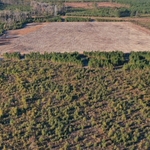
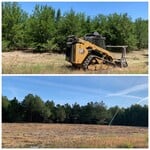
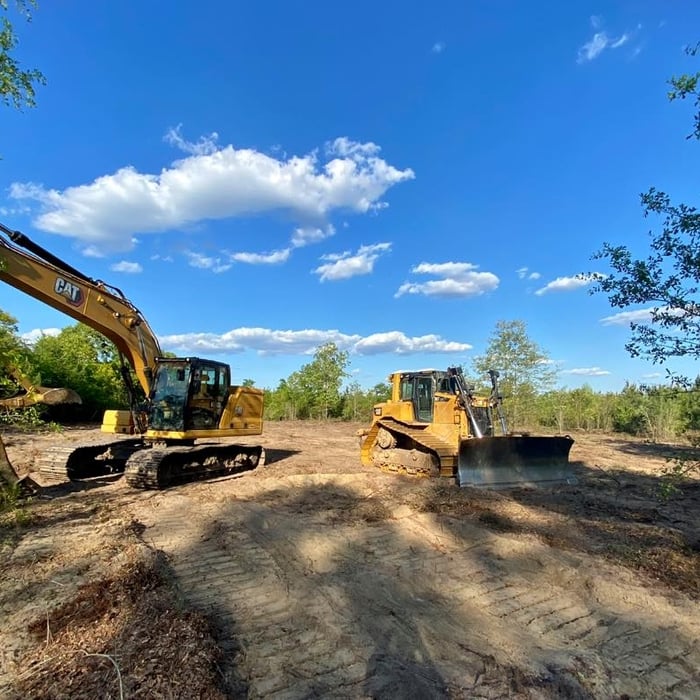
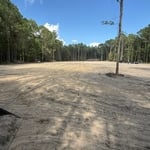
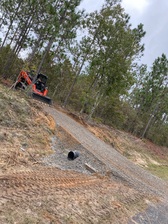
"This company has excavators and skidsteers and cleared my property very efficiently and did a heck of a job. I had a few acres of trees cleared some being populars, oaks and pines. Would highly recommend chase and his crew"
Response time7 hrs
Response rate98%
Avatar for All South Land Company
All South Land Company
4.3(
12
)
Building Site - Preparation and Clearing

Serving Ridge Spring, SC and surrounding areas

In business since 2014

Free estimates

Emergency services offered

"Mr Metze and employee Roman were very professional, courteous, and honest. He promised he would send representative today and he kept his word. Very dependable. Thank you very much"
Remodel
Church Ceiling
Siding Replacement
Excavating Project
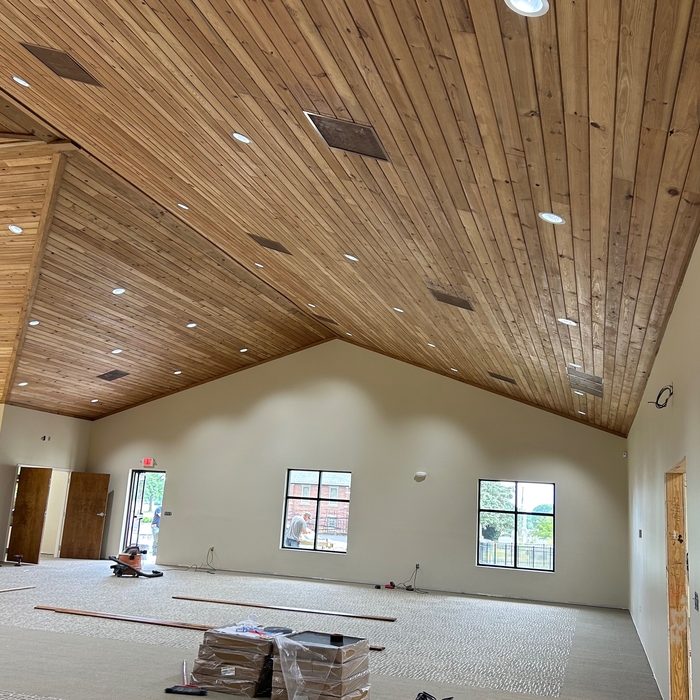
Church Ceiling

+9

Response time3 days
Response rate100%
Recommended by90%of homeowners
...
Showing 1-10 of 55
Land Clearing Services questions, answered by experts

The small lines on the tape measure either indicate inches, fractions of an inch, or centimeters and millimeters. On the imperial unit side (aka the inches side), the longest lines indicate inches, followed by the next shortest lines that indicate a half-inch, and then the quarter, eighth, and sixteenth-inch. On the metric side, the lines break down meters, centimeters, and millimeters.

You can’t build on undeveloped land without preparing it for construction, which involves running utilities to the site or accounting for private utilities like wells and septic systems and grading and compacting the soil for safe construction. Once you prepare the land, you can build on it as long as the project abides by local zoning regulations.

There are a couple of ways you can determine the depth of your well. One method is to use a device called a well sounder. This tool has a long measuring tape containing a sensor to alert you once the end reaches the water. 

Or you can DIY it by using a long tape measure with a half-filled bottle of water attached to it. Lower the tape measure into your well. Once you feel tension on the tape, you’ll know the bottle has reached your static water level. This will give you an approximate idea of your well’s depth.

If you’re planning to dig on your property, you’ll need to check for underground utility lines. Call the national call-before-you-dig 811 number. Once connected to an operator, you can schedule a site visit to mark underground lines. This way, you won’t accidentally dig into pipes and can cause major (read: costly) issues.

You should always calculate real estate development costs on a case-by-case basis, so there’s no specific formula to estimate your total. You should speak with a local construction manager to see what you’ll need to do in terms of clearing and leveling the land, connecting utilities, and pulling permits for construction. A professional will be able to get you an accurate estimate for land development.

The Ridge Spring, SC homeowners’ guide to land clearing services

From average costs to expert advice, get all the answers you need to get your job done.