





Top-rated electricians.

Best electricians near Trio, SC

Enter your zip and get matched with up to 5 pros

Need a pro for your electrical service project in Trio, SC?

Select your specific project to find the pro for you.

Top-Rated Electricians in Trio - Updated Nov 2026

J&J pro installer
New to Angi
Appliance (Major Electric Appliance) - Install or Replace

Serving Trio, SC and surrounding areas

Approved

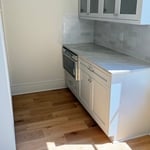
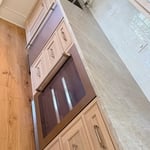
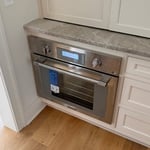
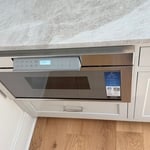
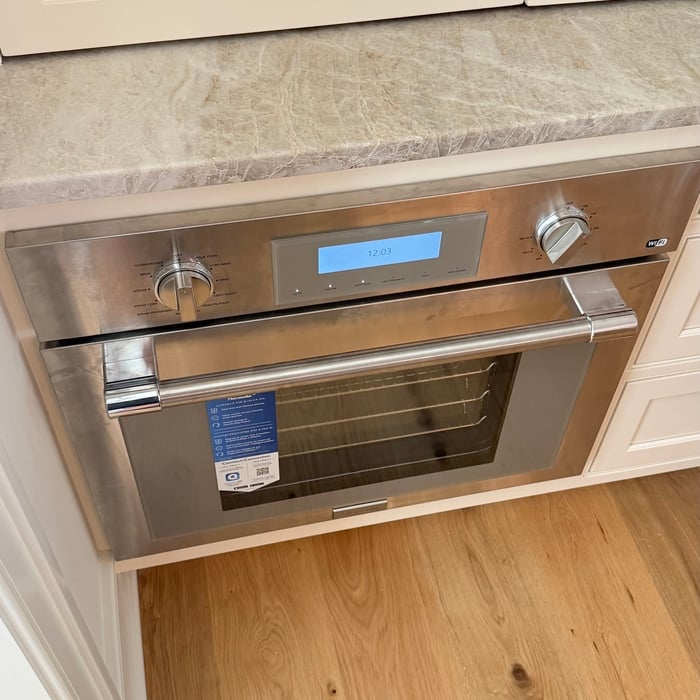
At J&j Pro Appliance Installer, we deliver a higher standard of appliance installation, combining precision craftsmanship with exceptional customer care. We specialize in the expert installation of premium residential appliances, ensuring every project is completed with meticulous attention to detail, safety, and manufacturer specifications. From luxury kitchen suites to everyday home essentials, our commitment to excellence guarantees a seamless installation experience and lasting performance. When you choose J&j Pro Appliance Installer, you’re choosing professionalism, reliability, and uncompromising quality from start to finish.

Kiawah island
Kiawah island
Kiawah island
Kiawah island
Kiawah island

+39

Avatar for Kenny's Corner
Kenny's Corner
New to Angi
Appliance (Major Electric Appliance) - Install or Replace

Serving Trio, SC and surrounding areas

Approved

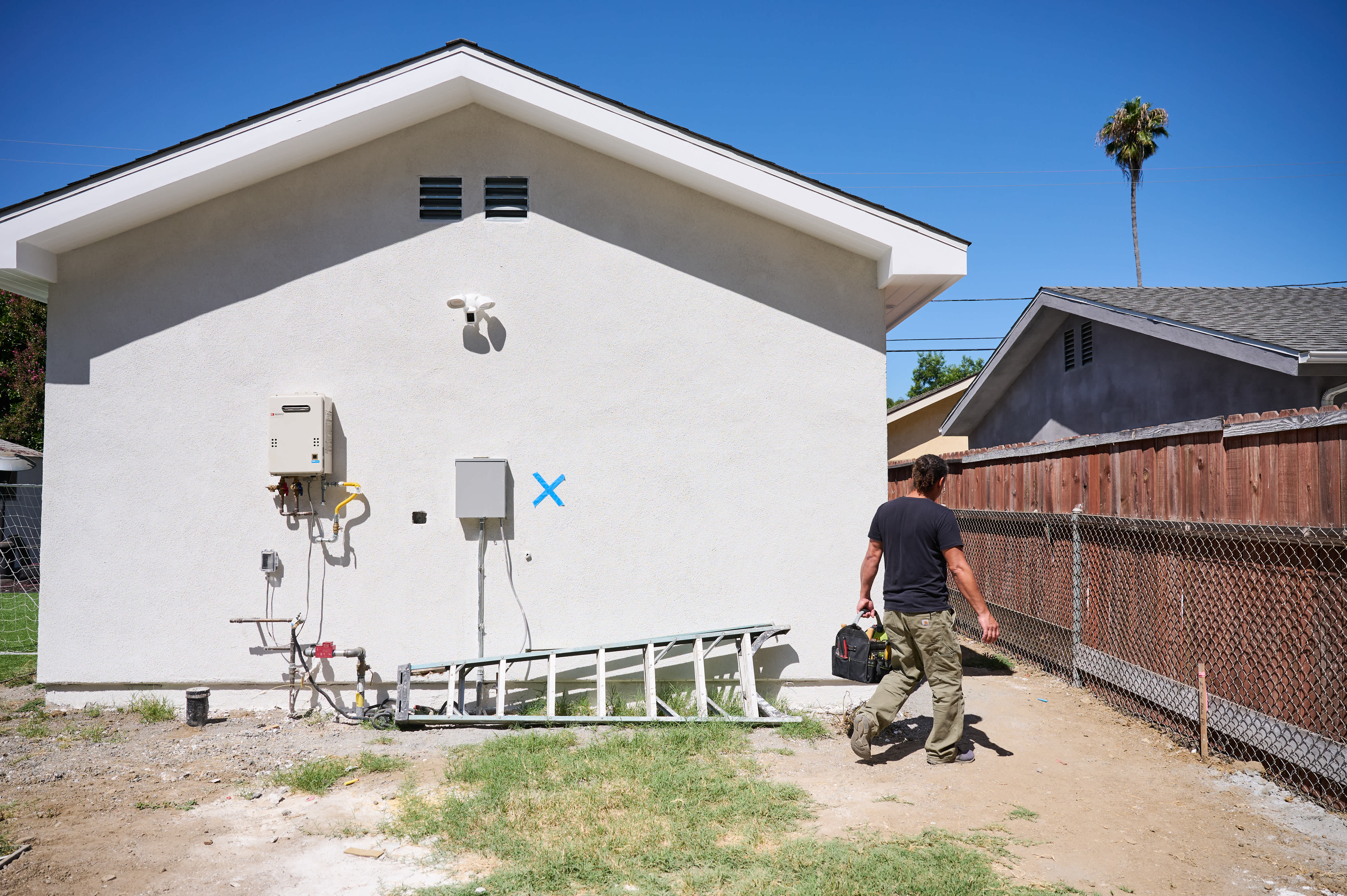
Hello, my name is Kenny and I take pride in providing reliable, high-quality service for every customer. I believe in doing the job right the first time and treating every home with the same care and respect as if it were my own.\nI’m dependable, detail-oriented, and focused on delivering honest work at fair prices. Whether it’s small repairs, maintenance, or improvement projects, my goal is always to make sure my customers are satisfied and confident in the work that’s done.\nVeteran-owned business committed to honest work, fair pricing, and dependable service

...
Showing 1-10 of 106
Electrical FAQs, answered by experts

No. Do not use a 14-gauge wire on a 20-amp outlet. A certified licensed electrician would know that the National Electrical Code (as per Section 240.4(D) subsection 3) requires 14-gauge wires to be used with a maximum amplitude of 15. Therefore, you should only use 12-gauge wires on 20-amp outlets.

Yes, hot tubs can use a significant amount of electricity, primarily to keep the water heated. A typical hot tub uses between 1,500 and 6,000 watts, and the pump can add another 1,500 watts. This usage can result in a monthly cost of around $20 to $30. The exact amount of electricity consumed depends on several factors, including the hot tub's age, size, heater voltage (120V vs. 240V), usage habits, and thermostat setting. Newer, energy-efficient models generally use less power than older ones. To reduce electricity costs, consider investing in an energy-efficient model, using a quality insulated cover with a thermal blanket, and keeping the filters clean.

There are a few signs of a faulty or failing dimmer switch. This includes your dimmer overheating or feeling warm to the touch, buzzing or clicking noises coming from the dimmer, your dimmer failing to properly dim the lights, and flickering lights. That said, these signs could signal other electrical issues. You’ll need a pro to figure out if your dimmer is the source.

For most applications, you won’t need a neutral for 240V. There are certain codes and regulations that differ between areas so just because you technically may not need one in order for the device to function properly, it may still be a local requirement. Professionals in your area know the requirements, which is just another reason to hire one instead of taking on a project that is frankly not very DIY-friendly.

If you need to run a wire from the meter to the breaker box, start by turning off the power using the main switch to avoid injury risks from live wires. Then, locate the ground wire from your meter and connect it to the ground bar of the breaker box. Connect the neutral wire using the same method to improve your circuit efficiency.

Next, locate the hot wires running from the main switch to the meter. To connect them to the correct terminals from meter to breaker, unscrew the nuts of the breaker hotwire terminals, insert the positive hotwire, and ensure it’s firmly attached. Finally, secure the wires with electrical tape and wire tie cables before re-securing your breaker box. Keep in mind that this process can be dangerous, so don’t hesitate to hire a local electrician.

The Trio, SC homeowners’ guide to electrical services

From average costs to expert advice, get all the answers you need to get your job done.