







Most building projects and septic installations require soil testing to ensure proper drainage. Learn how much a perc test costs and what affects costs.

 4.5
 1.1k+
*The Angi rating for Percolation Testing companies in Little River, SC is a rating based on verified reviews from our community of homeowners who have used these pros to meet their Percolation Testing needs.
*The HomeAdvisor rating for Percolation Testing companies in Little River, SC is a rating based on verified reviews from our community of homeowners who have used these pros to meet their Percolation Testing needs.
Last update on September 29, 2025
From average costs to expert advice, get all the answers you need to get your job done.
Most building projects and septic installations require soil testing to ensure proper drainage. Learn how much a perc test costs and what affects costs.
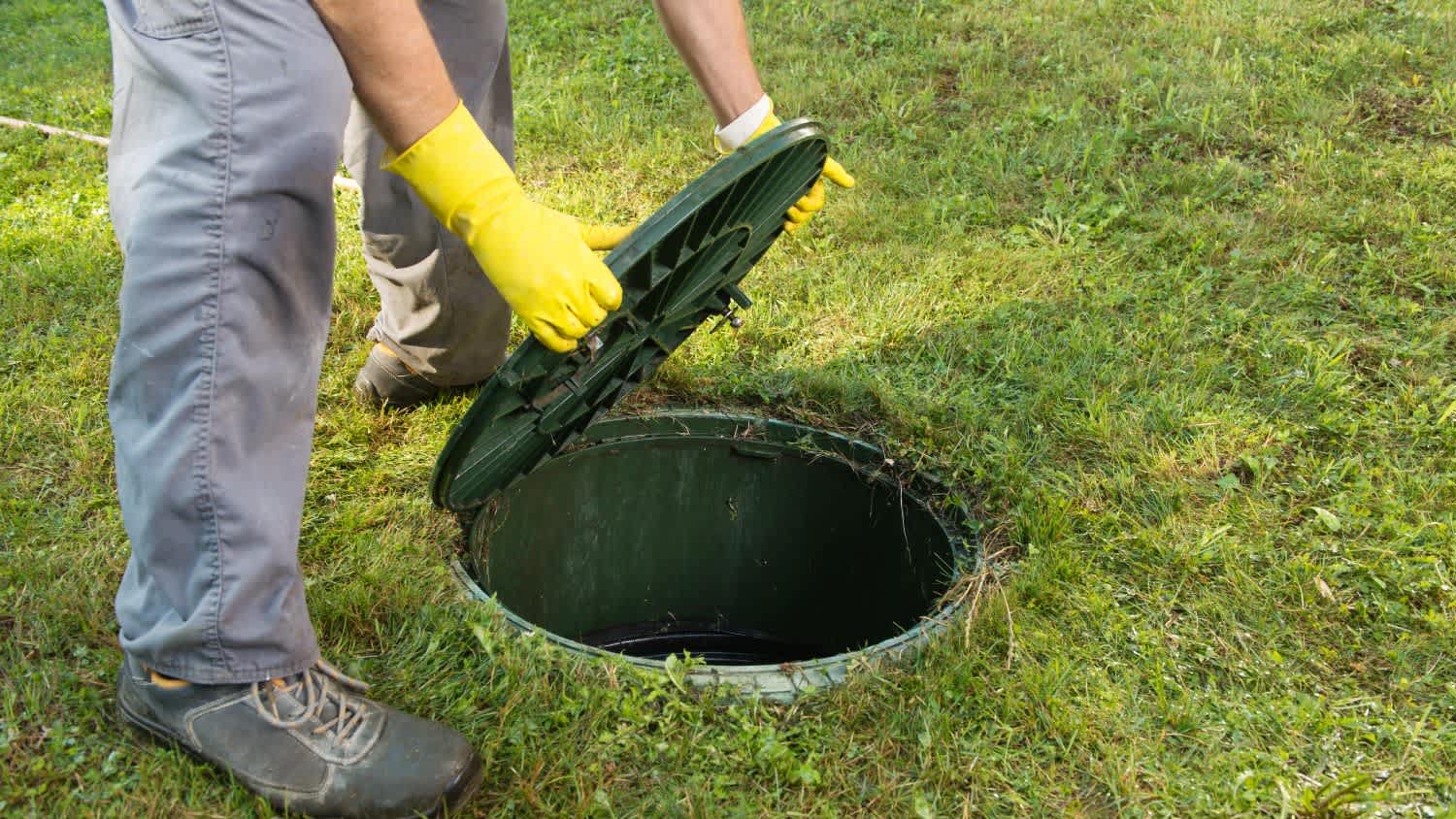
The cost of converting a cesspool to a septic system depends on factors like labor, complexity, and materials. Use our guide to estimate your budget.

Find out how much a soil test costs and what you get for your money with our expert guide. Know what to budget for different types of soil tests.
Planning a new septic system? Learn about perc testing costs, soil drainage requirements, and how to hire the right local pro for your property.
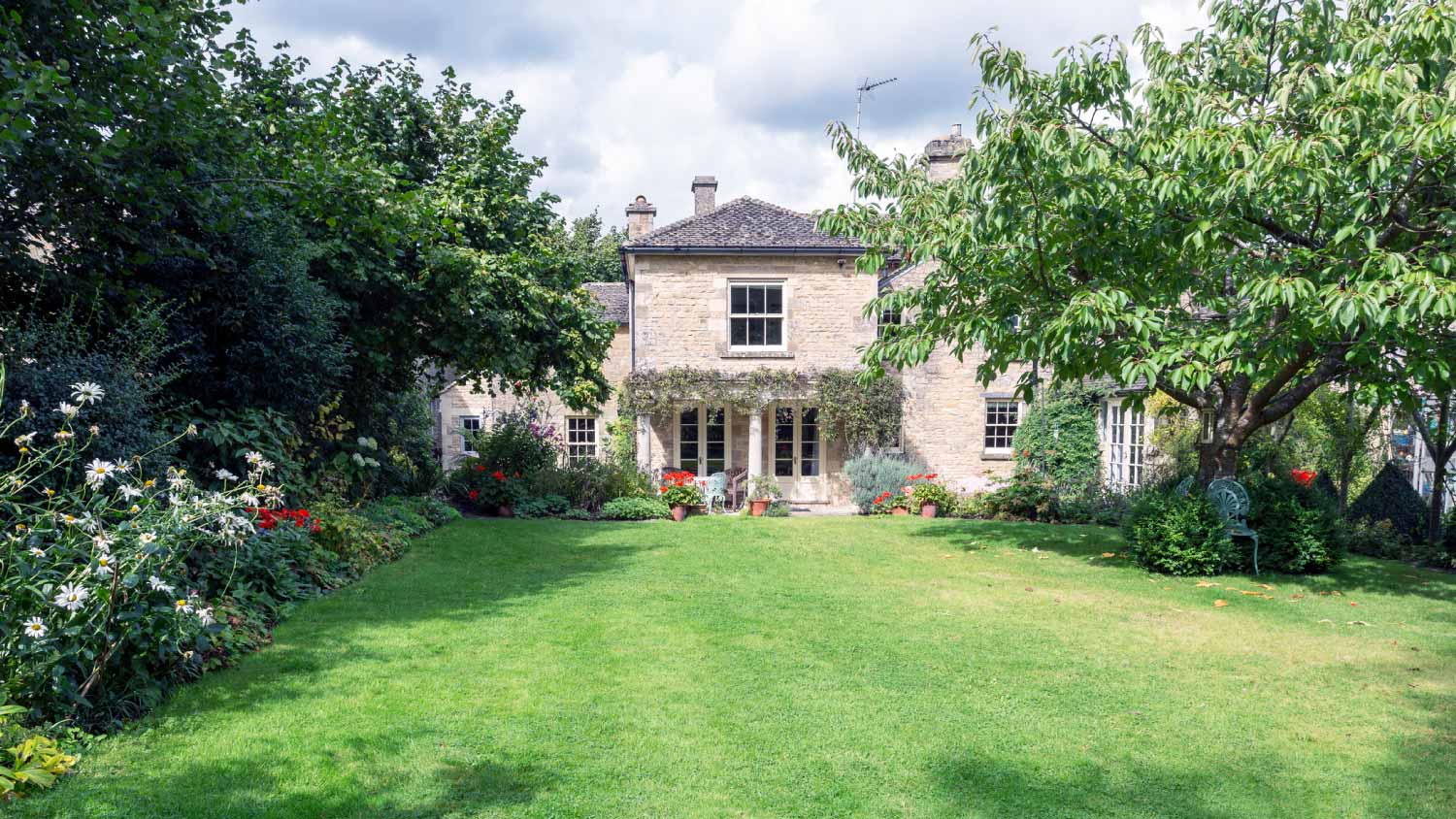
A perc test for septic analyzes the absorption rate of the soil where a tank is going to be installed. Learn more about the test, cost, and passing grades.

Learn how to test a septic drain field to ensure it’s functioning properly before encountering costly issues.