


Top-rated energy efficiency auditors.

Best energy efficiency auditors near Kinards, SC

Enter your zip and get matched with up to 5 pros

Need a pro for your energy efficiency auditing project in Kinards, SC?

Select your specific project to find the pro for you.

Top-Rated Energy efficiency auditors in Kinards - Updated Nov 2026

Avatar for ADT Solar
ADT Solar
4.4(
111
)
Energy Audit - For BusinessHome Energy Audit

Serving Kinards, SC and surrounding areas

In business since 2008

Free estimates

Warranties offered

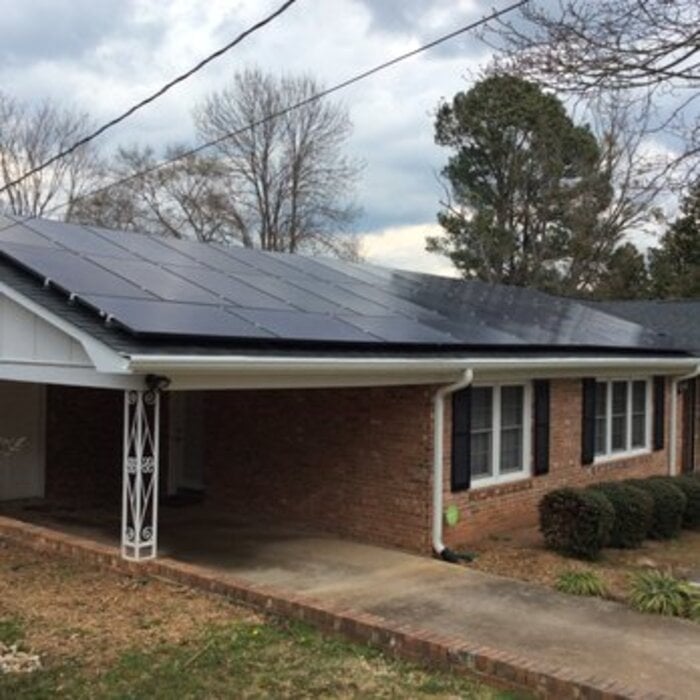
"Rep. checked entire system. He found several wires not connected properly and fixed this. He also made recommendations regarding the attachment of the panels to the rood that would provide more stability and leakproofing. The representative appeared to know what he was doing - much better than others, including the representative who was engaged by the roofer (who replaced our rood due to hail damage) to disconnect/connect the panels."
11 kW PV Installation
5 kW PV Installation
9.5 kW PV Installation
Recommended by89%of homeowners
Avatar for South Carolina Solar Project
South Carolina Solar Project
5.0(
9
)
Energy Audit - For BusinessHome Energy Audit

Serving Kinards, SC and surrounding areas

In business since 2017

Free estimates

"Jon Mason with South Carolina Solar Project did an amazing job start to finish. From the initial consultation and review of solar energy to the installation, topnotch professionalism. Jon's technical expertise, financial knowledge and passion for solar energy is evident and assured me that I was making the right choice to go Solar. I would, and have, highly recommend South Carolina Solar Project to anyone looking to go Solar!"
Additional Photos
Additional Photos
Additional Photos
Additional Photos
Additional Photos

+61

Recommended by100%of homeowners

Showing 1-10 of 17
Energy Efficiency Auditing FAQs, answered by experts

R-value measures an insulation material's thermal resistance, indicating its ability to resist heat transfer. A higher R-value signifies better insulation performance because the material is more effective at slowing heat flow. The R-value depends on the type, thickness, and density of the insulation material, such as fiberglass, foam, or cellulose. Each inch of insulation typically provides an R-value between 3 and 8. There is no single universal R-value; the optimal choice depends on your climate zone. Colder climates require a much higher R-value than warmer ones to maintain energy efficiency, keep the home warm in winter and cool in summer, and manage costs.

If you have central air conditioning, it’s fine to run your AC all day if that’s what you want—as long as the AC unit is in good condition. But if your AC runs constantly when you don’t want it to, there may be a problem with your system (like the ones we’ve mentioned above). Window AC units and wall air conditioners aren’t as powerful as central AC, so you should only run those kinds of air conditioners for eight to 12 hours at a time.

There are several signs that your house might have poor ventilation, including lingering odors, condensation on your windows, or mold and mildew. Your home may also feel stale and stuffy, or you might have trouble maintaining a comfortable temperature in your home. On top of that, you might develop allergy symptoms, such as sneezing, coughing, or headaches.

Common warning signs of an overloaded electrical panel or meter box include frequent circuit breaker tripping, flickering or dimming lights, scorch or burn marks, and a burning scent coming from the panel. A circuit breaker trips as a protective measure to prevent overheating and potential fires. If you observe any of these signs, turn off the affected circuit breaker and move some devices to a different circuit. If the problem persists after turning the breaker back on, you should contact a professional electrician to resolve the issue.

A good SEER rating for an HVAC system is typically between 15 and 20. However, minimum requirements vary by location; HVAC systems in northern states must have at least a 14 SEER rating, while those in southern states need a minimum of 15. For the highest possible efficiency, look for units with a SEER rating of 21 or higher. It's important to remember that a SEER rating represents the maximum efficiency a unit can achieve, not the level at which it will operate at all times.

The Kinards, SC homeowners’ guide to energy efficiency auditing services

From average costs to expert advice, get all the answers you need to get your job done.