




Top-rated plaster repair specialists.

Get matched with top plaster repair specialists in Fork, SC

Enter your zip and get matched with up to 5 pros

Need a pro for your plaster repair project in Fork, SC?

Select your specific project to find the pro for you.

TRUSTED BY FORK, SC HOMEOWNERS

  • Average homeowner rating star icon5
    Average homeowner rating
  • Verified reviews icon10
    Verified plaster repairs reviews

Find Plaster repair specialists in Fork

Avatar for Hardee Construction
Hardee Construction
4.4(
8
)
Plaster - InstallPlaster - Install - For BusinessPlaster - Repair+1 more

Serving Fork, SC and surrounding areas

In business since 1974

Free estimates

Emergency services offered

"Jarid and his crew always showed up on time, were very professional and friendly. Jarid was always available for questions that we may of had. Work was done as promised and at a very responsible price. Very happy with the work and the results ! Would definitely recommend him !!"
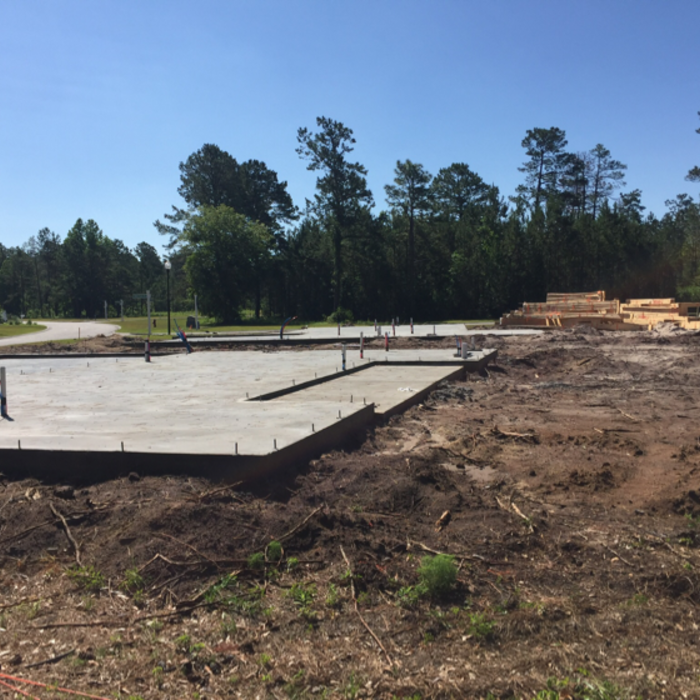
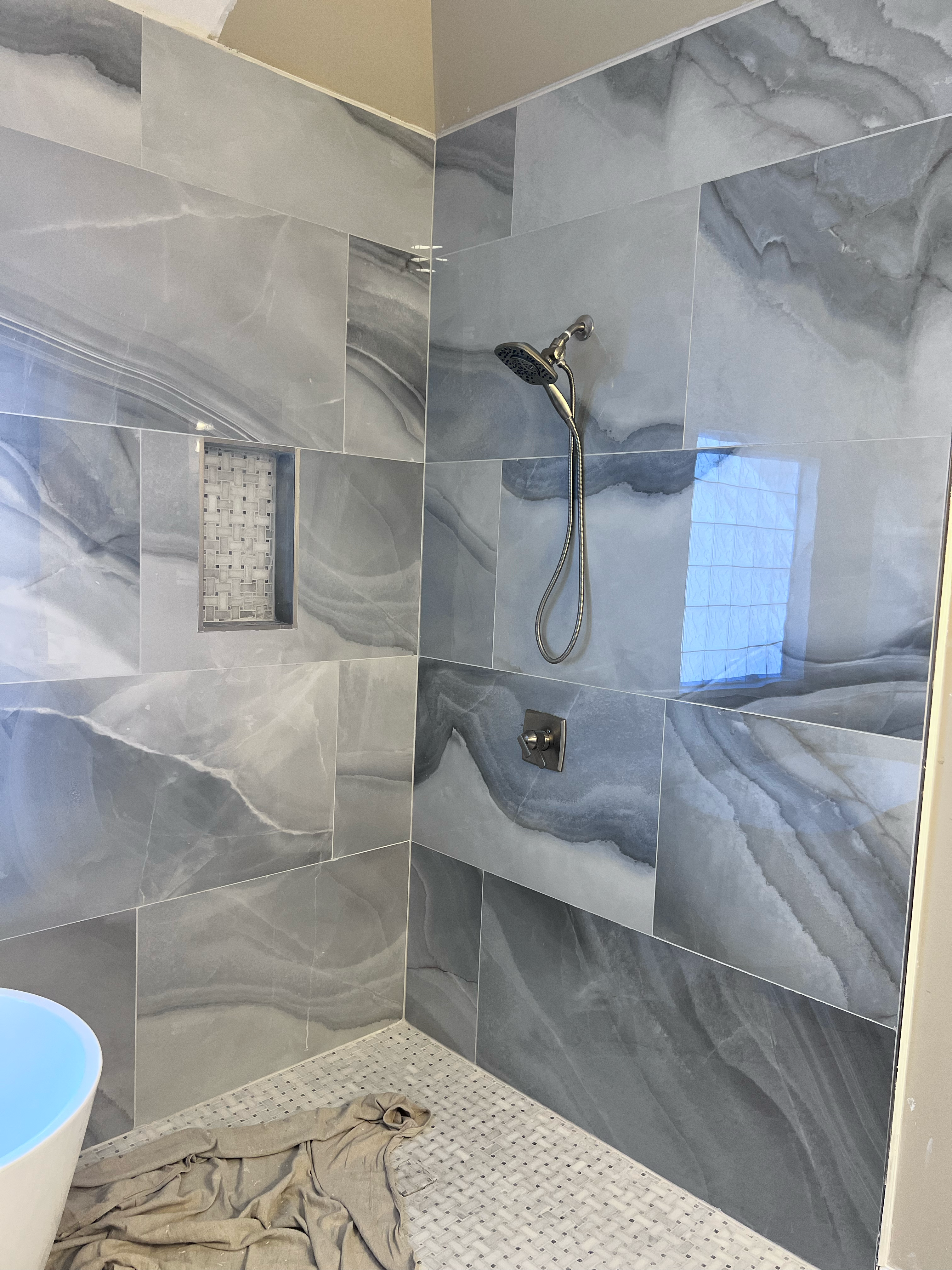
Additional Photos
Additional Photos
Additional Photos
Additional Photos
Additional Photos

+29

Recommended by87%of homeowners
Pearce Renovations
New to Angi
Plaster - InstallPlaster - Repair

Serving Fork, SC and surrounding areas

In business since 1991

Pearce Renovations is a locally owned company that prides itself on providing prompt, quality work in a professional manner. Our quality is a testament to the level of service and results you'll get when you choose us for your needs. With over 75% of our business coming from customer referrals, we would love the opportunity to be of service to you. We are excited that you have expressed an interest in our company and we look forward to working with you. Call us today for a free estimate!

Showing 1-10 of 22
Plaster Repair questions, answered by experts

The tool you use to sand plaster will depend on the size of the project. If you’re just working on a small section of your wall to get rid of an uneven spot on the surface, hand-sanding might work. However, for larger projects, a drywall sander can make a huge difference when it comes to both time and elbow grease—and an orbital sander can help for detailed areas such as around ceiling fans.

You can put certain types of plaster over other types, but doing so isn't always the best idea. For example, putting a coat of gypsum over lime plaster is possible, but doing so will limit the lime plaster's breathability and potentially affect its performance.

Since cement plaster tends to leave a textured surface, no matter how much you smooth it, some people prefer to use gypsum plaster as a topcoat over cement plaster, creating a smoother surface.

Although they have similar applications, spackle and joint compound are not the same. Their primary differences lie in their composition, consistency, and ideal use cases.

Spackle is composed of gypsum and binding agents, making it thicker than joint compound. It dries quickly and is easy to sand, which makes it ideal for small wall repair projects like filling nail holes or patching minor damage.

Joint compound, also known as drywall mud, consists of limestone and gypsum. It is primarily used for large-scale projects, such as taping and finishing the seams on newly installed drywall. It tends to shrink more than spackle and can be more difficult to spread.

While both products can be used to fill small depressions and cracks, spackle cannot replace joint compound for taping and mudding new drywall. Conversely, you can often use joint compound for small patching jobs typically done with spackle.

The allure of Venetian plaster lies in its unique appearance and individual characteristics in a home. It’s sophisticated and multidimensional and has a rich history dating back to Ancient Rome. This type of plaster finish is durable and represents a style of luxury that has been practiced for thousands of years. Many designers pair the texture of Venetian plaster with modern furnishings, resulting in an elegant and refined aesthetic.

Technically speaking, you can use drywall primer over plasters. However, oil-based primers work the most effectively on wall plasters. Meanwhile, water-based primers work just as well with drywalls. Nowadays, there are also universal primers suitable for drywall and plaster. Overall, you will be fine as long as you are using a trustworthy brand.

The Fork, SC homeowners’ guide to plaster repairs

From average costs to expert advice, get all the answers you need to get your job done.