



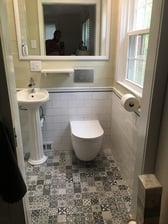
Top-rated plaster repair specialists.

Best plaster repair specialists near Florence, SC

Enter your zip and get matched with up to 5 pros

Need a pro for your plaster repair project in Florence, SC?

Select your specific project to find the pro for you.

TRUSTED BY FLORENCE, SC HOMEOWNERS

  • Average homeowner rating star icon4.2
    Average homeowner rating
  • Verified reviews icon16
    Verified plaster repairs reviews

Top-Rated Plaster repair specialists in Florence - Updated Nov 2026

Avatar for Framed in home repair
Framed in home repair
5.0(
4
)
Plaster - InstallPlaster - Repair

Serving Florence, SC and surrounding areas

Approved

Free estimates

Emergency services offered

Warranties offered

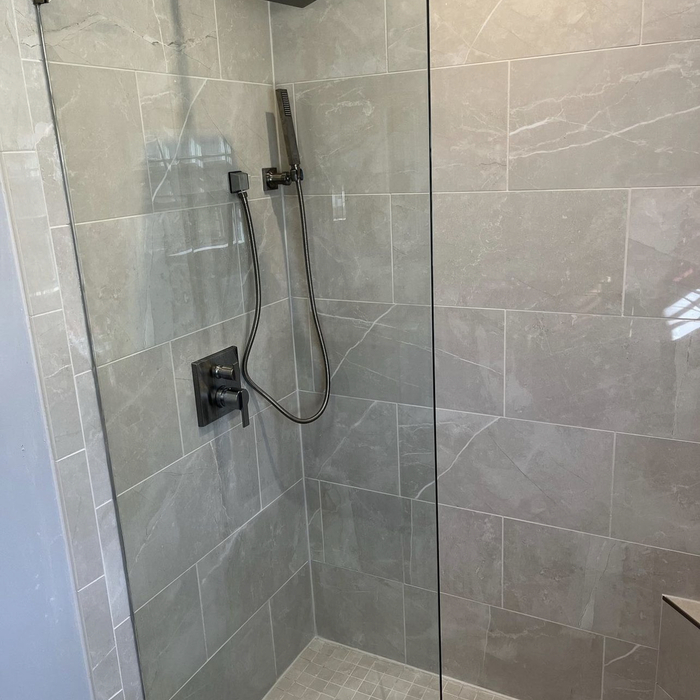
I'm Jeremy Jarrett, owner of Framed In Home Repair in Fayetteville, NC and surrounding counties. I've spent 20+ years in residential construction, and I started Framed In to do the kind of work I'd want done on my own house: honest, careful, and done right the first time.\n\nI handle drywall and painting, carpentry and framing, tile and flooring, bathroom remodels, door installation, siding repair, fixture and plumbing repairs, and general home repairs everything from hanging interior doors to crawlspace support beams and vapor barriers. I'm based in Fayetteville and serve Fayetteville, Spring Lake, and nearby communities.\n\nWhat sets my work apart is simple: I treat your home like it's my own, I show up when I say I will, and I don't leave until the job is finished properly. You get straight answers, fair pricing, and photos of the finished work no surprises.\n\n

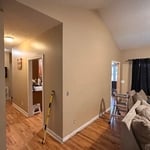
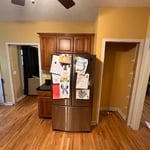
Kitchen update
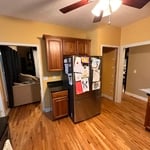
Kitchen update
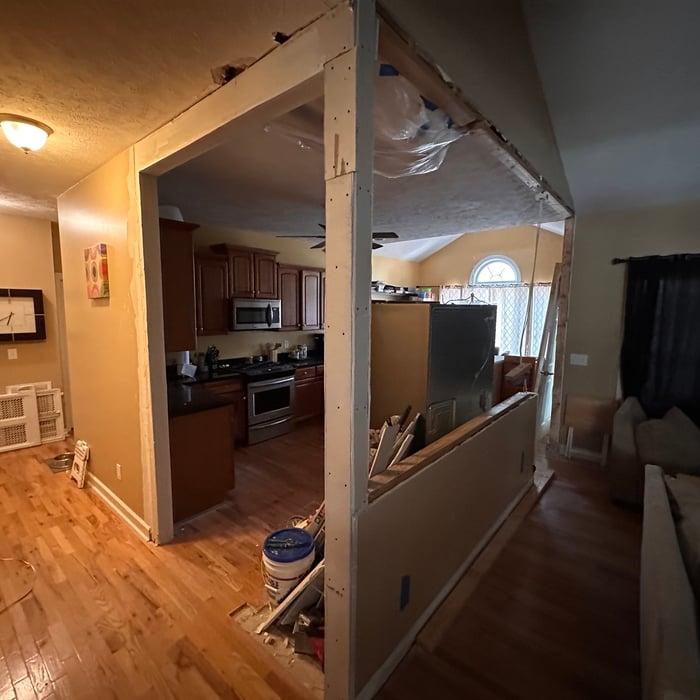
Kitchen update
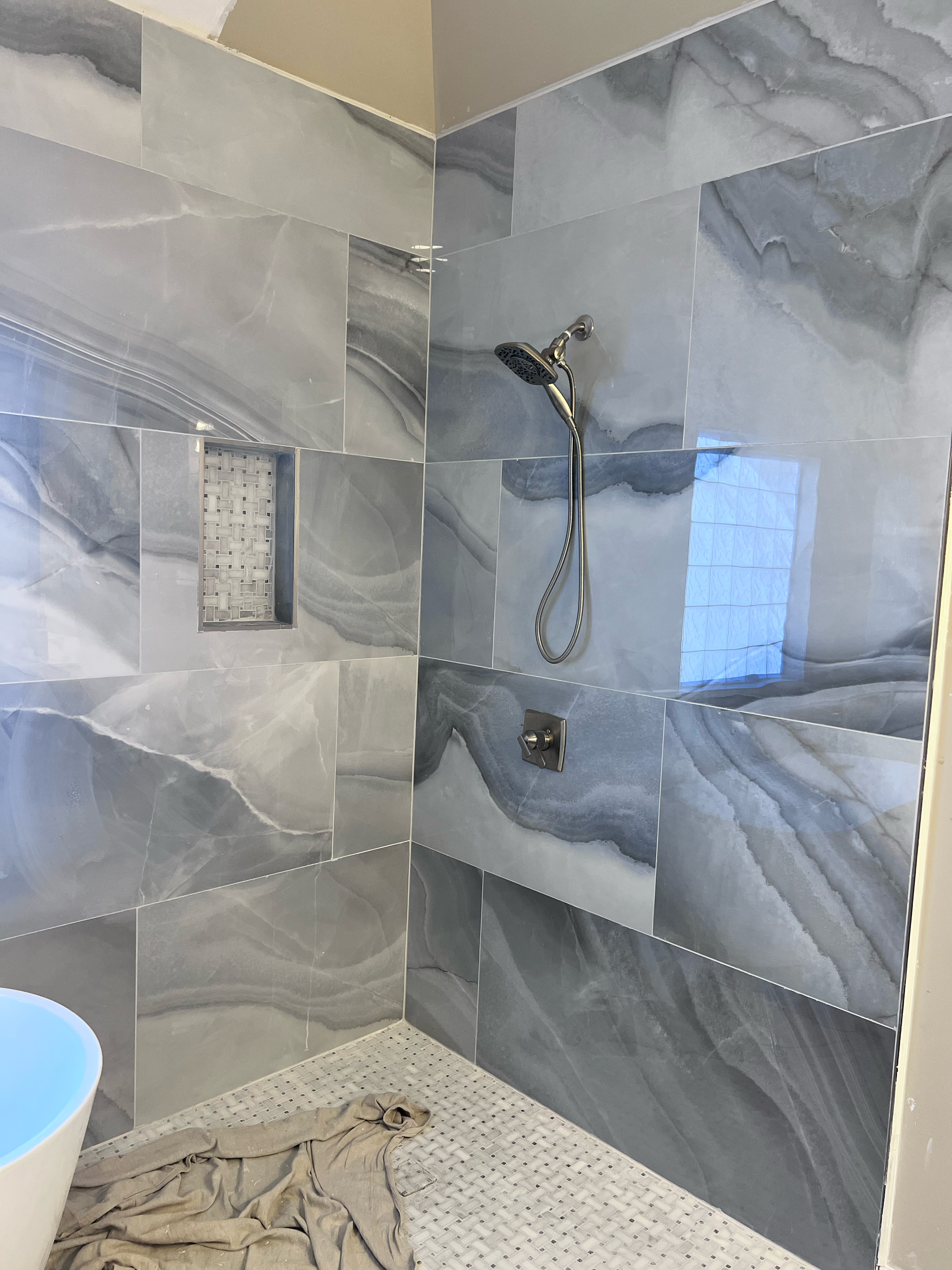
Kitchen update
Kitchen update

+6

Super Drywall LLC
4.0(
2
)
Plaster - Repair - For Business

Serving Florence, SC and surrounding areas

In business since 2014

Free estimates

Credit card accepted

With over 5 years of experience in the home improvement industry, Super Drywall LLC is your industry expert in Dorchester county and the surrounding areas. We pride ourselves on our extreme professionalism and attention to detail. Our customer satisfaction guarantee will assure you we will not leave your property until you are completely satisfied with our work. As a family owned and operated business you can trust that we will treat your home as we would treat our own. Give us a call today we look forward to working with you!

Recommended by50%of homeowners
Showing 1-10 of 34
Plaster Repair FAQs, answered by experts

Whether you can install or repair plaster yourself depends on the project's size and your comfort level with DIY projects. It's possible to handle small repairs on your own, but for larger projects like a room restoration or a full installation, it's often best to hire a local plaster professional. The final appearance, even coverage, and durability of the plaster depend heavily on proper wall preparation and application. If you are not 100% confident in your ability to achieve a professional result, letting an expert handle the job is a worthwhile investment.

Many services include repainting to match the existing surface. Confirm with your provider.

Plaster walls typically last between 30 and 70 years, but depending on the quality of the materials and the moisture levels in the building, they can last for over 100 years. With expert application and consistent maintenance, plaster can even last for centuries. To extend its lifespan, it is important to have the plaster professionally installed, address any water damage promptly, and repair small cracks as they appear. Regular inspections by a professional can help identify and address concerning cracks before they become significant issues.

The short answer is yes, a sagging plaster ceiling is dangerous. Sagging plaster on a wall is something you should fix immediately, but it isn’t a major concern. If the same type of sagging occurs on a ceiling, however, you could be in danger of your ceiling falling in large chunks. When plaster sags, it loses its strength and ability to hold itself up. The bonds that hold it together are strong, though, so if a sagging area falls, it will take large pieces down with it.

Although they are used for similar tasks, spackle and joint compound are not the same. Joint compound, also known as drywall mud, consists of limestone and gypsum and is primarily used for large-scale projects like taping and finishing seams on new drywall. Spackle is composed of gypsum and binding agents, making it a thicker compound best suited for small wall repairs like filling nail holes or cracks, as it dries quickly and is easy to sand. For small repairs, either product can be suitable. However, you can use joint compound for small jobs in place of spackle, but you cannot use spackle for large-scale taping and mudding projects.

The Florence, SC homeowners’ guide to plaster repairs

From average costs to expert advice, get all the answers you need to get your job done.