

Top-rated septic tank pros.

Get matched with top septic tank pros in Converse, SC

Enter your zip and get matched with up to 5 pros

Need a pro for your septic tank service project in Converse, SC?

Select your specific project to find the pro for you.

TRUSTED BY CONVERSE, SC HOMEOWNERS

  • Average homeowner rating star icon4.2
    Average homeowner rating
  • Verified reviews icon39
    Verified septic tank services reviews

Find Septic tank pros in Converse

Avatar for Xpert Plumbing INC
Xpert Plumbing INC
4.8(
16
)
Septic System - Install or ReplaceSeptic System - RepairSeptic System - Install or Replace - For Business+3 more

Serving Converse, SC and surrounding areas

Approved

Super Service Award Winner

In business since 2016

Emergency services offered

Warranties offered

"Stephen was great, my tub backed up with water and my toilet would not flush, turns out my septic field needed replacing. Very responsive, reasonably priced and best of all. I didn’t have to leave my home during the repairs. I’d give 10 stars if I could."
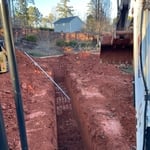
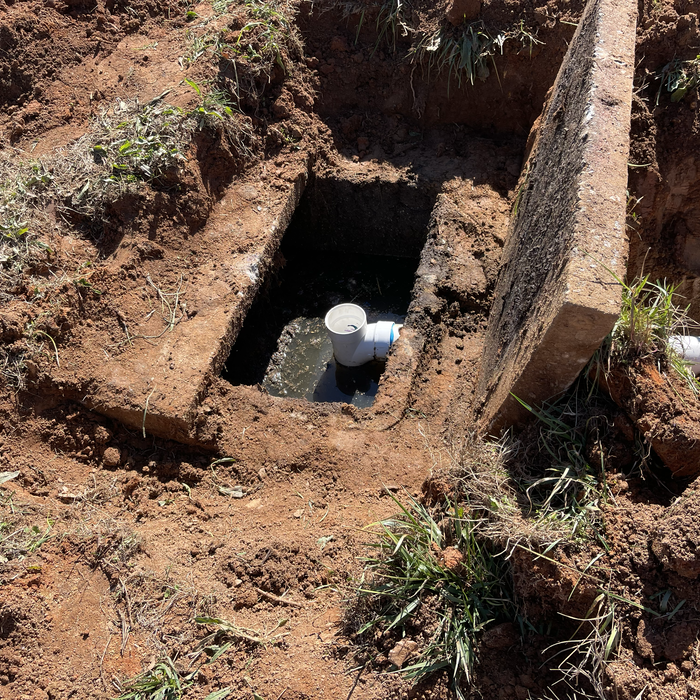
Septic Tank Project
Additional Photos
Additional Photos
Additional Photos
Additional Photos

+12

Response time7 hrs
Response rate100%
26 neighbors recently requested a quote
B&S Septic Services
5.0(
4
)
Septic System - Install or ReplaceSeptic System - Repair

Serving Converse, SC and surrounding areas

In business since 2023

Free estimates

Offers commercial services

"Cody was very great to work with and went out of his way to make sure the job was done right. He installed a new chamber drainage field for me and did a wonderful job. I would highly recommend them for anyone that needs septic work done. Great communication and service."
Response time3 hrs
Response rate94%
Recommended by100%of homeowners
Showing 1-10 of 29
Septic Tanks questions, answered by experts

A septic system's lifespan typically ranges from 15 to 40 years, with a common average of 20 to 30 years. The longevity heavily depends on the tank's material, maintenance diligence, and usage habits. With proper care, lifespans can reach the upper end of this range.

Lifespan by Tank Material:

  • Concrete: 20 to 40 years

  • Plastic or Fiberglass: 30 to 40 years

  • Steel: 15 to 20 years

To maximize your system's lifespan, follow these maintenance best practices:

  • Regular Pumping and Inspections: Have the tank pumped every three to five years and schedule professional inspections regularly.

  • Mindful Usage: Only flush human waste and toilet paper. Avoid putting items like cat litter, paper towels, cigarette butts, fats, grease, oils, or coffee grounds down your drains.

  • Avoid Chemicals: Do not pour harsh chemicals into the system.

  • Water Conservation: Reduce the amount of wastewater your system has to process.

  • Protect the Drain Field: Avoid driving or building heavy structures over the drain field area.

While you can drain water softener backwash into a septic tank, doing so may cause several problems. One problem is that increased sodium chloride levels from water softener backwash can kill septic tank bacteria, decreasing the effectiveness of this wastewater treatment system. Another issue is that large calcium deposits can eventually stop up the drain field and lead to poor drainage. 

Septic tank odors can happen because of a few different issues with your septic system, such as a full tank, clogged drains, or blocked venting systems. Not only is a smelly septic tank pretty unpleasant, but it can also pose a potential hazard to yourself and your home. Toxic fumes could be hanging around, or untreated wastewater could be harming the environment.

There are many reasons you may want to extend the depth of an existing well or drill a new, deeper well on your property. A deeper well can tap cleaner water sources—shallow water may contain more contaminants. With a deeper well, you’ll also have an easier time reaching the water table depth (the level at which underground water is found) and can get past tricky soil conditions. 

Plus, if your local building code requires a minimum well depth for safety and environmental standards, you’ll meet the code by digging a deeper well in the first place.

Most well pump pressure switches have a factory setting of 30 to 50 PSI. There’s some flexibility with this if you’d like a lower or higher water pressure, but remember that it should sit 2 to 3 PSI above your well tank’s general pressure setting.

The inside of your pressure switch cover will usually indicate minimum and maximum settings—going below and above the numbers might damage your well pump.

The Converse, SC homeowners’ guide to septic tank services

From average costs to expert advice, get all the answers you need to get your job done.