





Top-rated plaster repair specialists.

Best plaster repair specialists near Coventry, RI

Enter your zip and get matched with up to 5 pros

Need a pro for your plaster repair project in Coventry, RI?

Select your specific project to find the pro for you.

TRUSTED BY COVENTRY, RI HOMEOWNERS

  • Average homeowner rating star icon4.5
    Average homeowner rating
  • Verified reviews icon134
    Verified plaster repairs reviews

Top-Rated Plaster repair specialists in Coventry - Updated Nov 2026

Avatar for NE Plastering and Painting
NE Plastering and Painting
4.7(
44
)
Plaster - InstallPlaster - Install - For BusinessPlaster - Repair+1 more

Serving Coventry, RI and surrounding areas

Approved

Super Service Award Winner

Free estimates

Emergency services offered

Warranties offered

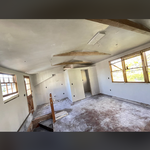
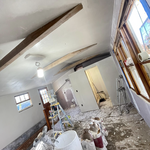
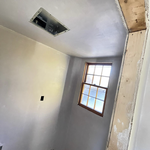
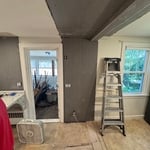
"Nelson and his assistant from New England Plastering and Painting did an outstanding job repairing my ceiling in our living room. They had to remove damaged ceiling that was caused by water/sewerage leak. Then they had to install a large piece of drywall and plaster over it. Nelson and his partner did an awesome job feathering the plaster to make the drywall fit in seamlessly. Another great thing they did was to block off the area (with drop cloths and plastic) they were working in. This kept the work and debris area contained. As a result, no debris and dust went elsewhere. Overall, I am thoroughly impressed with the work performed by New England Plastering and Painting. I will use them again and I highly recommend them to other potential customers."
Additional Photos
Additional Photos
Additional Photos
Additional Photos
Additional Photos

+43

Response time6 hrs
1 neighbors recently requested a quote

Recommended by35%of homeowners
Sonart Construction Corp.
2.3(
7
)
Plaster - InstallPlaster - Install - For BusinessPlaster - Repair+1 more

Serving Coventry, RI and surrounding areas

Approved

In business since 2013

Free estimates

Credit card accepted

Sonart Construction Corp. has over15 years of experience in providing a variety of exterior and interior renovation services. We provide services to Palm Beach, Broward and Miami-Dade Counties.. We specialize in Bathroom Remodeling, Kitchen Remodeling, Flooring and the list goes on. Customer satisfaction is what determines our success, which is why we take a hands-on approach and keep the customer informed through every phase of the project. When interacting with our company, you'll notice that we're particularly focused on the principles of quality workmanship, timely completion, competitive pricing, and integrity in all our business dealings. We combine knowledge and research with our extensive practical experience to ensure a specialized approach for your renovation needs. Give us a call today!

...
Showing 1-10 of 89
Plaster Repair FAQs, answered by experts

Although they have similar applications, spackle and joint compound are not the same. Their primary differences lie in their composition, consistency, and ideal use cases.

Spackle is composed of gypsum and binding agents, making it thicker than joint compound. It dries quickly and is easy to sand, which makes it ideal for small wall repair projects like filling nail holes or patching minor damage.

Joint compound, also known as drywall mud, consists of limestone and gypsum. It is primarily used for large-scale projects, such as taping and finishing the seams on newly installed drywall. It tends to shrink more than spackle and can be more difficult to spread.

While both products can be used to fill small depressions and cracks, spackle cannot replace joint compound for taping and mudding new drywall. Conversely, you can often use joint compound for small patching jobs typically done with spackle.

There are several warning signs that a ceiling crack is connected to a larger issue. For starters, if the crack is wider than 1/8 inch or longer than 12 inches, you might have a more serious problem. The same applies if you have multiple smaller cracks or cracks going across the ceiling and down the wall. In any of these situations, you should ask a professional to assess the damage.

While it’s most common to sand plaster dry, it is possible to wet-sand plaster, too. Doing so can reduce the amount of plaster dust released into the air and make it easier to work in smaller, more delicate areas (such as around wall trim). However, some people find that wet sanding leads to more imperfections, which is why larger walls are more often dry sanded to ensure an even finish.


Common causes include water leaks, settling, and impact. Address underlying issues to prevent recurring damage.

Yes, you can speed up the time it takes for plaster to dry, but it's important to do so carefully to avoid issues like cracking or crumbling. Proper ventilation is key; open a window or use a fan to circulate air in the room. Heat can also accelerate drying, but be cautious, as too much heat can cause the plaster to dry too quickly and crack. Check the plaster's packaging for the recommended drying temperature and set the room's thermostat accordingly. While managing humidity is important, avoid using a dehumidifier, which can remove moisture too aggressively and result in crumbly plaster.

The Coventry, RI homeowners’ guide to plaster repairs

From average costs to expert advice, get all the answers you need to get your job done.