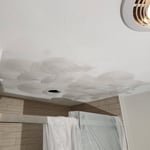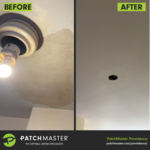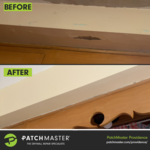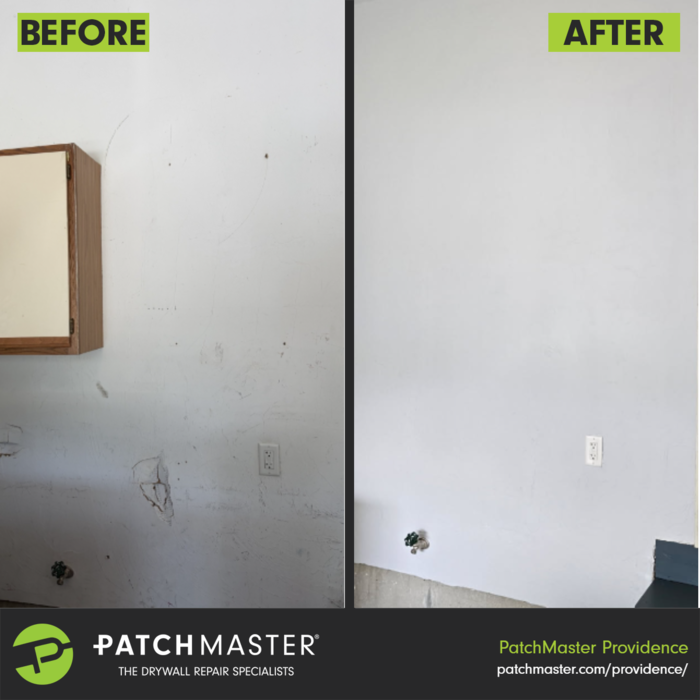


Top-rated plaster repair specialists.

Best plaster repair specialists near Smithfield, RI

Enter your zip and get matched with up to 5 pros

Need a pro for your plaster repair project in Smithfield, RI?

Select your specific project to find the pro for you.

TRUSTED BY SMITHFIELD, RI HOMEOWNERS

  • Average homeowner rating star icon4.6
    Average homeowner rating
  • Verified reviews icon166
    Verified plaster repairs reviews

Top-Rated Plaster repair specialists in Smithfield - Updated Nov 2026

Avatar for Fourth Generation Construction
Fourth Generation Construction
4.9(
35
)
Plaster - RepairPlaster - Repair - For Business

Serving Smithfield, RI and surrounding areas

Approved

In business since 2018

Free estimates

Emergency services offered

"Santino and his team showed up when they said they would to repair and repaint our bedroom ceiling. They protected floors and furniture and cleaned up after they were done. Price was very reasonable!"
Response time10 hrs
Response rate100%
6 neighbors recently requested a quote
Sonart Construction Corp.
2.3(
7
)
Plaster - InstallPlaster - Install - For BusinessPlaster - Repair+1 more

Serving Smithfield, RI and surrounding areas

Approved

In business since 2013

Free estimates

Credit card accepted

Sonart Construction Corp. has over15 years of experience in providing a variety of exterior and interior renovation services. We provide services to Palm Beach, Broward and Miami-Dade Counties.. We specialize in Bathroom Remodeling, Kitchen Remodeling, Flooring and the list goes on. Customer satisfaction is what determines our success, which is why we take a hands-on approach and keep the customer informed through every phase of the project. When interacting with our company, you'll notice that we're particularly focused on the principles of quality workmanship, timely completion, competitive pricing, and integrity in all our business dealings. We combine knowledge and research with our extensive practical experience to ensure a specialized approach for your renovation needs. Give us a call today!

...
Showing 1-10 of 100
Plaster Repair FAQs, answered by experts

Although they are used for similar tasks, spackle and joint compound are not the same. Joint compound, also known as drywall mud, consists of limestone and gypsum and is primarily used for large-scale projects like taping and finishing seams on new drywall. Spackle is composed of gypsum and binding agents, making it a thicker compound best suited for small wall repairs like filling nail holes or cracks, as it dries quickly and is easy to sand. For small repairs, either product can be suitable. However, you can use joint compound for small jobs in place of spackle, but you cannot use spackle for large-scale taping and mudding projects.

You can plaster over regular drywall, but it's essential to prepare the surface properly. Before plastering, the drywall should be clean, free of dust, and any loose or peeling paint should be removed. Applying a primer specifically designed for plastering can improve adhesion. Some professionals recommend applying a base coat of plaster or joint compound to create a better surface for the plaster to adhere to. Proper preparation ensures a smooth and durable plaster finish over regular drywall.
Plaster that sags or bulges, shows extensive deep cracks, or is crumbling from water damage or simply time may need replacement. Plaster walls can look a little “worn” for a long time before they need replacing. The only real way to know if it needs a replacement is to hire a professional to assess the condition of the plaster.

Venetian plaster is a highly durable wall finish that becomes a rock-like substance once dried, making it last longer than most other wall finishes. Its lifespan can range from decades to centuries, potentially lasting a lifetime. Key factors influencing its longevity include the quality of the initial application, whether it's properly sealed against moisture, and how the wall is maintained and treated (e.g., how often it is touched or bumped). Due to its mineral content, it can also develop a patina over time.

All plaster walls will crack over time due to normal house settling and expansion and contraction from temperature and moisture changes. Small, thin hairline cracks are generally not serious and are mostly a cosmetic issue. However, larger or more significant cracks can indicate structural problems.

Here's how to tell the difference:

  • Cosmetic Cracks: Cracks that are 0.5 cm (0.2 inches) or thinner are typically cosmetic.

  • Structural Cracks: Cracks wider than 0.5 cm, excessive or deep cracks, multiple cracks in the same area, or cracks that span around corners can signify a structural or foundation issue. Cracks along the joints where walls meet the ceiling also warrant attention.

For cracks wider than 0.5 cm, structural repair is needed. If a crack is 2.5 cm (1 inch) or wider, or if you notice any signs of a structural problem, it is best to contact a plaster repair professional to assess the damage.

The Smithfield, RI homeowners’ guide to plaster repairs

From average costs to expert advice, get all the answers you need to get your job done.