




Top-rated plaster repair specialists.

Get matched with top plaster repair specialists in Chepachet, RI

Enter your zip and get matched with up to 5 pros

Need a pro for your plaster repair project in Chepachet, RI?

Select your specific project to find the pro for you.

TRUSTED BY CHEPACHET, RI HOMEOWNERS

  • Average homeowner rating star icon4.5
    Average homeowner rating
  • Verified reviews icon25
    Verified plaster repairs reviews

Find Plaster repair specialists in Chepachet

Avatar for NE Plastering and Painting
NE Plastering and Painting
4.7(
43
)
Plaster - InstallPlaster - Install - For BusinessPlaster - Repair+1 more

Serving Chepachet, RI and surrounding areas

Approved

Super Service Award Winner

Free estimates

Emergency services offered

Warranties offered

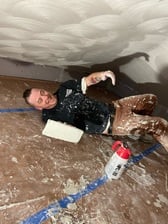
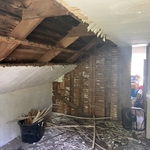
"Nelson and his assistant from New England Plastering and Painting did an outstanding job repairing my ceiling in our living room. They had to remove damaged ceiling that was caused by water/sewerage leak. Then they had to install a large piece of drywall and plaster over it. Nelson and his partner did an awesome job feathering the plaster to make the drywall fit in seamlessly. Another great thing they did was to block off the area (with drop cloths and plastic) they were working in. This kept the work and debris area contained. As a result, no debris and dust went elsewhere. Overall, I am thoroughly impressed with the work performed by New England Plastering and Painting. I will use them again and I highly recommend them to other potential customers."
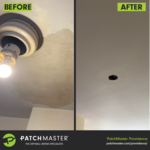
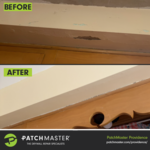
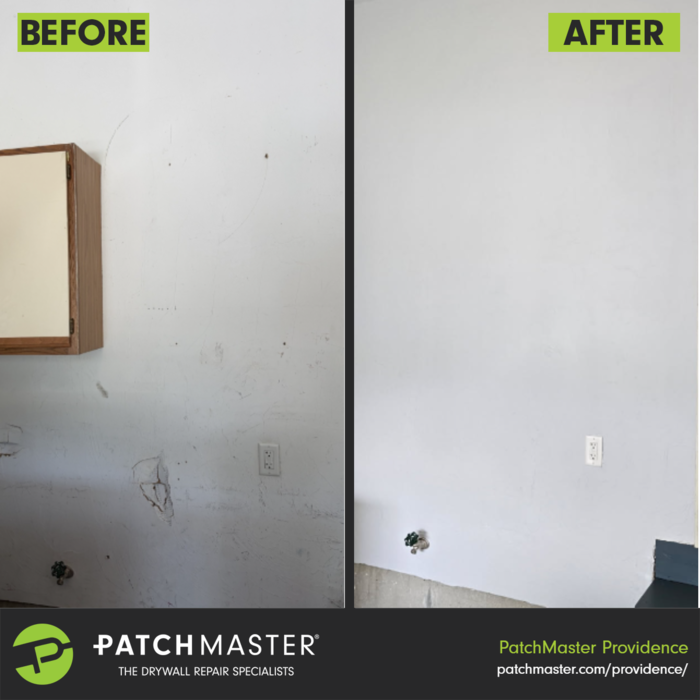
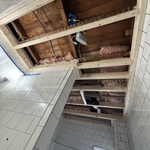
Additional Photos
Additional Photos
Additional Photos
Additional Photos
Additional Photos

+43

Response time6 hrs
1 neighbors recently requested a quote

Recommended by36%of homeowners
Sonart Construction Corp.
2.3(
7
)
Plaster - InstallPlaster - Install - For BusinessPlaster - Repair+1 more

Serving Chepachet, RI and surrounding areas

Approved

In business since 2013

Free estimates

Credit card accepted

Sonart Construction Corp. has over15 years of experience in providing a variety of exterior and interior renovation services. We provide services to Palm Beach, Broward and Miami-Dade Counties.. We specialize in Bathroom Remodeling, Kitchen Remodeling, Flooring and the list goes on. Customer satisfaction is what determines our success, which is why we take a hands-on approach and keep the customer informed through every phase of the project. When interacting with our company, you'll notice that we're particularly focused on the principles of quality workmanship, timely completion, competitive pricing, and integrity in all our business dealings. We combine knowledge and research with our extensive practical experience to ensure a specialized approach for your renovation needs. Give us a call today!

...
Showing 1-10 of 82
Plaster Repair questions, answered by experts

The tool you use to sand plaster will depend on the size of the project. If you’re just working on a small section of your wall to get rid of an uneven spot on the surface, hand-sanding might work. However, for larger projects, a drywall sander can make a huge difference when it comes to both time and elbow grease—and an orbital sander can help for detailed areas such as around ceiling fans.

Repairs typically take 2-4 hours for small areas. Larger or more complex repairs may require additional time.

Plastering and skimming are two different techniques for finishing walls. Plastering involves applying a thick layer of a plaster mixture—typically containing gypsum, lime, cement, sand, and water—to create a new surface. This process often requires multiple coats and is used for repairing significant damage or creating decorative textures. Skimming, on the other hand, is a technique that involves applying a thin layer of drywall compound or joint compound over an existing surface to smooth it out, covering minor imperfections, small cracks, or uneven textures for a polished look. Plastering is generally more costly and labor-intensive than skimming. Although some people use the terms interchangeably, they refer to different processes and materials.
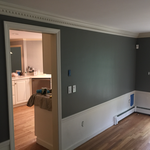
All plaster walls will crack over time due to normal house settling and expansion and contraction from temperature and moisture changes. Small, thin hairline cracks are generally not serious and are mostly a cosmetic issue. However, larger or more significant cracks can indicate structural problems.

Here's how to tell the difference:

  • Cosmetic Cracks: Cracks that are 0.5 cm (0.2 inches) or thinner are typically cosmetic.

  • Structural Cracks: Cracks wider than 0.5 cm, excessive or deep cracks, multiple cracks in the same area, or cracks that span around corners can signify a structural or foundation issue. Cracks along the joints where walls meet the ceiling also warrant attention.

For cracks wider than 0.5 cm, structural repair is needed. If a crack is 2.5 cm (1 inch) or wider, or if you notice any signs of a structural problem, it is best to contact a plaster repair professional to assess the damage.

Installing or repairing plaster on ceilings differs slightly from performing the same motions on a wall. You’ll apply slightly less plaster to lower the overall weight of the ceiling. Wall texturing is common, whereas most ceilings are smooth plaster. Tough coat plaster is strong, meaning you can use less while retaining a solid surface.

The Chepachet, RI homeowners’ guide to plaster repairs

From average costs to expert advice, get all the answers you need to get your job done.