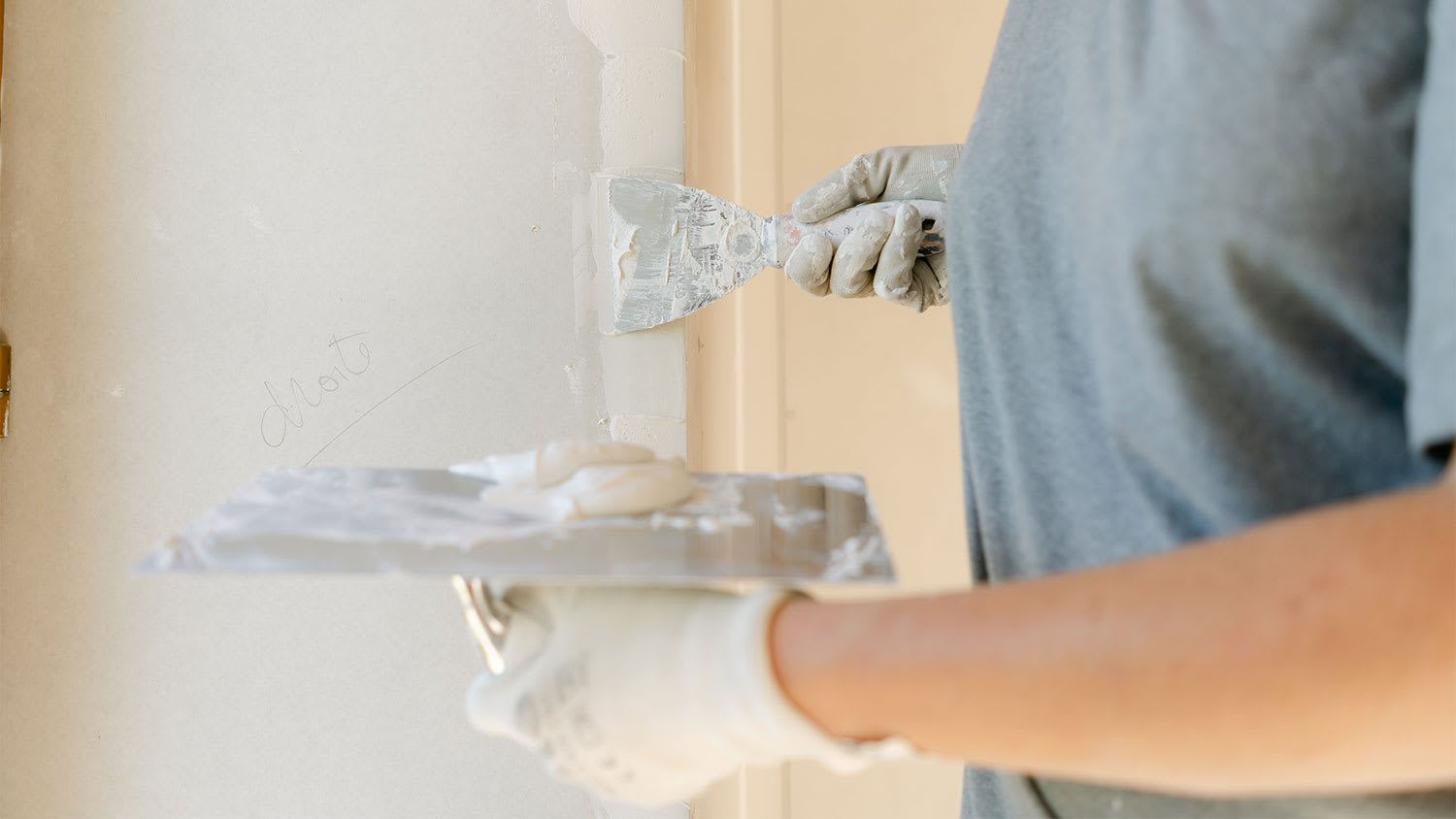
Top-rated plaster repair specialists.
Get matched with top plaster repair specialists in Warwick, RI

Enter your zip and get matched with up to 5 pros

Need a pro for your plaster repair project in Warwick, RI?

Select your specific project to find the pro for you.

TRUSTED BY WARWICK, RI HOMEOWNERS

  • Average homeowner rating star icon4.5
    Average homeowner rating
  • Verified reviews icon260
    Verified plaster repairs reviews

Find Plaster repair specialists in Warwick

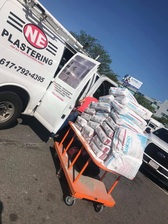
Avatar for NE Plastering and Painting
NE Plastering and Painting
4.7(
43
)
Plaster - InstallPlaster - Install - For BusinessPlaster - Repair+1 more

Serving Warwick, RI and surrounding areas

Approved

Super Service Award Winner

Free estimates

Emergency services offered

Warranties offered

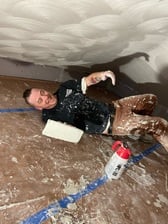
"I recently hired NE Plastering for a small kitchen remodel in my home. I found them on Angi and after going over multiple positive reviews, I decided to contact them. Nelson was very responsive and came to the property and gave me an estimate the very next day. I felt the price was very fair and decided to hire them. I was thrilled that they could start the job right away. Nelson and his crew worked quickly and professionally, and had my project was done in two days. I was very pleased with the quality of work and how quickly and professionally the job was done. I would highly recommend an NE Plastering for any of your sheet rock or plastering needs."
Additional Photos
Additional Photos
Additional Photos
Additional Photos
Additional Photos

+43

Response time6 hrs
1 neighbors recently requested a quote
Recommended by36%of homeowners
...
Showing 1-10 of 100
Plaster Repair questions, answered by experts

While it’s most common to sand plaster dry, it is possible to wet-sand plaster, too. Doing so can reduce the amount of plaster dust released into the air and make it easier to work in smaller, more delicate areas (such as around wall trim). However, some people find that wet sanding leads to more imperfections, which is why larger walls are more often dry sanded to ensure an even finish.

It’s not a good idea to plaster over broken plaster (unless by broken you’re referring to cracked, in which case that’s perfectly fine). However, broken plaster can be a sign of a larger underlying issue like foundation damage or severe damage to the lath holding up the plaster, so it’s worth investigating before you simply plaster on top of the damage.

You can repair plaster ceilings yourself after the cause of the ceiling damage has been addressed. However, the repair can easily take 5 hours and can be slightly challenging for those without previous experience. If you do decide to flex your DIY muscle, have a helper to help hold the ladder and pass you the tools for safety purposes.

Plastering lasts for around 15 to 20 years without needing repairs or maintenance in most cases, and with proper upkeep, plastering can last a lifetime—sometimes more than 100 years. Plaster repair costs between $1 and $3 per square foot, and you may need these services once every 15 to 20 years or so unless you have a harsh climate where humidity changes are a constant issue. You can also opt to skim-coat plaster for between $0.90 and $1.30 per square foot, which may serve you better in the long run.

Although they have similar applications, spackle and joint compound are not the same. Their primary differences lie in their composition, consistency, and ideal use cases.

Spackle is composed of gypsum and binding agents, making it thicker than joint compound. It dries quickly and is easy to sand, which makes it ideal for small wall repair projects like filling nail holes or patching minor damage.

Joint compound, also known as drywall mud, consists of limestone and gypsum. It is primarily used for large-scale projects, such as taping and finishing the seams on newly installed drywall. It tends to shrink more than spackle and can be more difficult to spread.

While both products can be used to fill small depressions and cracks, spackle cannot replace joint compound for taping and mudding new drywall. Conversely, you can often use joint compound for small patching jobs typically done with spackle.

The Warwick, RI homeowners’ guide to plaster repairs

From average costs to expert advice, get all the answers you need to get your job done.