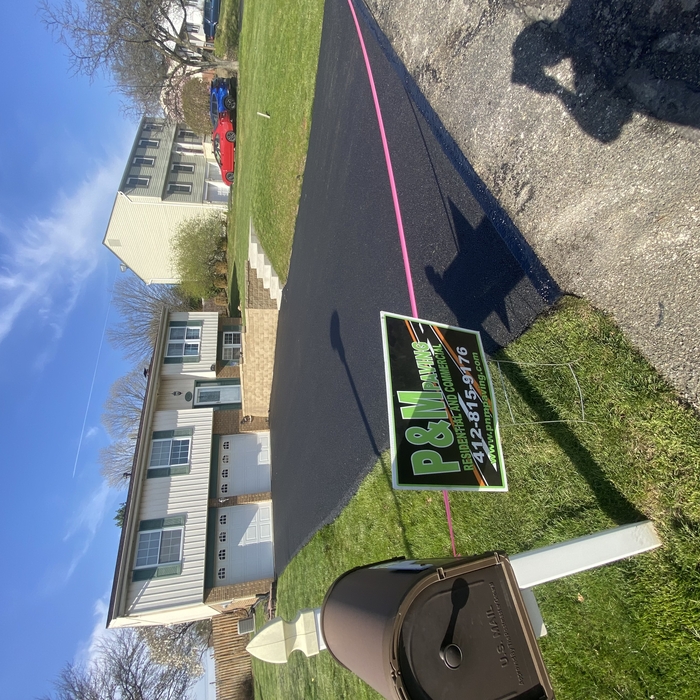




Top-rated paving pros.

Get matched with top paving pros in Washington, PA

Enter your zip and get matched with up to 5 pros

Need a pro for your paving service project in Washington, PA?

Select your specific project to find the pro for you.

TRUSTED BY WASHINGTON, PA HOMEOWNERS

  • Average homeowner rating star icon4.3
    Average homeowner rating
  • Verified reviews icon214
    Verified paving services reviews

Find Paving pros in Washington

Avatar for Top Coat Sealing Inc
Top Coat Sealing Inc
5.0(
22
)
Asphalt Paving - InstallAsphalt Paving - Install- For BusinessAsphalt Paving - Repair or Patch+1 more

Serving Washington, PA and surrounding areas

Approved

In business since 2005

Free estimates

Emergency services offered

"I was totally pleased with the courteous, prompt and professional way that I was treated. The job was done in the time frame promised and the quality was excellent. It was a pleasure doing business with these guys and I would hire them again!"
.
.
.
.
.

+3

Response time6 hrs
Response rate100%
Recommended by100%of homeowners
Avatar for All Pro Contracting
All Pro Contracting
4.6(
106
)
Asphalt Paving - Repair or PatchAsphalt Paving - Repair or Patch - For Business

Serving Washington, PA and surrounding areas

Approved

Super Service Award Winner

In business since 2014

Free estimates

Emergency services offered

"Worked with owner Mike from the beginning...very professional and friendly...gave me a pretty decent price for the paving of my driveway and adding an extension...did all he said his crew would do and I was very pleased with the job done."
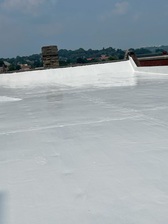
New roof
New roof
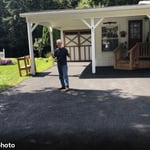
New asphalt install
Cricket install
Cricket install

+4

Response time6 hrs
Response rate97%
81 neighbors recently requested a quote
...
Showing 1-10 of 96
Paving Services questions, answered by experts

The average cost to repair an asphalt driveway is around $2,459 to $2,500. However, prices can range from $100 for minor DIY crack filling to over $4,000 for more extensive professional work. Costs are often calculated per foot, with minor repairs costing $1 to $3 per linear foot and heavier damage like potholes, sinking, or crumbling costing $2 to $5 per linear foot. Patching smaller potholes can cost around $2 to $3 per square foot. The final price depends on the severity and extent of the damage, driveway design, local contractor rates, and whether sealing is included. For major repairs, it is recommended to hire a professional, and you may get a better deal by bundling repair and sealing services together.

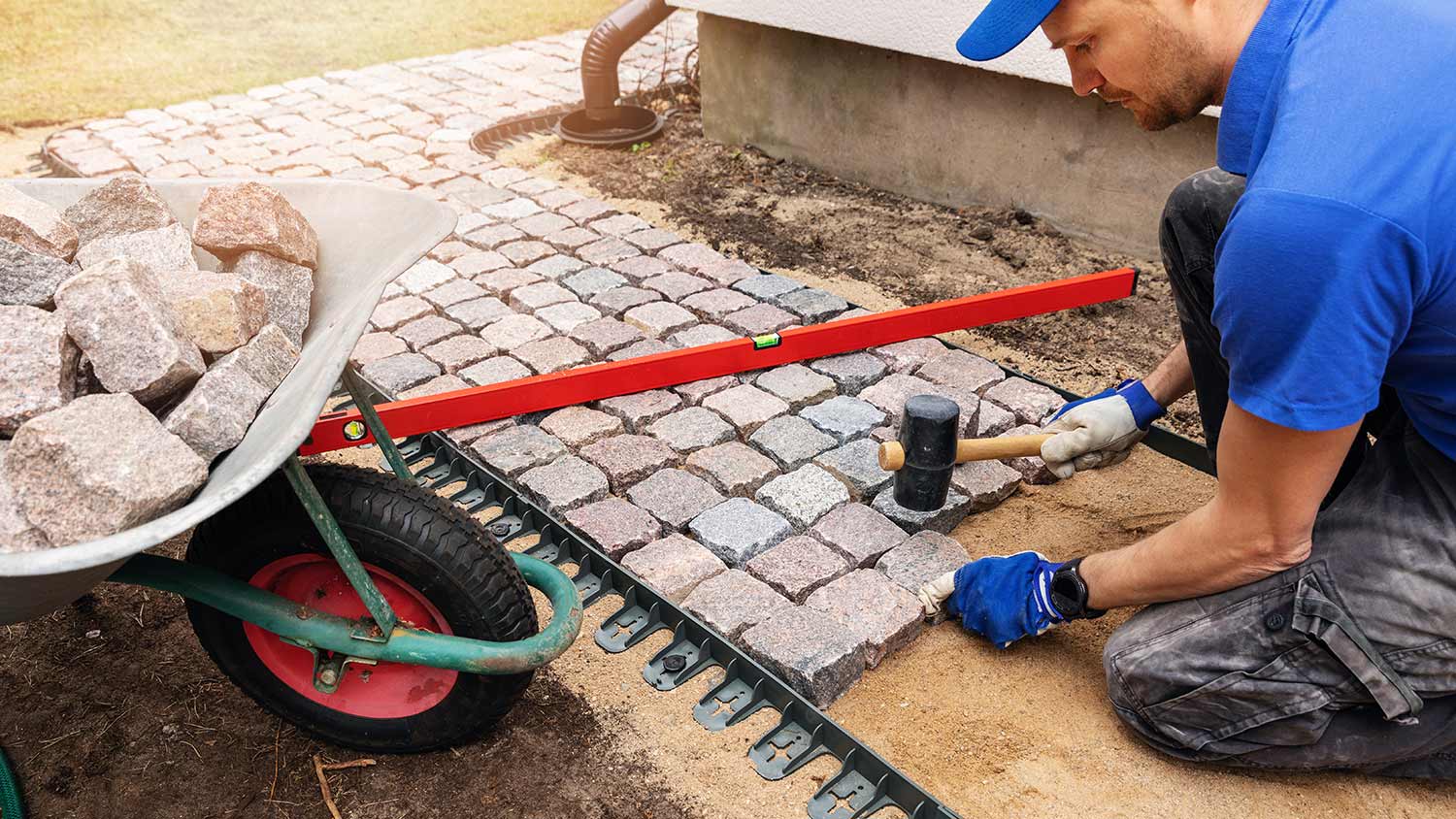
After removing existing moss, consider using paver blocking sand to fill the joints. This specialty material hardens once placed and serves as an effective barrier against moss and weeds. From there on, regularly clean your pavers and try to keep them dry. You can also seal your paver as a semi-permanent solution — just make sure you reseal every 3 to 5 years.
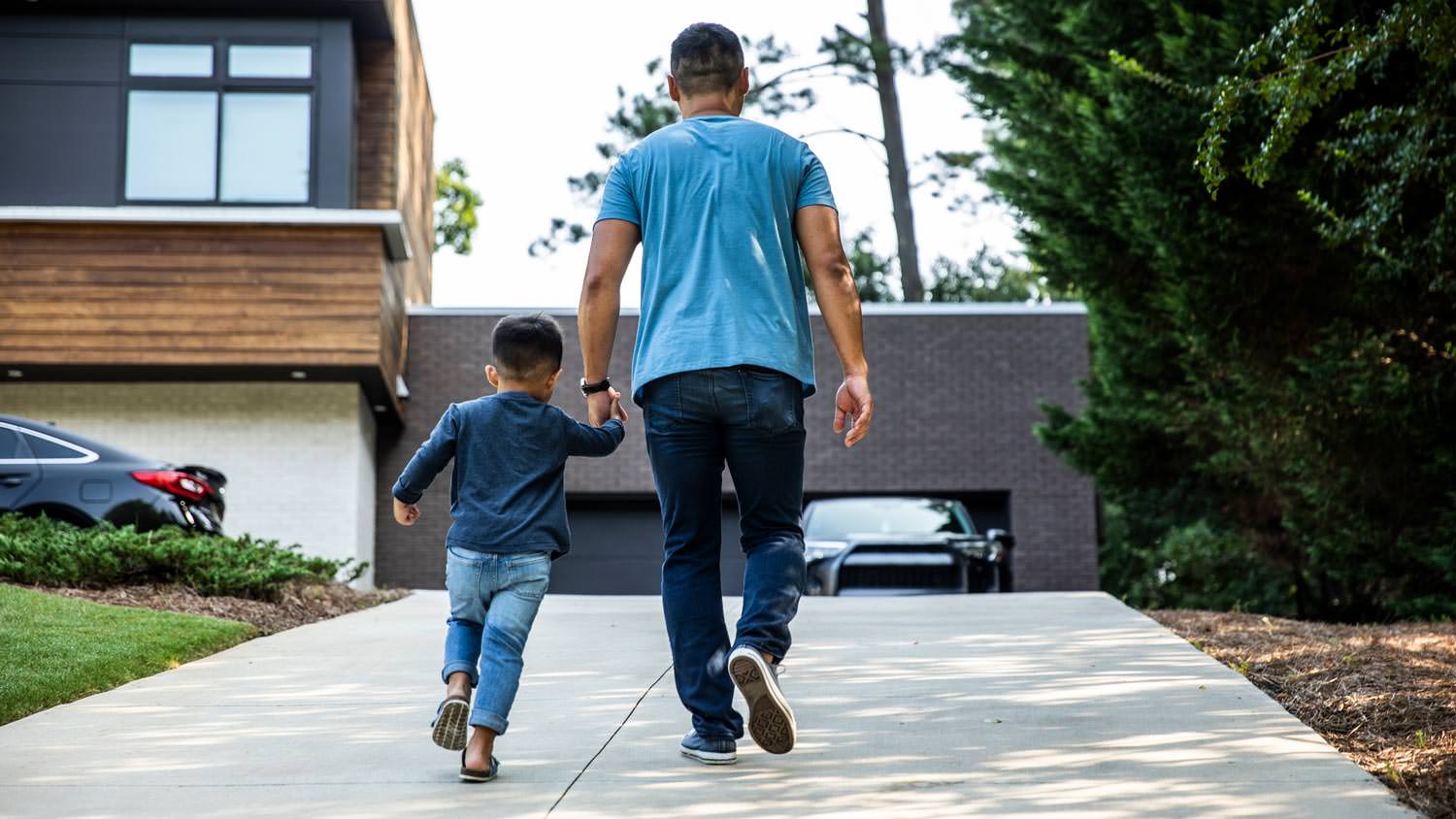
Your driveway contractor will probably recommend that you avoid driving on your new millings driveway for up to a week. Keeping pressure off the freshy applied millings will help the driveway to bind together. While the sun is helpful for binding millings, hotter weather can actually make the curing process take longer.

While blacktop is a type of asphalt, the terms should not be used interchangeably, as not all asphalt qualifies as blacktop. The primary differences are in their composition, production process, and ideal applications. Blacktop contains more stone than other types of asphalt and is heated to a higher temperature during production—300°F or more—while hot-mix asphalt is heated to between 275°F and 300°F. The ratio of bitumen (a tar-like crude oil) is a key differentiator, though sources vary: some state blacktop has less bitumen, making it less durable, while others claim it has a higher ratio. Due to these differences, asphalt is generally more durable and better for high-traffic areas like highways and streets, while blacktop is more suitable for playgrounds and residential driveways. For a driveway project, it is best to consult a professional to determine the most appropriate material.
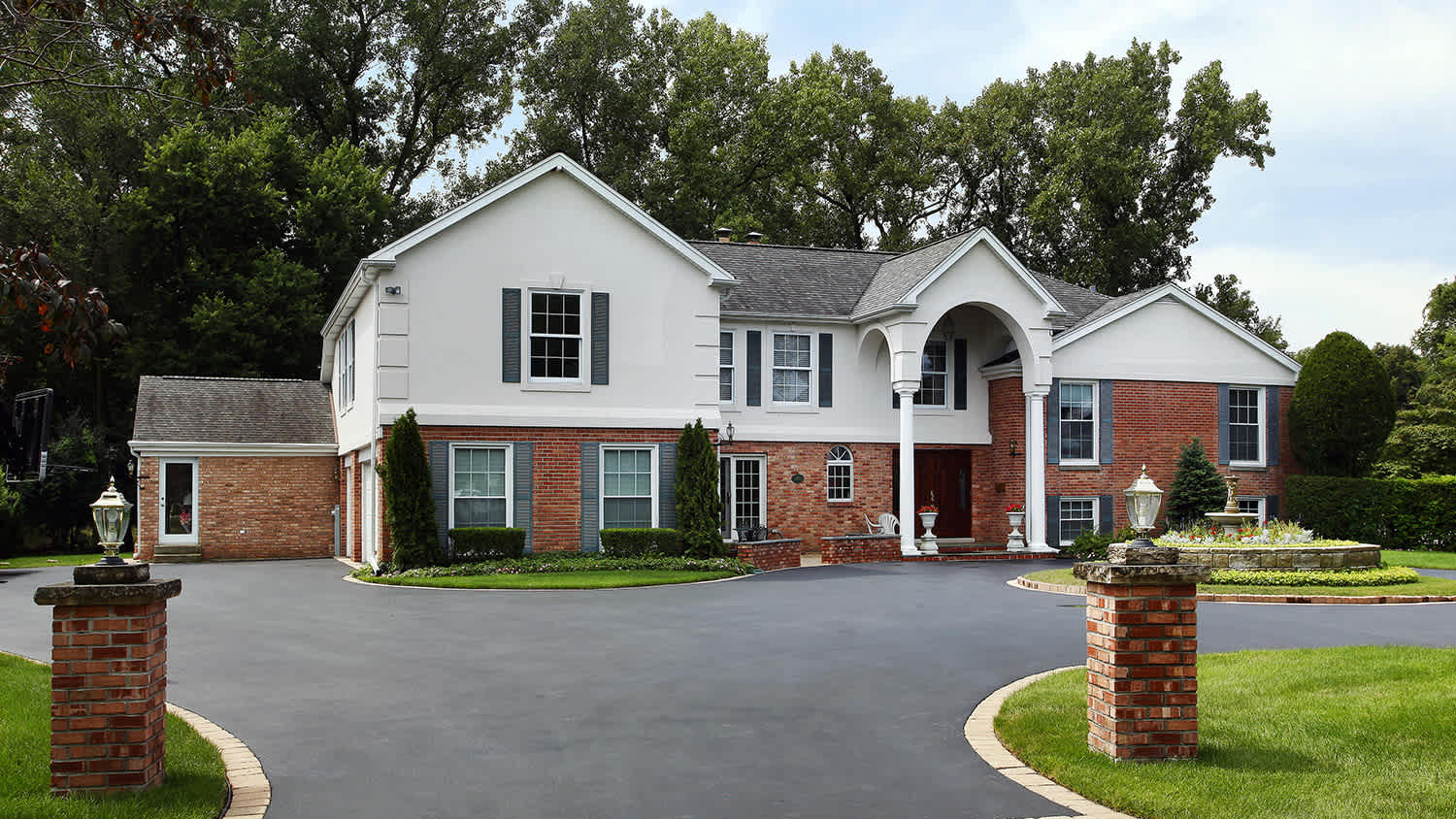
Building a road on a slope requires careful planning and will normally require a drainage system underneath to prevent flooding and damage to the road over time. Your professional may lengthen your road to create switchbacks if the slope directly to your home is too steep, as there are regulations for maximum road slope. The drainage system will help prevent runoff from the higher side of the slope from damaging the asphalt or concrete. Keep in mind that building a road on a slope isn’t a good DIY project, as a lot can go wrong.

The Washington, PA homeowners’ guide to paving services

From average costs to expert advice, get all the answers you need to get your job done.