





Top-rated generator install pros.

Get matched with top generator install pros in Point, PA

Enter your zip and get matched with up to 5 pros

Need a pro for your generator install project in Point, PA?

Select your specific project to find the pro for you.

Find Generator install pros in Point

Avatar for Gravatt Glass & Electric
Gravatt Glass & Electric
5.0(
50
)
Fixed Generator - Install

Serving Point, PA and surrounding areas

In business since 1998

Free estimates

Emergency services offered

"They did a great job. They stopped by and gave me a breakdown of my electrical use and estimates on different options for a generator. They also found the perfect spot to put it. The day of installation, they showed up on time and put in a full day installing the generator. It works great and looks great. Now I don't have to worry about outages, especially in the winter."
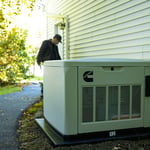
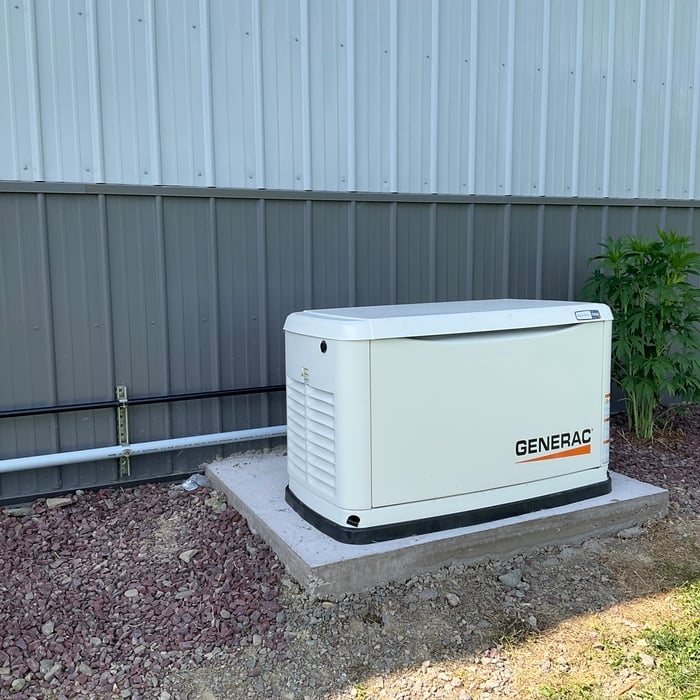
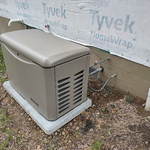
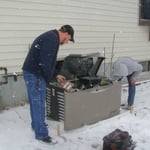
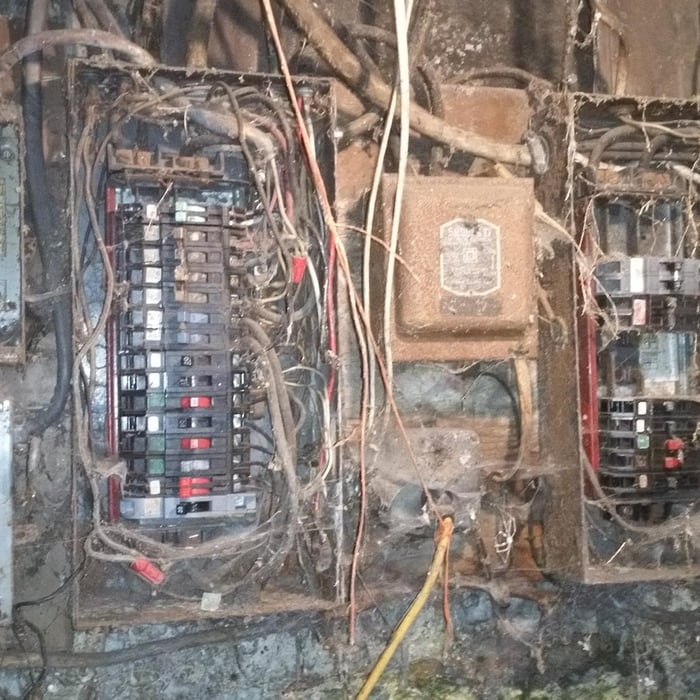
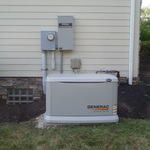
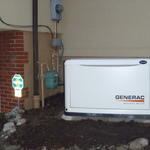
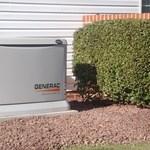
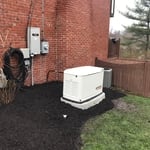
20 kw Generator - Pitts.
 14 kw Generator - Pitts.
 Customer with 8kW - Butler, PA
 20 kw - Conway, PA
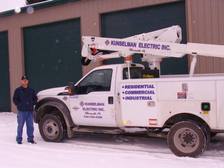
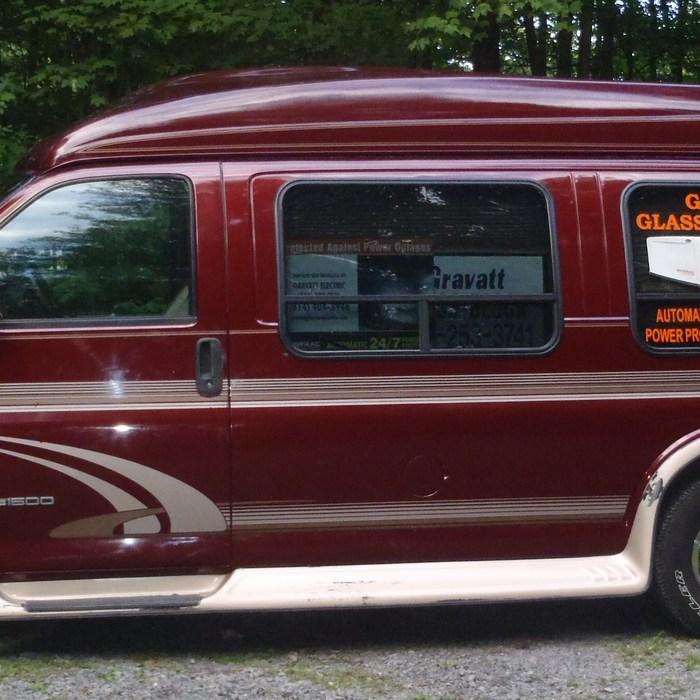
 Our Work Van

+8

Recommended by100%of homeowners
...
Showing 1-10 of 52
Generator Install questions, answered by experts

To power a central air system during a power outage, the whole-house generator will need to be at least 5,000 watts, and this number will significantly increase for larger units. Check the specific wattage requirements of your AC unit to choose the right generator size. Consider consulting a generator installer to ensure your whole-house generator meets your electrical load needs.

If you’re deciding between a solar battery versus a generator for the best backup power solution, you can take a few factors into consideration. Solar batteries are quiet while generators can be quite loud. Generators have a lower up-front cost, but they require fuel and ongoing maintenance while solar batteries are more expensive but don’t have many ongoing costs.

While the rating will tell you how many watts the refrigerator needs at the peak of its cycle, it requires additional wattage to start. At the bare minimum, you’ll need a 1,500-watt generator to get the fridge up and running after a blackout. A 2,000-watt generator should be sufficient for most home refrigerators.

Potential benefits of using a natural gas generator include reducing your carbon footprint, lower likelihood of carbon monoxide exposure, budget-friendly operating costs, and low-maintenance, continuous fuel supply. Some possible drawbacks, though, include higher initial installation costs, dependency on a natural gas supply, and installation complexity. Keep in mind that pros and cons will vary based on the type and brand of natural gas generator. 

The cost to install a whole-house generator averages $5,200, with a typical price range of $1,500 to $8,900. However, total costs can vary from $400 for a small portable unit to over $18,000 for a large-capacity system. The most significant cost factor is the generator's size and capacity, but other variables include the brand, fuel type, and labor for assembly and installation.

Generator costs can be broken down by type:

  • Portable or Emergency Backup Generators (1kW–7.5kW): $500 to $2,000

  • Partial-Home Generators (9kW–20kW): $2,000 to $6,500

  • Whole-House Generators (22kW–48kW): $5,000 to $18,000

To avoid paying for more power than you need, consider hiring an electrician to calculate the electrical load for your essential appliances. It is also recommended to get at least three quotes to find the best deal for your specific needs and budget.

The Point, PA homeowners’ guide to generator installs

From average costs to expert advice, get all the answers you need to get your job done.