







Top-rated generator install pros.

Get matched with top generator install pros in Chicora, PA

Enter your zip and get matched with up to 5 pros

Need a pro for your generator install project in Chicora, PA?

Select your specific project to find the pro for you.

Find Generator install pros in Chicora

Avatar for Gravatt Glass & Electric
Gravatt Glass & Electric
5.0(
50
)

Serving Chicora, PA and surrounding areas

In business since 1998

Free estimates

Emergency services offered

"They did a great job. They stopped by and gave me a breakdown of my electrical use and estimates on different options for a generator. They also found the perfect spot to put it. The day of installation, they showed up on time and put in a full day installing the generator. It works great and looks great. Now I don't have to worry about outages, especially in the winter."
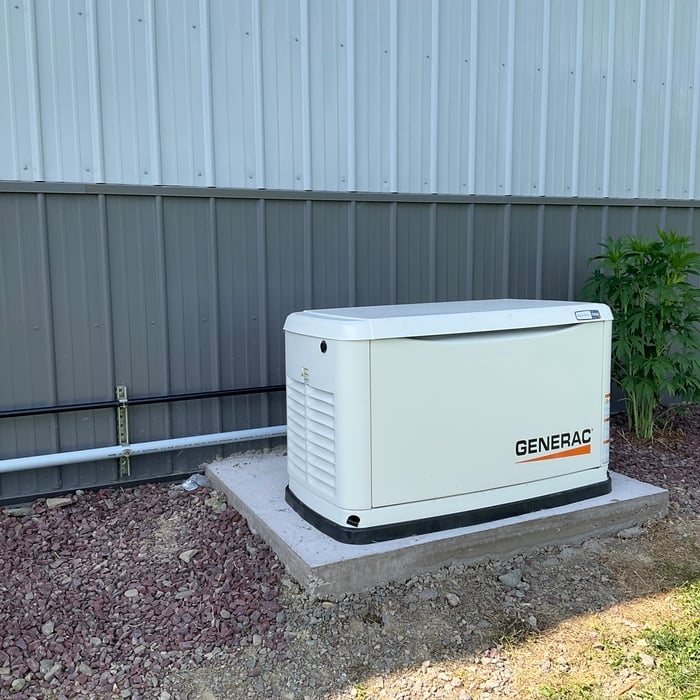
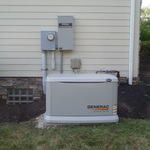
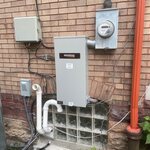
20 kw Generator - Pitts.
 14 kw Generator - Pitts.
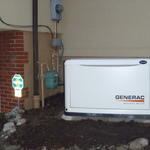
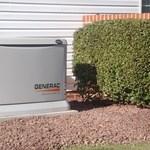
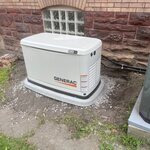
 Customer with 8kW - Butler, PA
 20 kw - Conway, PA
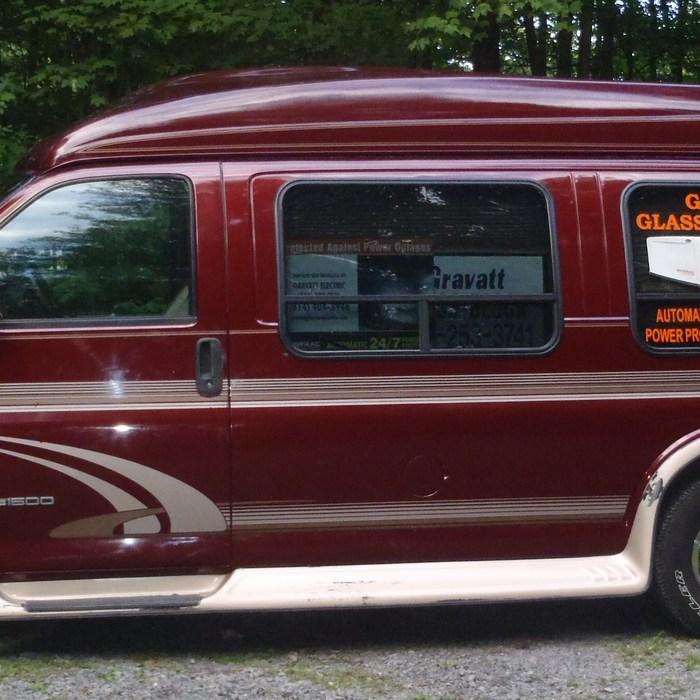
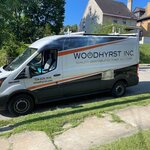
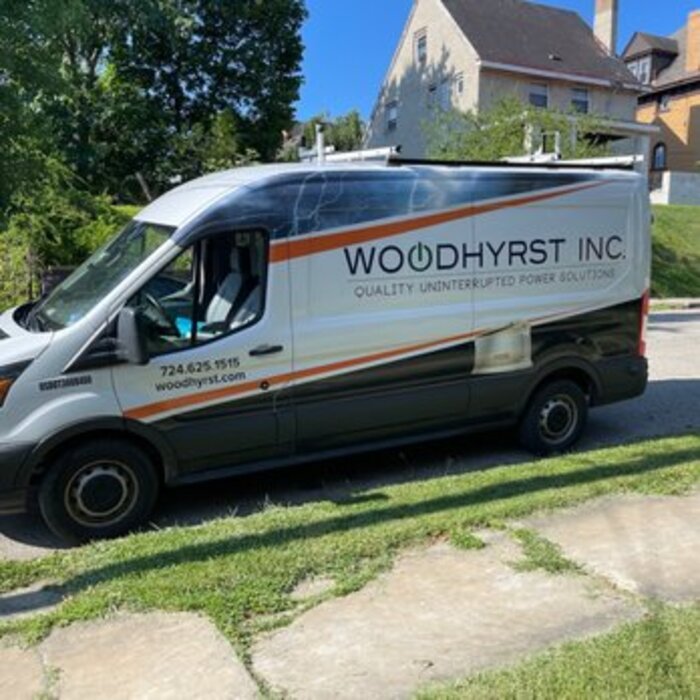
 Our Work Van

+8

Recommended by100%of homeowners
Avatar for Kloock's Electric, Construction & Repair
Kloock's Electric, Construction & Repair
4.2(
98
)

Serving Chicora, PA and surrounding areas

In business since 1996

Credit card accepted

"I hired Jason to install a simple ceiling trim as well as to install a new lighting fixture on a 20-foot ceiling. What I really liked about Jason is that he executed the work and did not cause any damage elsewhere. He built scaffolding, which is heavy, to install the light on my relatively new Maple floors and there was not a scratch. My consistent problem with most contractors is that although they can usually do the work, they cause things like floor scratches or marks or dents in the walls... there is usually some residual damage to having a project done. Jason executed the scope of work without a single additional flaw. His price was also reasonable overall. At one point I asked him to also install a new outlet to support the new Chandelier. He did it without hesitation or an upcharge. I know most contractors would have charged an additional 15 or $20 for that. I would hire him again"
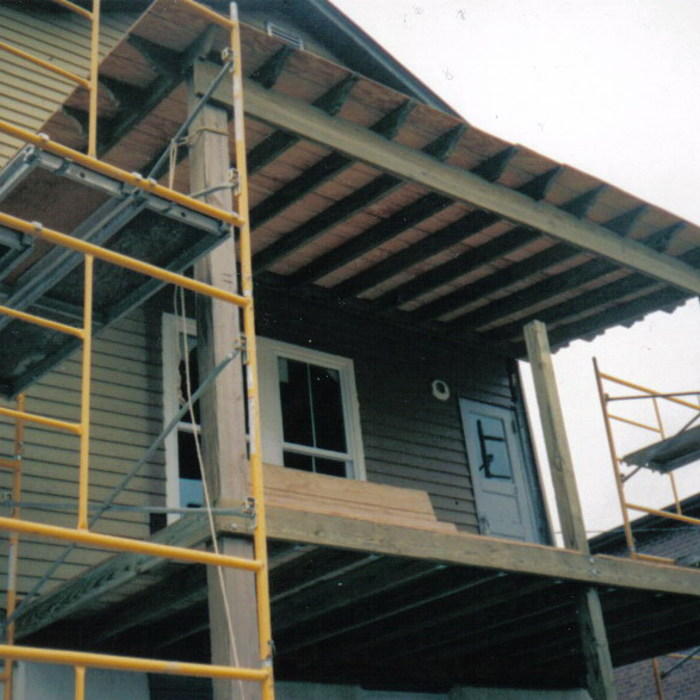
 Old porch
 The old staircase was removed.
 The start of a great porch!
New staircase installed.
 Framing

+18

Recommended by81%of homeowners
Avatar for CCC Electric
CCC Electric
4.6(
15
)

Serving Chicora, PA and surrounding areas

In business since 2015

Emergency services offered

Credit card accepted

"Andrea came out to give an estimate and 30 minutes later she had everything done! The price was extremely reasonable and Andrea was wonderful! She saved us from having a house fire. We have other projects to be done in the future and I definitely will call her. She’s the best!"
Recommended by86%of homeowners
Showing 1-10 of 44
Generator Install questions, answered by experts

In many cases, yes. There are models called dual-fuel generators and fuel switches, but only between certain types of fuel. For example, with the right setup you can convert a generator from natural gas to propane. Some allow switching between diesel and gasoline. There are even tri-fuel generators available in some cases, which adds a large layer of security if you are worried about fuel availability in times of crisis. Always check your generator capabilities and manual instructions before trying to switch fuels. Some generators can use another fuel but may need a fuel conversion kit to prep them first.

The cost to install a whole-house generator averages $5,200, with a typical price range of $1,500 to $8,900. However, total costs can vary from $400 for a small portable unit to over $18,000 for a large-capacity system. The most significant cost factor is the generator's size and capacity, but other variables include the brand, fuel type, and labor for assembly and installation.

Generator costs can be broken down by type:

  • Portable or Emergency Backup Generators (1kW–7.5kW): $500 to $2,000

  • Partial-Home Generators (9kW–20kW): $2,000 to $6,500

  • Whole-House Generators (22kW–48kW): $5,000 to $18,000

To avoid paying for more power than you need, consider hiring an electrician to calculate the electrical load for your essential appliances. It is also recommended to get at least three quotes to find the best deal for your specific needs and budget.

Whole-house generators can run continuously for extended periods, even for weeks at a time (around 400 to 500 hours), as long as they have a sufficient fuel supply. However, this type of extensive use will increase wear and tear and can shorten the generator's overall lifespan. During long periods of operation, it's important to check and refill the engine oil as needed, potentially as frequently as daily depending on the model. If your generator uses a fuel tank, ensure it is kept full to prevent unexpected shutdowns.

As a safety measure, you should always turn off the main breaker while operating your generator’s backup breaker. In addition, you should also switch off all appliance breakers so you don't have a power surge when the main breaker turns back on. And finally, turning off the main breaker prevents back-feeding, which endangers utility workers with the risk of electrocution. Back-feeding could also destroy the electrical circuits of your neighbors if they use the same power network.

To determine the right size generator for your house, you should calculate the total wattage of the appliances and devices you want to power during an outage. List all essential items, note their start-up wattages, and add them together.

Here are some typical wattage requirements for common appliances:

  • Refrigerator: 600 watts

  • Large dehumidifier: 700 watts

  • Large window air conditioner: 1,400 watts

  • Water heater: 3,000 to 4,500 watts

  • Electric furnace: 5,000 to 25,000 watts

A 7,500-watt generator might be sufficient for essentials like a refrigerator, freezer, well pump, and lighting circuits. However, for high-demand items like a water heater or furnace, a whole-home generator is a better choice. A portable generator may be enough if you only need to power a few critical items.

While home square footage can offer a rough estimate, it is not always a reliable indicator. For reference, here are some typical generator sizes based on square footage:

  • 1,000 sq ft: 6–9 kW

  • 1,500 sq ft: 7–10 kW

  • 2,000 sq ft: 10–14 kW

  • 2,500 sq ft: 12–16 kW

  • 3,000 sq ft: 16–20 kW+

For the most accurate sizing, consult a professional who can calculate your home's peak and average power consumption and recommend the optimal generator.

The Chicora, PA homeowners’ guide to generator installs

From average costs to expert advice, get all the answers you need to get your job done.