




Top-rated radon detection and reduction specialists.

Get matched with top radon detection and reduction specialists in Breezewood, PA

Enter your zip and get matched with up to 5 pros

Need a pro for your radon detection and reduction project in Breezewood, PA?

Select your specific project to find the pro for you.

Find Radon detection and reduction specialists in Breezewood

Avatar for MCJ Home Inspection, LLC
MCJ Home Inspection, LLC
4.9(
35
)
Radon Gas - Testing

Serving Breezewood, PA and surrounding areas

In business since 2020

Free estimates

Emergency services offered

"This is the best choice I could've made! Mr. Hull was very prompt in returning my call, very prompt at coming to assess my home, the price was reasonable when compared to others services and I was worked into the schedule very quickly. There was very low odor to the product, it reminded me of being at an indoor pool. 2 thumbs up!"
Response time5 hrs
Response rate100%
Recommended by89%of homeowners

Helping Solutions, LLC
4.8(
5
)
Radon Gas - AbatementRadon Gas - Testing

Serving Breezewood, PA and surrounding areas

In business since 2009

Free estimates

Credit card accepted

"If you’re looking to get any type of inspection or home services then look no further. I recently became a customer of Justin Ake after trying to get my soon to be home inspected. Rick was dispatched to the property and went above and beyond, both explaining the inspection process and showing me key points in the houses plumping and drainage systems. As well as providing information on other tests and services the company performs. I don’t normally write reviews, but I have to say this is one business that takes pride in their trade."
Recommended by100%of homeowners
Avatar for Flood Crew LLC
Flood Crew LLC
4.6(
40
)
Radon Gas - AbatementRadon Gas - Testing

Serving Breezewood, PA and surrounding areas

In business since 2008

Free estimates

Emergency services offered

"I had a pipe burst in the basement of our rental property, Flood Crew was referred by our realtor. They arrived quickly after the pipe was fixed by our plumber, demoed, and dried out the areas, even handled packing out our furniture and placing carefully in a pod storage while the work was being done. They did mold testing and made sure everything was safe, the best part was that they dealt with the insurance and we didn’t have to do anything."
After carpets were cleaned.
Before and after of Medallion
After color sealed
Apartment carpet cleaning
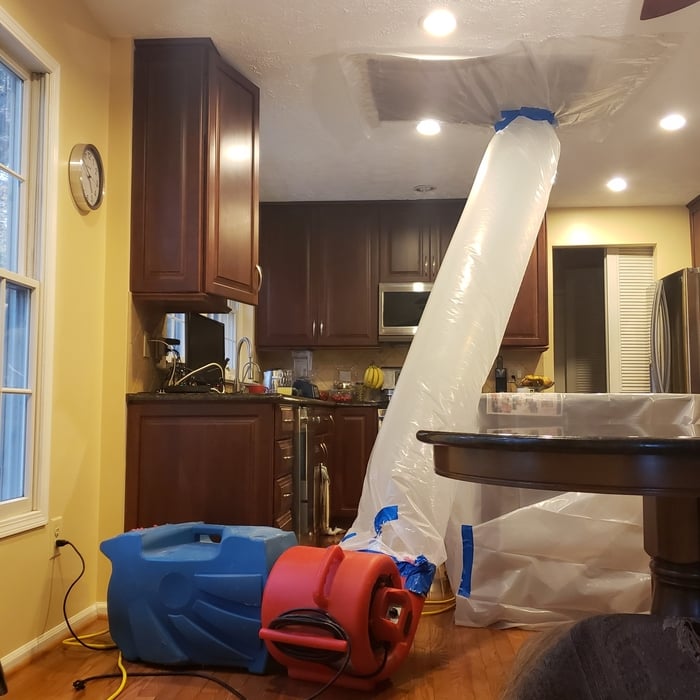
Drying bathroom wood subfloor from kitchen using indirect control heat, controlled by thermostat we set in place

+57

Recommended by88%of homeowners
Radon Detection and Reduction questions, answered by experts

Keeping radon from getting into your home is much better than having to get rid of it once it's already indoors. While there may not be a way to fully prevent radon from getting into your home, there are things you can do to reduce the gas's ability to enter. 

Sealing foundation cracks and openings can help keep the gas from seeping inside. Improving air flow, such as by opening windows, can also be helpful. If you're building your home from scratch, talk to your contractor about using radon-resistant construction to keep the gas out.

No level of radon is technically safe, but since it is present everywhere, complete avoidance is impossible. The average radon level in homes across the United States is 1.3 picocuries per liter (pCi/L). The Environmental Protection Agency (EPA) recommends taking preventative measures if your home's radon levels are between 2 and 4 pCi/L or higher.

Your radon fan needs to operate 24/7 to be effective. The only time the fan isn't operating is during its replacement. Radon levels in the home can increase within hours if the fan stops working or something obstructs the stack vent. Fortunately, radon systems require no downtime maintenance between fan changes.

A homeowner can install a radon mitigation system on their own. But it’s a challenging DIY that requires a lot of knowledge about radon mitigation as well as familiarity with local regulations. You do not want to risk an improper installation that leaves the system unable to detect radon or gives it a shortened life span. Relying on a professional is the surest way to guarantee a successful installation.

The lifespan of a radon mitigation system depends on the type of system and its maintenance. With proper care, a system can last for many decades. Passive systems tend to last longer as they have fewer components that require replacement. Active systems, which have more moving parts like fans, generally have a shorter lifespan. For instance, water filtration devices and active pressurization systems require more frequent maintenance. While the system as a whole is durable, the radon fan in an active system typically has a lifespan of 5 to 10 years and will need to be replaced. As long as the fan is working, the mitigation system should function correctly.

The Breezewood, PA homeowners’ guide to radon detection and reduction services

From average costs to expert advice, get all the answers you need to get your job done.