



Top-rated radon detection and reduction specialists.

Get matched with top radon detection and reduction specialists in Hedgesville, WV

Enter your zip and get matched with up to 5 pros

Need a pro for your radon detection and reduction project in Hedgesville, WV?

Select your specific project to find the pro for you.

Find Radon detection and reduction specialists in Hedgesville

Avatar for Flood Crew LLC
Flood Crew LLC
4.6(
40
)
Radon Gas - AbatementRadon Gas - Testing

Serving Hedgesville, WV and surrounding areas

In business since 2008

Free estimates

Emergency services offered

"I had a pipe burst in the basement of our rental property, Flood Crew was referred by our realtor. They arrived quickly after the pipe was fixed by our plumber, demoed, and dried out the areas, even handled packing out our furniture and placing carefully in a pod storage while the work was being done. They did mold testing and made sure everything was safe, the best part was that they dealt with the insurance and we didn’t have to do anything."
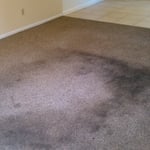
After carpets were cleaned.
Before and after of Medallion
After color sealed
Apartment carpet cleaning
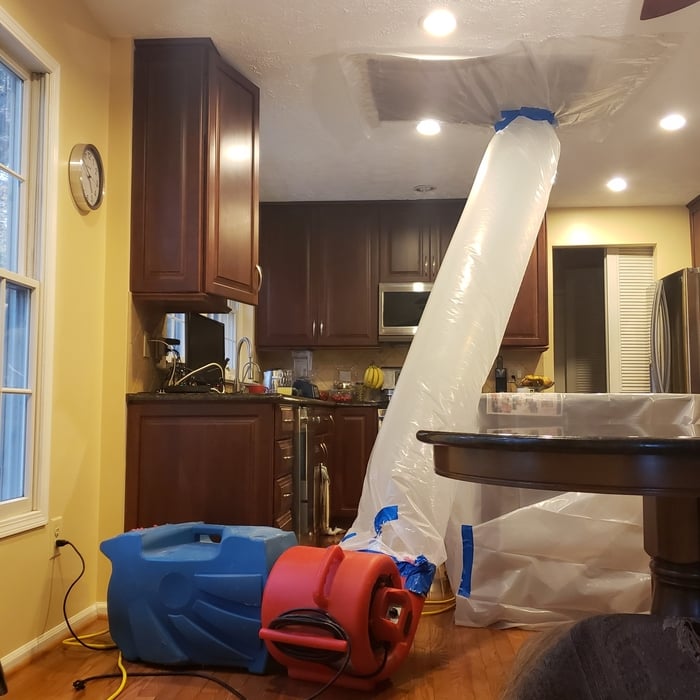
Drying bathroom wood subfloor from kitchen using indirect control heat, controlled by thermostat we set in place

+57

Recommended by88%of homeowners
Radon Detection and Reduction questions, answered by experts

Radon detection is crucial as prolonged exposure to radon gas, a leading cause of lung cancer, poses significant health risks in residential environments.

Testing every 2-5 years or upon adjusting occupancy or structural changes maintains safe environments.

There are steps you can take as a homeowner to remediate radon yourself. While a radon reduction professional can make the biggest impact in your home, you can make efforts to improve radon levels on your own by sealing cracks, increasing ventilation, and testing for radon regularly.

The natural breakdown of uranium in soil, rock, and water can cause radon to appear in a home. The gas seeps into homes through cracks in foundations, walls, or floors, as well as through gaps around pipes or construction joints. Radon levels are influenced by soil composition, building materials, and ventilation. Poorly sealed or airtight homes can trap radon, allowing it to accumulate.

Keeping radon from getting into your home is much better than having to get rid of it once it's already indoors. While there may not be a way to fully prevent radon from getting into your home, there are things you can do to reduce the gas's ability to enter. 

Sealing foundation cracks and openings can help keep the gas from seeping inside. Improving air flow, such as by opening windows, can also be helpful. If you're building your home from scratch, talk to your contractor about using radon-resistant construction to keep the gas out.

The Hedgesville, WV homeowners’ guide to radon detection and reduction services

From average costs to expert advice, get all the answers you need to get your job done.