





Top-rated plaster repair specialists.

Best plaster repair specialists near Millvale, PA

Enter your zip and get matched with up to 5 pros

Need a pro for your plaster repair project in Millvale, PA?

Select your specific project to find the pro for you.

TRUSTED BY MILLVALE, PA HOMEOWNERS

  • Average homeowner rating star icon4.6
    Average homeowner rating
  • Verified reviews icon222
    Verified plaster repairs reviews

Top-Rated Plaster repair specialists in Millvale - Updated Nov 2026

Avatar for Hughes Plastering
Hughes Plastering
4.9(
203
)
Plaster - Install - For BusinessPlaster - Repair - For Business

Serving Millvale, PA and surrounding areas

Approved

Super Service Award Winner

In business since 1991

Free estimates

Emergency services offered

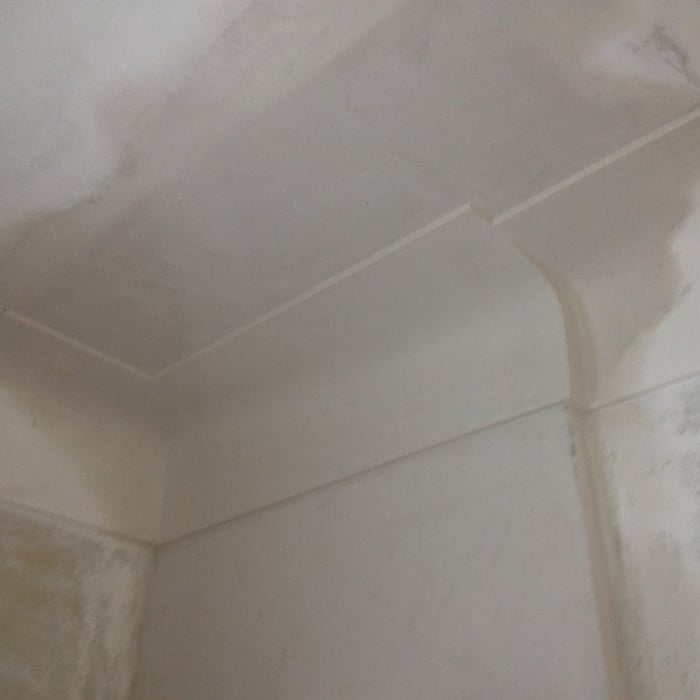
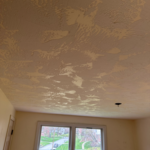
"I could not have been more pleased with Hughes Plastering. I spoke with Timothy Hughes over the phone. He was at my house promptly on time the next morning. I suffered from a damaged dining room ceiling, that was the result of a leaky roof. Timothy was courteous, worked effeciently, and left the room spotless when the repair was finished. I have a textured plaster ceiling and was concerned about matching the ceiling pattern. The result was flawless...it blended in perfectly! I highly recommend Timothy Hughes and his team!"
Addition To Home/Stucco Applications
Addition to home/Stucco Applications

+60

Response time5 hrs
Response rate87%
Recommended by93%of homeowners

Avatar for Traeger Plastering
Traeger Plastering
4.7(
80
)
Plaster - InstallPlaster - Install - For BusinessPlaster - Repair+1 more

Serving Millvale, PA and surrounding areas

Approved

In business since 1992

Free estimates

Customers say: True professional

"Tony and his team were great. They secured and protected the area with paper on the floor, plastic on the walls and zipped entryways where i needed them. They cut out the sagging areas in the ceilings, put up blue board and plastered the ceilings in less than 2 days. They also took great care to blend the plaster into my crown moulding on the first floor ceiling, so that I wouldn't have to remove and replace it. The blending work between the ceilings and the walls was brilliant, and the finish was completely smooth. From the results, you'd never guess that the ceilings originally had a circular pattern that looked like someone had used a plunger to texturize it. They also did such a good job cleaning up. If I have another plaster job, I'd hire them in a heartbeat."

+2

Response time2 days
Response rate100%
Recommended by97%of homeowners
Avatar for Deasy Chief Contracting
Deasy Chief Contracting
5.0(
3
)
Plaster - Install - For BusinessPlaster - Repair - For Business

Serving Millvale, PA and surrounding areas

Approved

In business since 2015

Free estimates

Offers commercial services

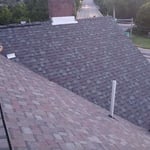
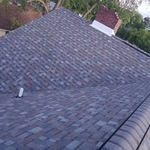
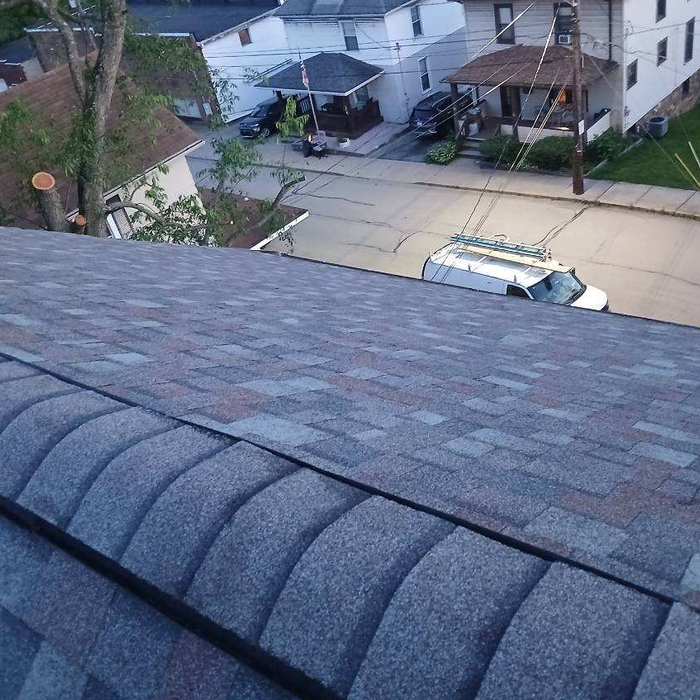
"Jim (owner)called me immediately and scheduled an appointment for the next day. He was there on time(so rare today). He had an estimate to me quickly and started the job the next week. He not only did a phenomenal job installing a new roof but also fixed existing deck issues from a previous contractor. He had the entire job completed on time(also very unusual today). Jim was great to work with, he was easy to reach and always returned my phone calls. I would highly recommend DEASY Chief Contracting and will definitely use for any future work."
Roof
Roof
Roof
Roof
Roof

+12

Response time10 hrs
Response rate88%
Recommended by100%of homeowners
...
Showing 1-10 of 130
Plaster Repair FAQs, answered by experts

Yes, you can speed up the time it takes for plaster to dry, but it's important to do so carefully to avoid issues like cracking or crumbling. Proper ventilation is key; open a window or use a fan to circulate air in the room. Heat can also accelerate drying, but be cautious, as too much heat can cause the plaster to dry too quickly and crack. Check the plaster's packaging for the recommended drying temperature and set the room's thermostat accordingly. While managing humidity is important, avoid using a dehumidifier, which can remove moisture too aggressively and result in crumbly plaster.

If your home was built before the 1940s and was not remodeled in the past 50 or so years, you probably have plaster walls. Aside from assuming, there are some practical ways to tell if you have plaster walls, including the following: If you knock on the wall and it feels solid, not hollow, if you can’t insert a thumbtack easily, if there are cracks that look like spiderwebs, or if your home has curved, arched, or swirled walls, doorways, or window openings.

If you have an unfinished basement or attic, you could examine the backs of any finished walls to check, too.

Plastering and skimming are two different techniques for finishing walls. Plastering involves applying a thick layer of a plaster mixture—typically containing gypsum, lime, cement, sand, and water—to create a new surface. This process often requires multiple coats and is used for repairing significant damage or creating decorative textures. Skimming, on the other hand, is a technique that involves applying a thin layer of drywall compound or joint compound over an existing surface to smooth it out, covering minor imperfections, small cracks, or uneven textures for a polished look. Plastering is generally more costly and labor-intensive than skimming. Although some people use the terms interchangeably, they refer to different processes and materials.

If the holes in the plaster are small, you can fill them with layers of patching plaster until they’re filled. After it dries, you can sand the plaster and paint over it. If the hole is much larger, consider using bonding plaster first and then a layer of patching plaster, completing the process with sanding and a layer of paint.

Although they have similar applications, spackle and joint compound are not the same. Their primary differences lie in their composition, consistency, and ideal use cases.

Spackle is composed of gypsum and binding agents, making it thicker than joint compound. It dries quickly and is easy to sand, which makes it ideal for small wall repair projects like filling nail holes or patching minor damage.

Joint compound, also known as drywall mud, consists of limestone and gypsum. It is primarily used for large-scale projects, such as taping and finishing the seams on newly installed drywall. It tends to shrink more than spackle and can be more difficult to spread.

While both products can be used to fill small depressions and cracks, spackle cannot replace joint compound for taping and mudding new drywall. Conversely, you can often use joint compound for small patching jobs typically done with spackle.

The Millvale, PA homeowners’ guide to plaster repairs

From average costs to expert advice, get all the answers you need to get your job done.