


Top-rated excavation pros.

Get matched with top excavation pros in Lansdowne, PA

Enter your zip and get matched with up to 5 pros

Need a pro for your excavation project in Lansdowne, PA?

Select your specific project to find the pro for you.

TRUSTED BY LANSDOWNE, PA HOMEOWNERS

  • Average homeowner rating star icon4.1
    Average homeowner rating
  • Verified reviews icon41
    Verified excavation services reviews

Find Excavation pros in Lansdowne

Avatar for Fabiano's Construction
Fabiano's Construction
4.8(
76
)
Building Site - Preparation and Clearing

Serving Lansdowne, PA and surrounding areas

Approved

Super Service Award Winner

In business since 2020

Free estimates

Small jobs welcome

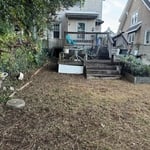
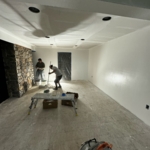
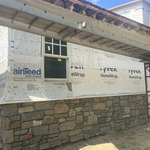
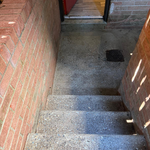
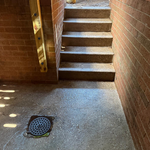
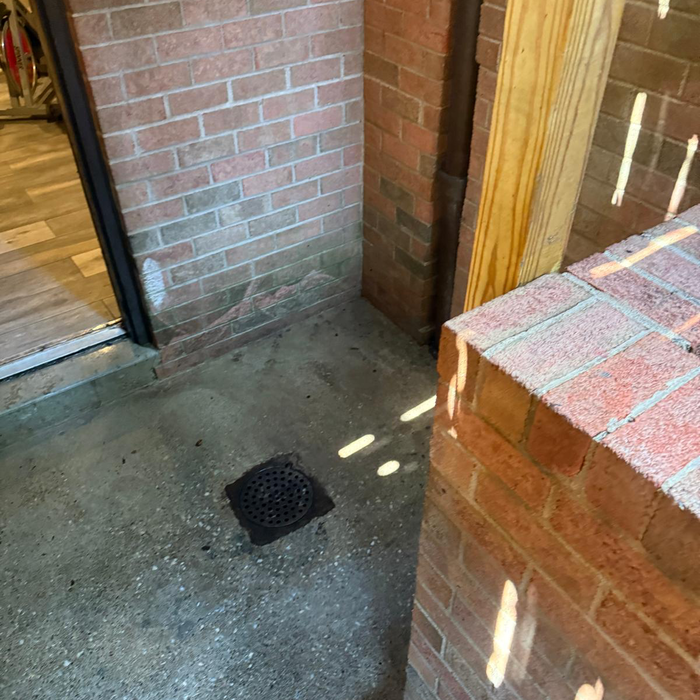
"Fabiano Construction did a great job repairing and replacing old basement stairs. They corrected work that was incorrectly done. I was very impressed with the workmanship and efficiency. The job was completed on time.They cleaned up and gave me nice spce. I can recommend without reservation."
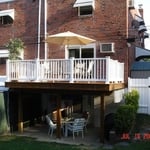
decks
decks
decks
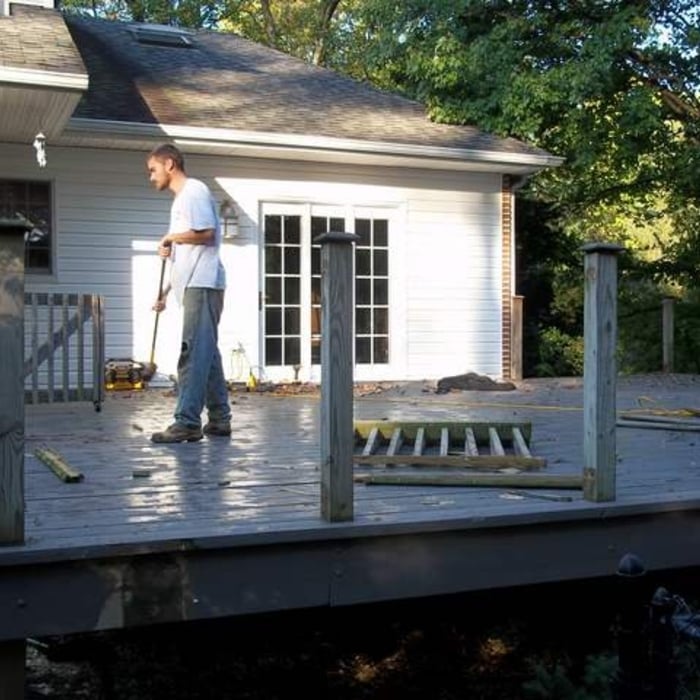
decks
decks

+6

Response time4 days
Response rate100%
6 neighbors recently requested a quote
Tri-State Brother's Professional Cleaning, Inc.
New to Angi
Building Site - Preparation and Clearing - For BusinessExcavation - Major Grading or Resloping - For Business

Serving Lansdowne, PA and surrounding areas

Approved

In business since 2011

Free estimates

We are a locally owned and operated company that values honesty and integrity and treats your home as if it were our own. We offer a variety of quality cleaning and janitorial services. You will find us to be competitively priced with close attention to the details of each and every project that we are involved with. We look forward to building lasting relationships and guarantee your satisfaction!

Response time1 day
...
Showing 1-10 of 176
Excavating questions, answered by experts

There is no standard depth for burying a septic tank; they are typically buried anywhere from 4 inches to 4 feet underground. The final depth depends on several factors, including the depth of your main sewer line, the height of the bedrock, soil type, local regulations, and the property's landscape. If you plan to grow grass or plants over the tank, a depth of at least 4 to 6 inches is recommended. Deeper tanks can be more difficult to locate, but a septic professional can help find it for you.

Prior to excavation, you should prepare the dig site and call 311 before you sign anything.

To get your site ready for excavation, you should move anything in the area that isn’t affixed to the land. You can save money on the excavation by removing hardscaping, including walkways, decks, concrete patios, and paver patios.

Before you carry out any digging, you should call 311 to confirm that there are no utility lines running through your excavation site. Skipping this step could lead to severe injury and property damage if your excavator hits a water, sewage, or gas line.

A perc test can take anywhere from one to eight hours to complete. The total time depends on factors like the amount of excavation required, the depth and width of the holes, and whether multiple test holes are needed. For a single hole, the process of filling it with water and monitoring the drainage rate usually takes less than an hour. Professionals can often complete the entire test in a single day. While it's possible to get results the same day, some companies may take a few days to provide the official report.

Professional installers often include a deep layer of crushed gravel under permeable pavers to allow more runoff to soak through into the soil below. Many installations will include multiple layers of gravel, with coarser aggregate at the base and finer aggregate that sits on top of that bottom layer. Above the gravel, you’ll often find coarse sand that helps reduce paver shifting over time. Some permeable paver designs include a water collection system set into the gravel layer to route runoff to a safe area for disposal.

You can bury underground electrical wire six inches deep—but only if you use a rigid metal electrical conduit. For rigid, non-metallic conduits, bury the wire at least 12 inches deep. If using an underground feeder cable rated for direct burial, you'll need to place it at least 18 inches deep, as it has no conduit for extra protection.

The Lansdowne, PA homeowners’ guide to excavation services

From average costs to expert advice, get all the answers you need to get your job done.