
Top-rated drywall pros.

Best drywall pros near New Stanton, PA

Enter your zip and get matched with up to 5 pros

Need a pro for your drywall service project in New Stanton, PA?

Select your specific project to find the pro for you.

Top-Rated Drywall pros in New Stanton - Updated Nov 2026

Avatar for Rapid Repair Facility Services, LLC
Rapid Repair Facility Services, LLC
5.0(
7
)
Drywall - Repair - For Business

Serving New Stanton, PA and surrounding areas

Approved

In business since 2023

Free estimates

Emergency services offered

"Rapid Repair did a fantastic job on my drywall project. He was efficient, did quality work, and the cost was reasonable. I will definitely be using this company again for my next project!"
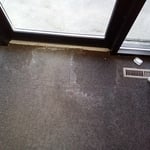
Salt damaged carpet tile
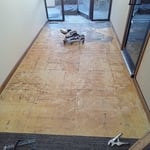
Carpet tile stripped
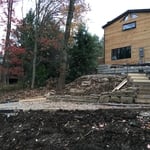
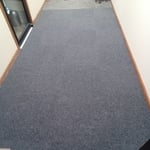
View from the front entrance
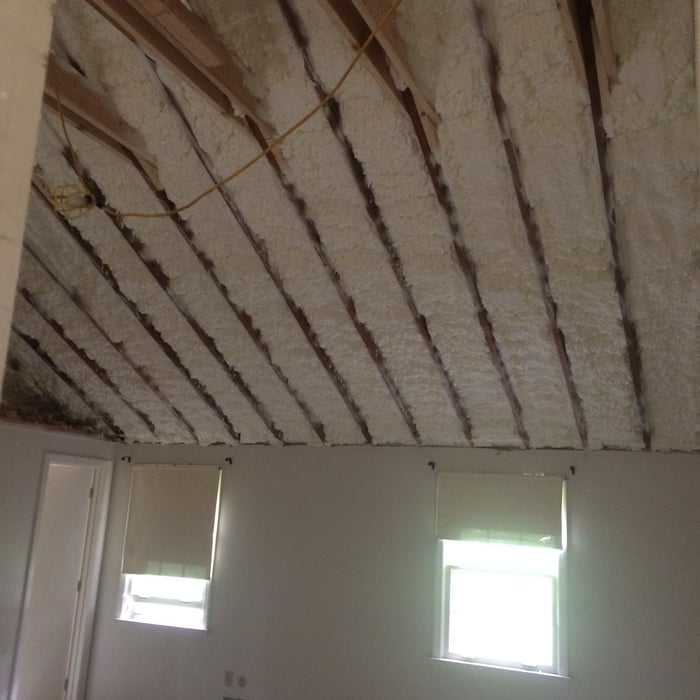
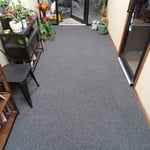
View from the hallway
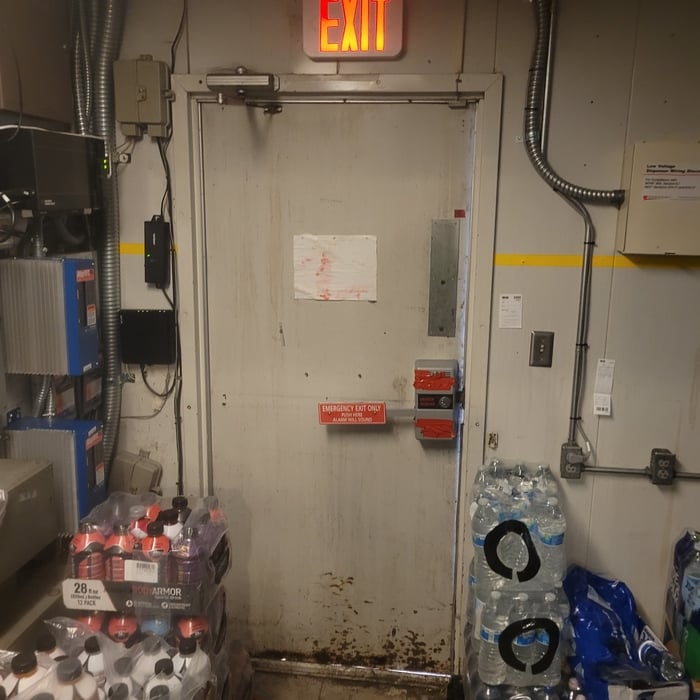
Door - interior

+28

Response time4 hrs
Response rate97%
1 neighbors recently requested a quote
Mr. Universal
4.7(
14
)
Drywall - Install - For BusinessDrywall - Repair - For Business

Serving New Stanton, PA and surrounding areas

Approved

In business since 2025

Free estimates

Small jobs welcome

"Along with installing new bedroom and closet doors, the contractor also installed vinyl plank flooring in our living room, dining room, and bedrooms. He also hung our dining room chandelier, and installed moon lights above our fireplace. His attention to detail in his work was impeccable and he completes the job in a timely manner. I would recommend his services to anyone looking to have work done on their home."
105 neighbors recently requested a quote
Avatar for Mr. Handyman of Pittsburgh East Suburbs and Greensburg
Mr. Handyman of Pittsburgh East Suburbs and Greensburg
3.9(
22
)
Drywall - InstallDrywall - Repair

Serving New Stanton, PA and surrounding areas

Approved

In business since 2019

Warranties offered

Small jobs welcome

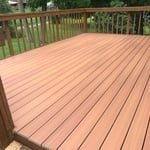
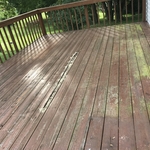
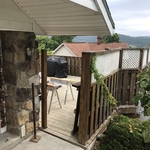
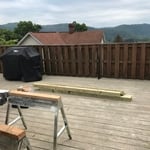
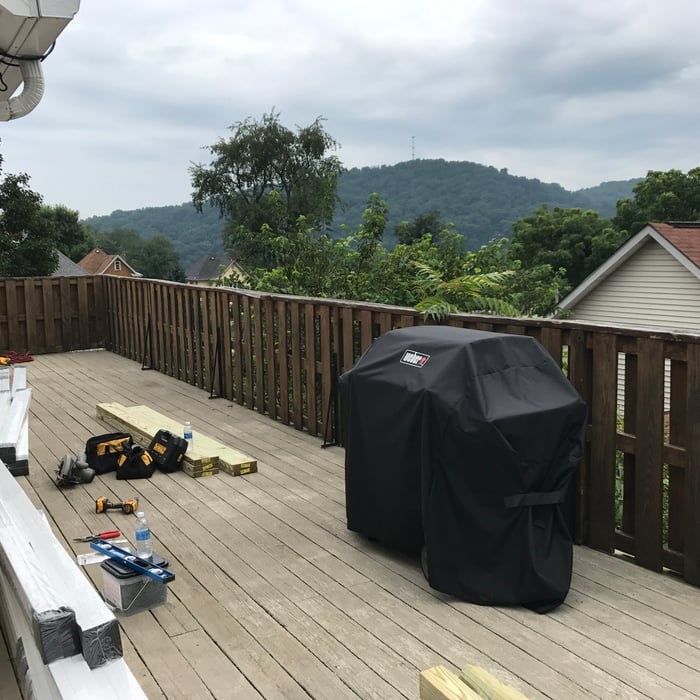
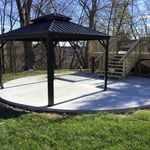
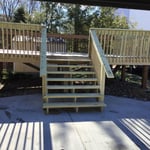
"Amazing group of repair professionals. I highly recommend Mr. Handyman Pittsburgh East. The deck on my house needed to be replaced. Rick, the Project Manager, and Todd, Chuck, Shawn and Jack, the service techs who worked on the deck, were excellent, very professional and neat, cleaning up every day. When I started talking with Rick about this project, I thought it wasn't going to possible for me to have everything taken care of in one undertaking. I must admit that cost was the major stumbling block. The deck is large and lumber/material costs took my breath away. But Rick worked with me, adjusting the materials and the design and making suggestions to help me make it happen! The deck was completed yesterday and I couldn't be happier. I now have a lovely place to sit and enjoy the day and my dog Spencer has a safe place to play outside. Thank you so much for all of your patience, kindness and, of course, excellent work!"
Outdoor living space
Gazebo
New deck stairs
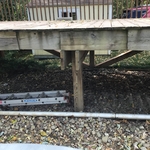
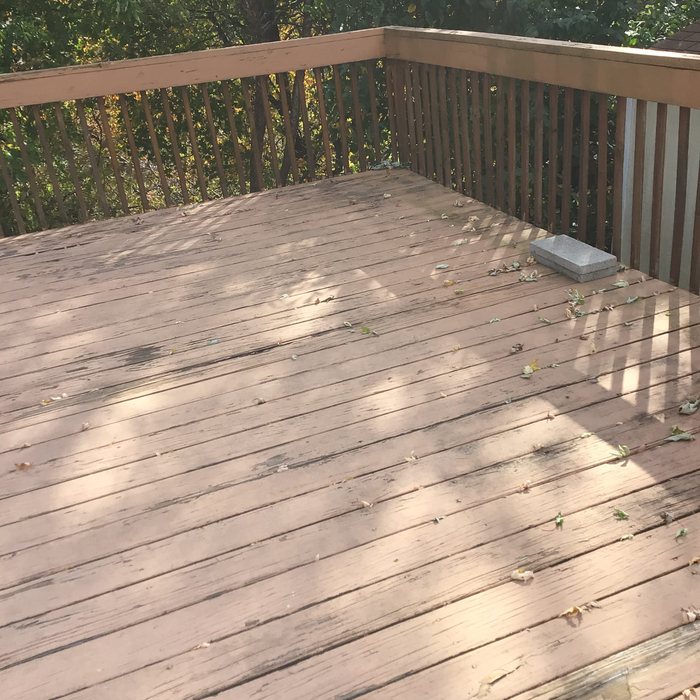
Old deck
Old decking

+27

Recommended by68%of homeowners
...
Showing 1-10 of 201
Drywall FAQs, answered by experts

Although they have similar applications, spackle and joint compound are not the same. Their primary differences lie in their composition, consistency, and ideal use cases.

Spackle is composed of gypsum and binding agents, making it thicker than joint compound. It dries quickly and is easy to sand, which makes it ideal for small wall repair projects like filling nail holes or patching minor damage.

Joint compound, also known as drywall mud, consists of limestone and gypsum. It is primarily used for large-scale projects, such as taping and finishing the seams on newly installed drywall. It tends to shrink more than spackle and can be more difficult to spread.

While both products can be used to fill small depressions and cracks, spackle cannot replace joint compound for taping and mudding new drywall. Conversely, you can often use joint compound for small patching jobs typically done with spackle.

Certain drywall textures, like sand and sometimes popcorn, can be smoothed by applying skim coats, sanding the walls, or chipping away the texture. However, it’s worth considering removing the texture and starting with a blank canvas. Smoothing textured walls requires a lot of sandpaper and elbow grease and can take longer than just outright removing the texture.

Yes, even if you’re being careful, removing tile can damage your drywall to some degree. However, you can minimize the damage done to it by eliminating a majority of the grout and taking your time prying each tile off. Also, it's worth noting that you might have more drywall damages to deal with if your tile is set into the mortar.

Vinegar and bleach are effective options for removing mold from drywall. Vinegar is a better choice if you have a smaller mold issue while bleach is best if you have a larger mold problem. If the area you're cleaning has limited ventilation, using vinegar would be a better option. In that case, you could mix vinegar with baking soda to remove more stubborn mold growth.

You should always hang drywall from the top down. Starting at the top makes it easier to create a straight, tight line between the ceiling and the wall. Any gaps that occur will be at the bottom, where they are easier to manage. You can either cut the bottom piece of drywall to fit the remaining space or cover the gap with baseboard trim. Additionally, starting at the top is physically easier, as you won't have to fit the top sheet into a tight space between the lower sheet and the ceiling, or try to balance the upper sheets on the lower ones while securing them.

The New Stanton, PA homeowners’ guide to drywall services

From average costs to expert advice, get all the answers you need to get your job done.