


Top-rated electricians.

Best electricians near Enola, PA

Enter your zip and get matched with up to 5 pros

TRUSTED BY ENOLA, PA HOMEOWNERS

  • Average homeowner rating star icon4.7
    Average homeowner rating
  • Verified reviews icon539
    Verified electrical services reviews

Top-Rated Electricians in Enola - Updated Nov 2026

Avatar for Freedom Electrical LLC
Freedom Electrical LLC
4.9(
53
)
Electrical Wiring or Panel Upgrade

Serving Enola, PA and surrounding areas

Approved

In business since 2022

Free estimates

Emergency services offered

"I'm incredibly happy with our install and electrical work. We had recess lighting and 3 junction boxes with fans/lighting installed. The team was knowledgable and professional from initial quote through to cleanup. They go above and beyond, investing in craftsmanship and quality, charging reasonable prices and sticking to their quote. I'll definitely be calling Freedom Electric for all of our future electric work."
LED barn lighting installed
Dimmer installed
EV charging station
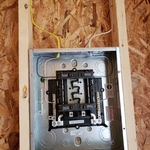
Panel upgrade
Panel upgrade

+2

Response time2 days
Response rate100%
1 neighbors recently requested a quote

Avatar for BHI Installations
BHI Installations
4.8(
131
)
Appliance (Major Electric Appliance) - Install or Replace

Serving Enola, PA and surrounding areas

Approved

In business since 2002

Free estimates

Credit card accepted

"Billy installed my ceiling fan in under a half an hour. He was very professional, and very personable. I WILL be contracting Billy again to install an outlet in my kitchen, and will contract him in the future for any of my electrical needs."
Response time40 mins
5 neighbors recently requested a quote
Recommended by98%of homeowners
Avatar for W B Lightning Rods
W B Lightning Rods
4.6(
372
)
Lightning Protection - Install or Repair

Serving Enola, PA and surrounding areas

Approved

In business since 2001

Free estimates

Warranties offered

"Used this company previously and again it was a pleasure from beginning to end. I would give him 10 Stars if I could. Referred William to a close friend of mine and she was just as pleased. We both sleep better during our bad Florida thunderstorms. A friend of mine lost their home due to lightning. They got out just in time couldn’t save anything but their lives barely. I urge all to install lightning rods."
lightning protection
 Residential LPS
lightning protection
 Residential LPS
lightning protection

+79

Response time1 day
110 neighbors recently requested a quote
Recommended by96%of homeowners
...
Showing 1-10 of 349
Electrical FAQs, answered by experts

Choosing between 12- or 14-gauge wire for your house depends on the electrical requirements of the circuit. A 12-gauge wire is thicker and can handle more power, making it better suited for devices such as kitchen appliances, air conditioning units, or electric heaters.
A 14-gauge wire is thinner and can handle less electrical current than a 12-gauge wire. It's ideal for circuits with lower power requirements, such as lighting or general-purpose outlets in bedrooms or living rooms.

Volts and watts aren’t directly convertible units—they measure different aspects of electricity. Volts measure electrical potential, while watts quantify the power. The relationship between the two is defined by the equation: Power (watts)= Voltage (volts) x Current (amperes). In other words, the product of volts and amps results in watts, but there is no fixed conversion of volts into watts.

Yes, wire connectors are the better option for securing splices compared to electrical tape. It is not recommended to use electrical tape as it is not secure enough to keep the splices together. Plus, electrical tape is more vulnerable to damage, which can cause a risk of fire over time. 

If you’re wondering whether an electrical panel in the bathroom needs to be moved, the answer is yes. Due to the risks of shocks and electrical fires, electrical panels cannot be located in bathrooms per National Electric Code Volume 70. Additionally, gasses, vapors, liquids, and temperature fluctuations can all compromise the functionality of your electrical panel, so it’s important to install it in a dry, cool, safe, and easily accessible location.

Yes, hot tubs can use a significant amount of electricity, primarily to keep the water heated. A typical hot tub uses between 1,500 and 6,000 watts, and the pump can add another 1,500 watts. This usage can result in a monthly cost of around $20 to $30. The exact amount of electricity consumed depends on several factors, including the hot tub's age, size, heater voltage (120V vs. 240V), usage habits, and thermostat setting. Newer, energy-efficient models generally use less power than older ones. To reduce electricity costs, consider investing in an energy-efficient model, using a quality insulated cover with a thermal blanket, and keeping the filters clean.

The Enola, PA homeowners’ guide to electrical services

From average costs to expert advice, get all the answers you need to get your job done.