"They relocated an electrical outlet for my dryer, installed a ceiling light fixture and wall switch and investigated a flickering outdoor fixture. They did good work and were very professional."
"This contractor is very professional and courteous. He is always on time and has been a pleasure to work with. Iâ ve hired him for several different jobs and they have all been completely in a timely manner. Please hire him I guarantee you wonâ t be disappointed."
The problem with most "pros"? Too many bad habits.\nIt's easy to get swept away in the day to day monotony, even for those that call themselves "pros". When it comes to hiring a heating and cooling technician, nobody wants to deal with being treated like a sale rather than a person, the use of scare tactics instead of education, or someone who just wants to get to job done quickly instead of correctly. \nAll our HVAC pros go through 5 years of HVAC schooling, for a total of 10,000 hours of on-the-job training. And it's not just technical training either; it's training that focuses on you, on making you feel comfortable every step of the way. We will roll out the red carpet for you, both figuratively and literally.\nRed Carpet Treatment\nDuring every visit to a home, we lay out an actual red carpet to prevent any additional mess. But what may be even more important than just protecting your home is making sure you feel like you've received the best in customer service.
Your go-to electrician for dependable repairs, lighting, and home electrical upgrades.Graduated from Parkway West, familiar with code and safety standards. OHSA 10 Certified.
One man show\nCarpenter/Handyman for over 20 years\nKind and priced fairly\nNo charge for advice and/or quoting\nOn time and always find a way to fit you in if there is a rush\nCan give discounted rate if you want to help out\nI am here for you and can change/alter/negotiate and meet you where you are at
Hello! my name is dan Ferrone. i have a background in various trades including plumbing, HVAC, laborer, sprinkler fitting, and carpentry. As a well rounded handyman id love to help with any task thrown my way and make sure to be kind and respectful to every homeowner i come to do tasks for. if you are not satisfied with the work i do i am more than willing to redo work or negotiate pricing. I'm verry easy to deal/communicate with, currently looking for any tasks i feel 100 percent comfortable doing as a side gig. Looking forward to working with you!
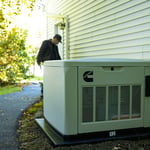
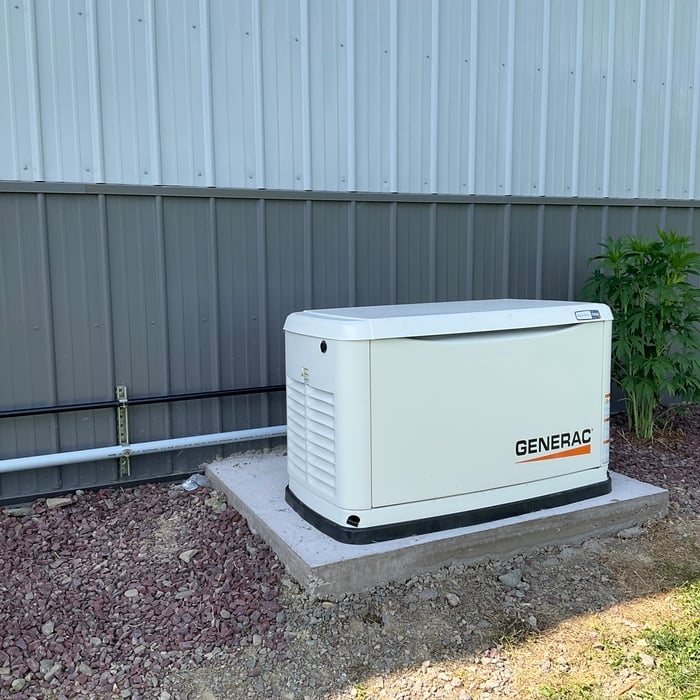
Whole-house generators need to be installed on level ground several feet away from walls and other objects. Because they tap into the electrical system directly, they usually need to be close to your home electrical panel for a transfer switch installation. It also helps with installation if they are near to a gas line or propane tank installation.
If you’re wondering if you can use your electric vehicle as a backup battery, it depends on whether your EV is compatible with bidirectional charging. This technology allows energy to flow both ways, enabling vehicle-to-home (V2H) backup power, vehicle-to-load (V2L) for appliances and camping, and vehicle-to-grid (V2G) to support the power grid. Compatible EVs convert stored DC energy into usable AC power, helping reduce energy costs and enhance grid stability while providing emergency backup power.
If your home already has a grinder pump and you’re still noticing issues (like frequently clogged toilets and sinks), it could be time to upgrade your grinder pump. Start by checking your existing horsepower. If there are four or fewer people living in your home, using a 1/2-horsepower grinder pump should be sufficient. Larger households should consider investing in a 1-horsepower grinder pump to maximize wastewater removal efforts.
Energy output depends on turbine size, average wind speed at your site, and system efficiency. A 5 kW turbine in a good wind location can generate 8,000 to 12,000 kilowatt-hours per year, which may cover a large portion of an average home’s needs. Accurate output estimates require a professional wind assessment and a review of your household’s energy usage patterns.
If you have a transfer switch properly installed, the generator and main electrical power cannot feed the system at the same time. However, you should still shut off the power at your main circuit breaker panel before activating the generator. If you do that, you’ll simply need to shut off the generator and reset your circuit breaker once the local power comes back on.
The Duquesne, PA homeowners’ guide to generator installs
From average costs to expert advice, get all the answers you need to get your job done.
Natural gas generators are whole-home standby generators that are connected to your home’s natural gas line. The average cost for a natural gas generator is $12,000.
Generators should give you peace of mind, but you’ll only get that if your installer knows what they’re doing. Learn how to hire a pro and what red flags to look for.
Thinking about a generator installation? Learn about backup power options, costs to expect, and how to hire the right local pro to keep your home running.