





Top-rated insulation pros.

Get matched with top insulation pros in Yamhill, OR

Enter your zip and get matched with up to 5 pros

Need a pro for your insulation service project in Yamhill, OR?

Select your specific project to find the pro for you.

TRUSTED BY YAMHILL, OR HOMEOWNERS

  • Average homeowner rating star icon4.6
    Average homeowner rating
  • Verified reviews icon44
    Verified insulation services reviews

Find Insulation pros in Yamhill

Avatar for Northwest Weatherization
Northwest Weatherization
4.8(
154
)
Blown-In Insulation - Install or UpgradeBatt, Rolled or Reflective Insulation - Install or UpgradeInjection Insulation - Install+2 more

Serving Yamhill, OR and surrounding areas

Approved

In business since 2010

Free estimates

Credit card accepted

"We re-sided our 1929 house recently, and during the tear-off phase it was the perfect time to have blown-in insulation performed to insulate our exterior walls. Ryan and his crew worked quickly and we are so much more comfortable with our walls finally insulated. We had a minor repair needed as a result of the drilling, and the company worked quickly to resolve it to our satisfaction. I will happily recommend them to others, and feel like this project pays for itself quickly in terms of energy efficiency and comfort."
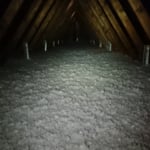
Attic Blow
Our tech went out to check the progress of the job, customer service is our priority.
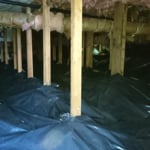
Crawlspace
Wall drill & blow
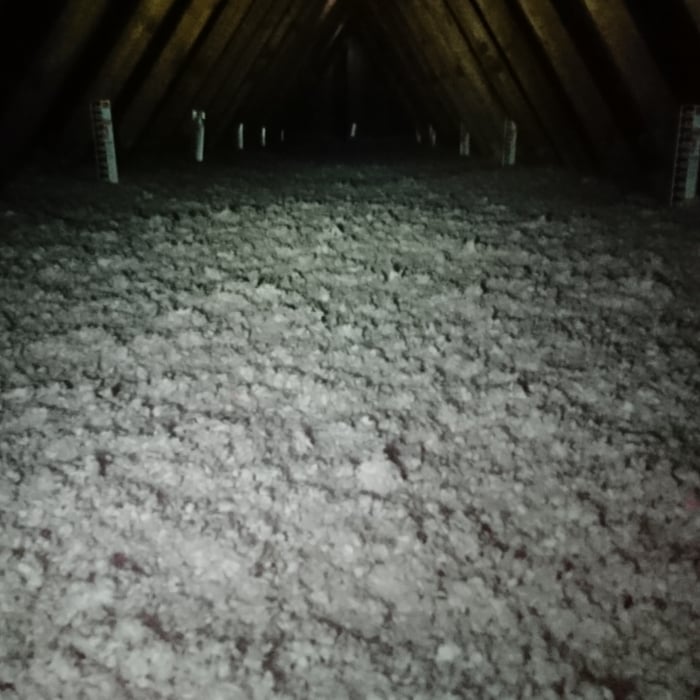
Attic Blow

+12

12 neighbors recently requested a quote
Recommended by94%of homeowners

Avatar for Westside Drywall, Inc.
Westside Drywall, Inc.
4.1(
121
)
Spray Foam Insulation - InstallInjection Insulation - Install

Serving Yamhill, OR and surrounding areas

Approved

In business since 1979

Free estimates

Emergency services offered

"Did a great job of installing insulation and drywall however, they cracked a wall when installing the drywall, they hammered rather than screw it into the studs. Now I must repair the cracked wall. Somehow my compact florescent light also disappeared from the laundry room . They also initially wanted to put the R-30 insulation on top of the R-11 that was already in the ceiling. When compressed the insulation would have lost some of its insulating capabilities so I had to tell them not to do that. Seems they should have known this."
Before Restoration
Blow In Blanket System
During Wall Injection
Before Restoration
Complex Window Design

+18

14 neighbors recently requested a quote
Recommended by97%of homeowners

Sierra NW Insulation, LLC
5.0(
4
)
Batt, Rolled or Reflective Insulation - Install or UpgradeBlown-In Insulation - Install or UpgradeInjection Insulation - Install+1 more

Serving Yamhill, OR and surrounding areas

Approved

In business since 2018

Free estimates

Customers say: True professional

Residential retro and new construction Insulation installment in attic, walls, and crawl. We install or upgrade blown-in, batt, rolled, and reflective insulation. We are an affordable family owned business that has 20+ years working for big companies in our area.

Recommended by100%of homeowners
Avatar for Renewal Renovations, LLC
Renewal Renovations, LLC
5.0(
12
)
Batt, Rolled or Reflective Insulation - Install or UpgradeBlown-In Insulation - Install or Upgrade

Serving Yamhill, OR and surrounding areas

Approved

In business since 2009

Free estimates

Warranties offered

"Kirk and his team helped investigate the source of a leak, remove and replace caulking, and repair drywall. They were efficient and did no more than necessary. Project came in slightly under the estimate as a result. I'm very thankful and pleased with their work."
Deck Creations!
New Siding Installation
Kitchen Remodel
Roof Installation
Awning Construction

+34

Response time4 hrs
Response rate98%
Recommended by100%of homeowners
...
Showing 1-10 of 55
Insulation questions, answered by experts

Yes, even though frost-free and freeze-proof faucets are designed to withstand winter weather, it is still recommended to cover them with an insulated cap, especially during periods of extreme cold. These faucets work by keeping excess water inside the home's heated space and using a downward slope to drain, but this protection can be compromised. For the faucet to work correctly, you must always disconnect any attached hoses before temperatures drop below freezing, as a hose can trap water and lead to freezing. Ultimately, covering all outdoor faucets, even freeze-proof models, is the best way to prevent frozen and burst pipes.

EIFS (Exterior Insulation and Finish System) siding can last from 20 to 60 years, with some properly maintained systems lasting even longer. The exact lifespan depends heavily on several factors, most notably the quality of the initial installation and the consistency of maintenance.

Factors that can shorten the life of EIFS include:

  • Improper or poor-quality installation

  • Moisture intrusion

  • Damage from high winds, storms, or hail

  • Damaged flashing and sealant

  • Lack of regular maintenance and unfixed damage

To maximize the lifespan of your EIFS, it is crucial to hire an experienced and qualified professional for the installation. Additionally, regular maintenance—such as cleaning, repairing small cracks or blisters, and having the system professionally inspected—will help identify and resolve issues quickly, preventing long-term damage.

An outdoor spigot needs some attention before the temperatures begin to drop. Using an insulative cover is just one part of minimizing a frozen spigot and pipes. You’ll also need to shut off the water and drain the spigot, which leaves as little water as possible in the pipes to prevent freezing.

While freezing pipes are less of a concern in warmer climates, pipe insulation can still be beneficial because it helps prevent condensation on cold water pipes, reducing the risk of moisture-related issues like mold growth. It also helps maintain water temperature, reducing the energy needed to heat and cool the water, which can ultimately lower your utility bills.

The amount and type of insulation your home needs depends on your location, climate, and the specific installation area (attic, walls, or floors). Your local building code will typically determine the minimum required R-value. For specific recommendations, Energy Star suggests the following R-values: homes in the Southern U.S. should have R30 to R60 in attics and R13 to R25 in floors and walls; homes in moderate climates need R38 to R60 in attics and R25 to R30 in floors and walls; and homes in northern states require R49 to R60 in attics and R25 to R30 in floors and walls.

The Yamhill, OR homeowners’ guide to insulation services

From average costs to expert advice, get all the answers you need to get your job done.