
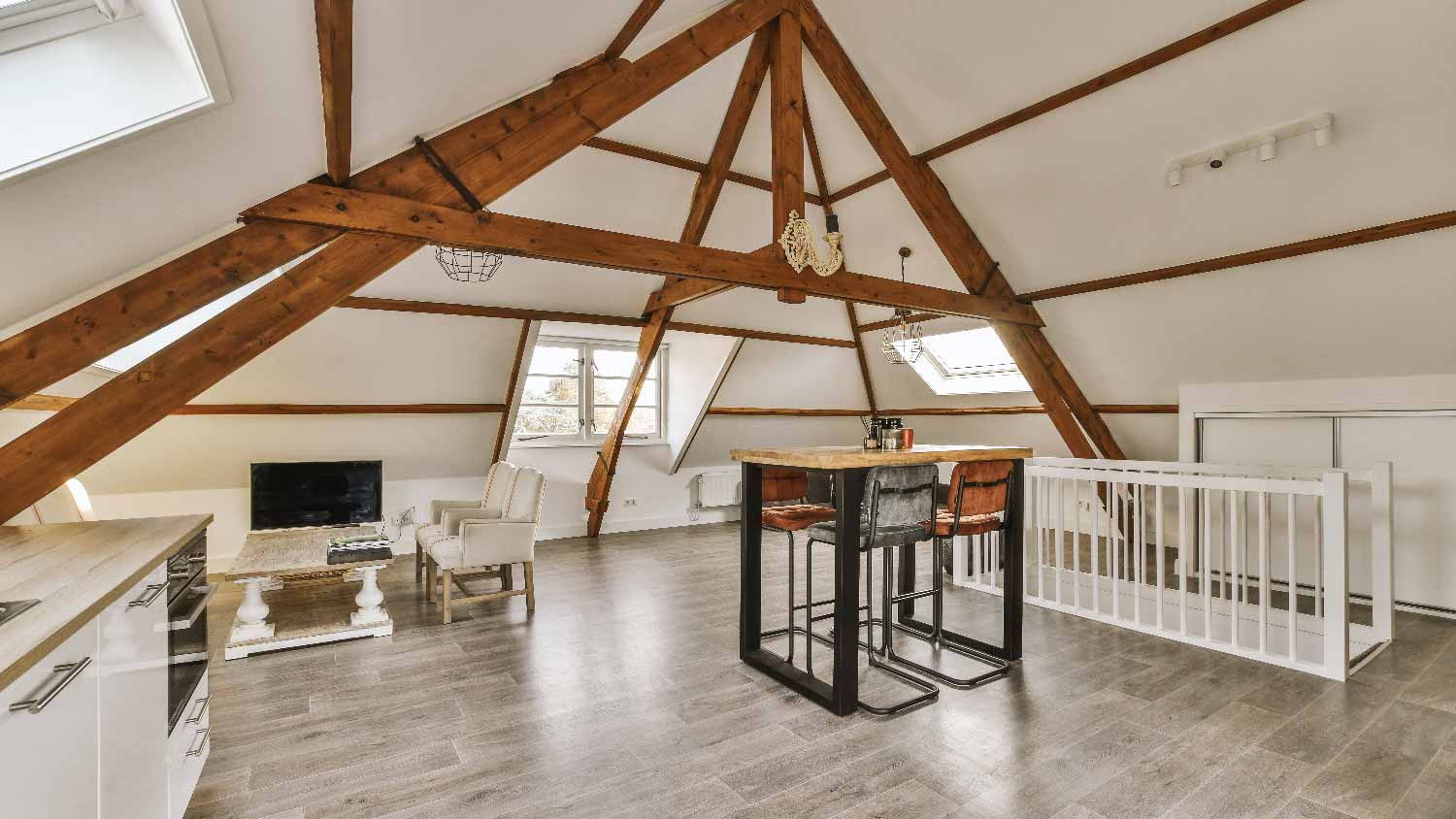
How much does a radiant barrier cost? Our guide breaks down prices by type of barrier and size of your attic space.
Staying cool is a whole lot easier with a radiant barrier on your side

A radiant barrier reflects up to 97% of radiant heat away from your attic, keeping your home cooler and reducing your need for air conditioning.
Expect to pay $1,070 to $2,635 for professional radiant barrier installation, with average costs around $1,850 depending on your home's size and setup.
You get the best energy efficiency when you combine a radiant barrier with traditional insulation, as each addresses different types of heat transfer.
Hiring a local attic insulation professional takes the guesswork out of placement and material selection, helping you maximize cooling benefits and long-term energy savings.
If you are in the midst of building or remodeling a home, the question "What is a radiant barrier?" is likely at the top of your mind. This building material helps keep your home cool by transferring heat. Learn more about radiant barriers, including how they work and what types are available to you.
A radiant barrier is a type of building material designed to reduce heat transfer through radiation, particularly in attics and roofs. Typically made of reflective materials like aluminum foil, radiant barriers are installed in homes and commercial buildings to improve energy efficiency. They work by reflecting radiant heat away from living spaces, keeping interiors cooler in hot weather, and reducing the need for air conditioning.
Radiant barriers cost $1,850 on average, though they range between $1,070 and $2,635 to install. Radiant barriers are most effective in warm climates where cooling bills are significant. By reflecting up to 97% of radiant heat, they help lower indoor temperatures and can result in lower energy bills.
Installing a radiant barrier is often recommended in combination with insulation, as they serve different purposes: insulation slows heat transfer, while radiant barriers reduce heat gain.

A radiant barrier works by reducing heat transfer through radiation, which is one of the three methods of heat transfer, alongside conduction and convection. By minimizing heat gain, radiant barriers can improve energy efficiency, comfort, and potentially extend the life span of HVAC systems.
Here’s how it functions:
Reflective surface: Radiant barriers are made from reflective materials, such as aluminum foil, which can reflect up to 97% of radiant heat. When radiant heat from the sun strikes the barrier, it is reflected away from the living space instead of being absorbed.
Placement: Radiant barriers are often installed in attics, either on the underside of the roof or on the attic floor. The ideal placement depends on the climate and the specific design of the building. In warmer climates, they are most effective when installed in the roof or ceiling to prevent heat gain during hot months.
Reduction of heat gain: By reflecting radiant heat, the barrier helps keep the attic and living spaces cooler. This reduces the amount of heat that enters the home, leading to decreased reliance on air conditioning and lower energy bills.
Combined with insulation: While radiant barriers primarily address heat transfer through radiation, they work best when combined with traditional insulation. Insulation slows down heat transfer through conduction, while the radiant barrier reduces heat gain through radiation.
Effectiveness in hot climates: Radiant barriers are particularly effective in hot climates where cooling costs are high. They can significantly enhance a building's overall energy efficiency, contributing to a more comfortable indoor environment.
Just like there are multiple types of attic insulation, there are several types of radiant barriers, each designed to suit different applications and installation methods. When choosing a radiant barrier, it's important to consider factors such as climate, building design, and specific energy efficiency goals.
These are the most common types of radiant barriers:
Reflective foil: This is the most popular type of radiant barrier, made of aluminum foil or a similar reflective material. It can be installed directly under the roof decking or on the attic floor to reflect radiant heat.
Radiant barrier paint: This type is a specially formulated paint containing reflective particles. When applied to surfaces, it creates a barrier that reflects radiant heat. It's a versatile option that can be used on roofs, walls, and even in attics.
Radiant barrier membranes: These are sheets made of a reflective material sandwiched between layers of insulation or other materials. They provide both insulation and radiant heat reflection, making them effective for various building applications.
Multi-layered systems: Some radiant barriers consist of multiple layers of reflective and insulating materials. These systems can enhance thermal performance and are particularly useful in extreme climates.
Insulated radiant barriers: These combine traditional insulation with a radiant barrier. They are often used in wall assemblies or roofs to provide dual benefits—thermal resistance and heat reflection.
If you aren’t sure which type of radiant barrier is the best fit for your home, you can hire an attic insulation professional near you to help out. An experienced professional can answer questions like: should I insulate my attic floor or ceiling?
If you’re good people wanting to do business with good people, hire Matt. He is a consummate professional and utterly competent. He installed a water heater in my home at a price that beat competitors by hundreds of dollars with a promise to support the unit for its life (even after its 6 yr...
 Greene's Plumbing Services
I would recommend this company to anyone! He showed up on time, was friendly, completed a very difficult repair on our dryer vent cover, was responsive, and pricing was extremely fair and competitive. I would have him back to do any of our repairs or cleanings without hesitation!
 U.S.A. Dryer Vent, LLC
Best cleaning I've had at my property
I conferred with 2 other contractors before Armstrong Electric. Nick and his crew showed me that the project was not as convoluted as the other contractors made it appear to be. They completed the entire project on time. They were professional, friendly and cleaned up after at completion. I...
 ARMSTRONG ELECTRIC, LLC
Our exterior looks brand new thanks to Custom Paint Jobs LLC. Theyre the best in town!
 Custom Paint Jobs, LLC
Excellent experience with hiring Tether House to Mount our 77’ Samsung TV in our bedroom. Fast, friendly, and knowledgeable. Highly recommend.
 Tether House
The techs on my project, Shawn and Cliff, were great. They were prompt, courteous, and efficient. I am very happy with the results and would definitely contact Mr. Electric for any future electrical projects.
 Mr. Electric of Columbus
We had our houses windows and back door replace this summer by Window Depot USA of Central. He gave us grate advise and saved my family lots money. The team did a fantastic job with installation. If you need help, they sure get job done right!
 Window Depot USA of Central Ohio
Beginning with the estimate, Larry and Peyton were super helpful in getting my new condo's interior re-painted. Not only was the job well done, but also done in a super timely manner as promised.
 Five Star Painting of Plain City and Powell
Great job...edging and pre clean up went well with a great job with seal coat. Friendly, efficient and professional.
 All Star Paving and Sealing
From average costs to expert advice, get all the answers you need to get your job done.
How much does a radiant barrier cost? Our guide breaks down prices by type of barrier and size of your attic space.
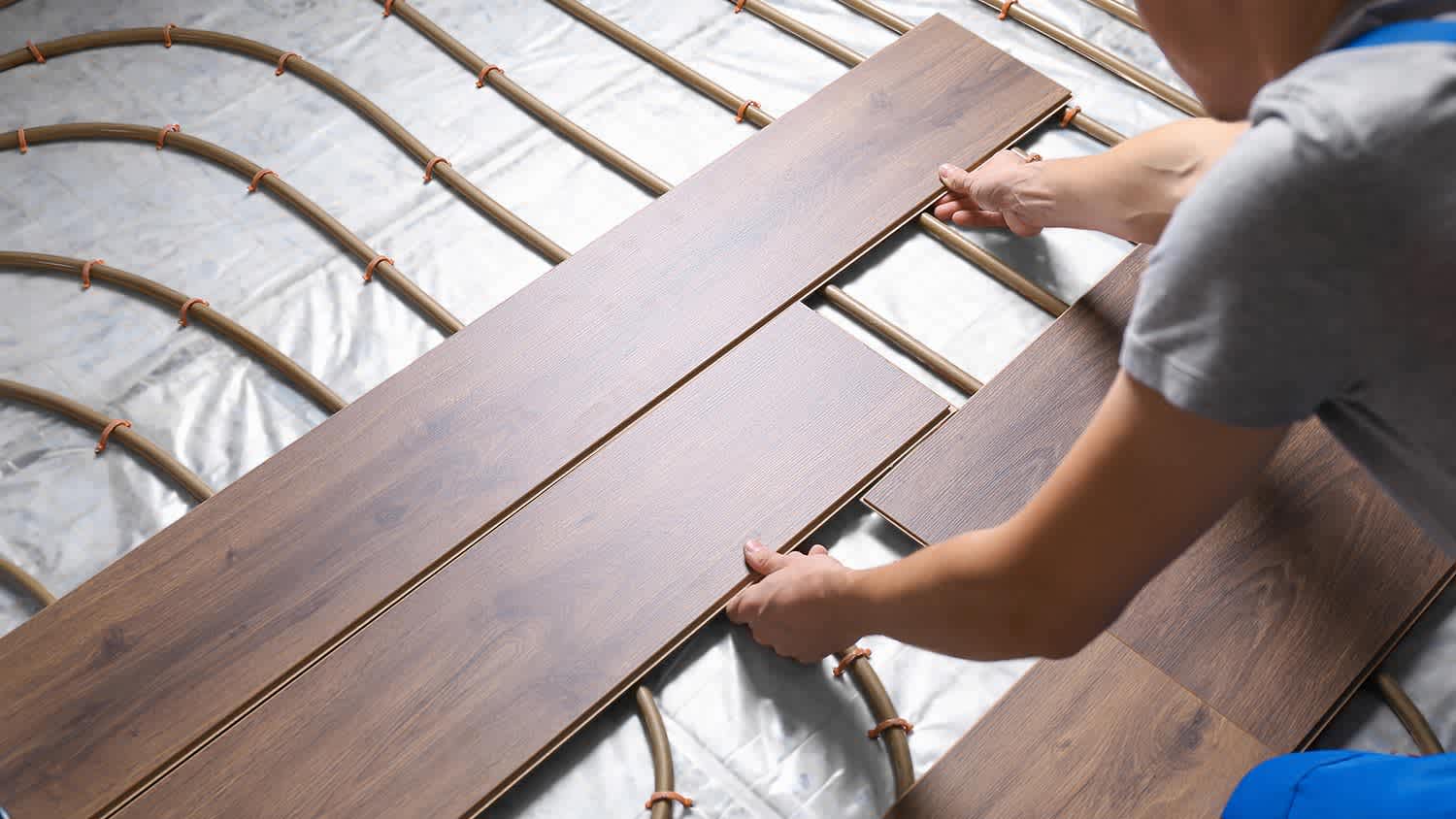
Get expert insights on radiant heating repair cost, including average prices, cost factors, and ways to save. Learn what impacts your radiant heating repair bill.

Warm floors, warm feet. Learn how much radiant heated floor costs, types of radiant floor heating systems, and pros and cons.
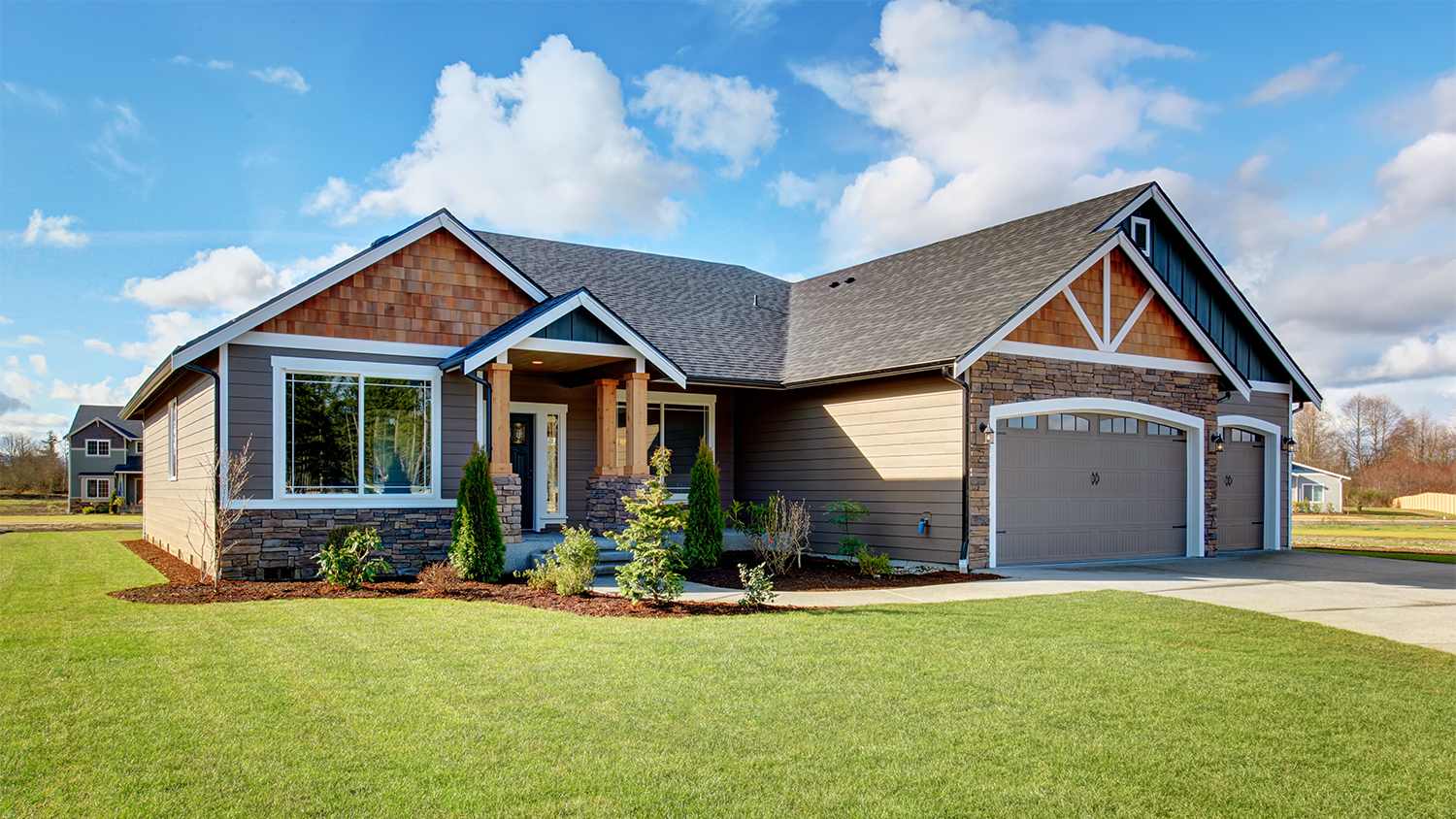
Radiant barriers reflect heat away from your home, but are they worth it? If you’re wondering whether radiant barriers work well, then keep reading to find out.
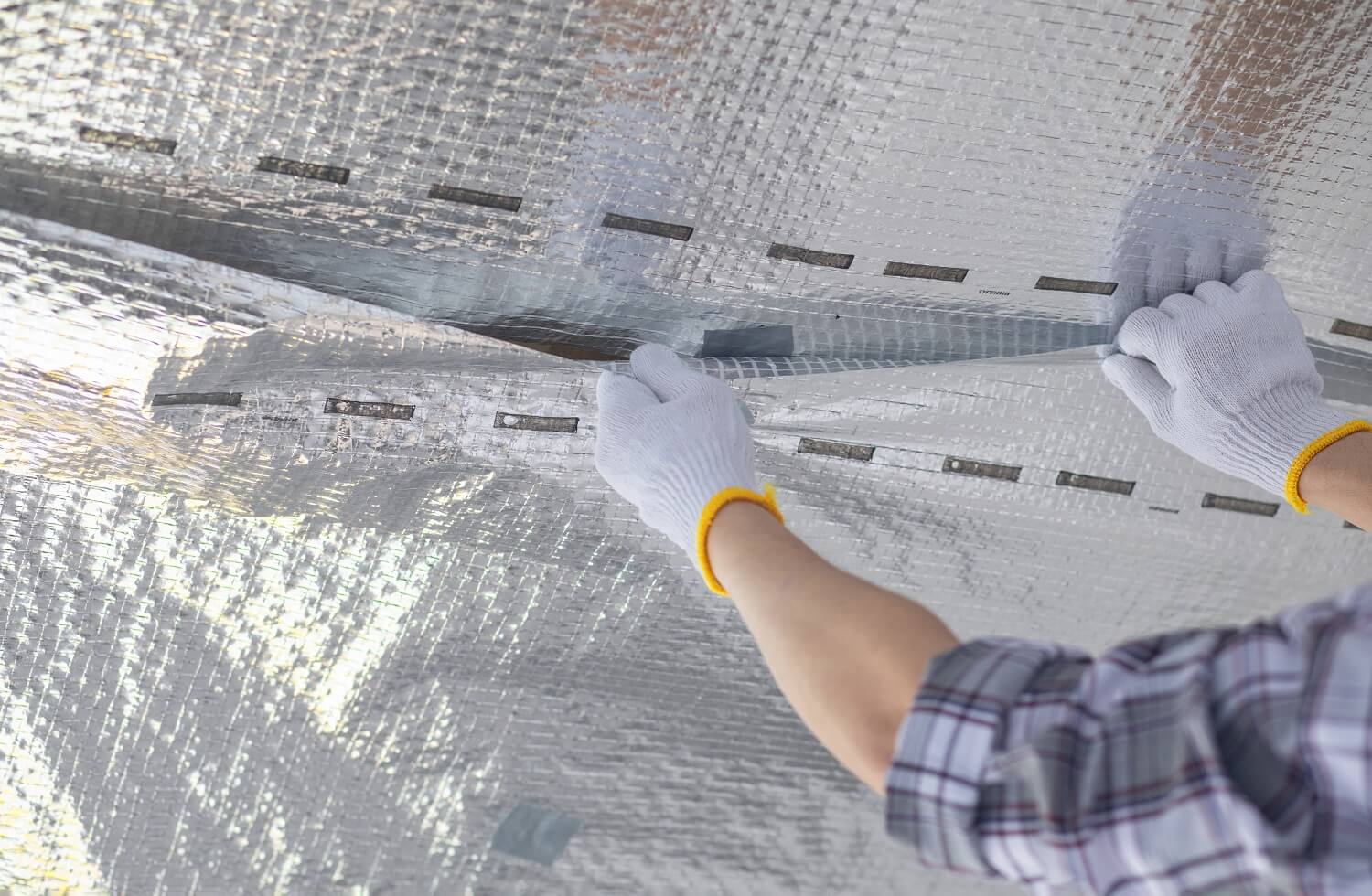
How does a radiant barrier work? This alternative insulation is effective at cooling a home, but its unique mechanism won’t provide the same heating benefits.
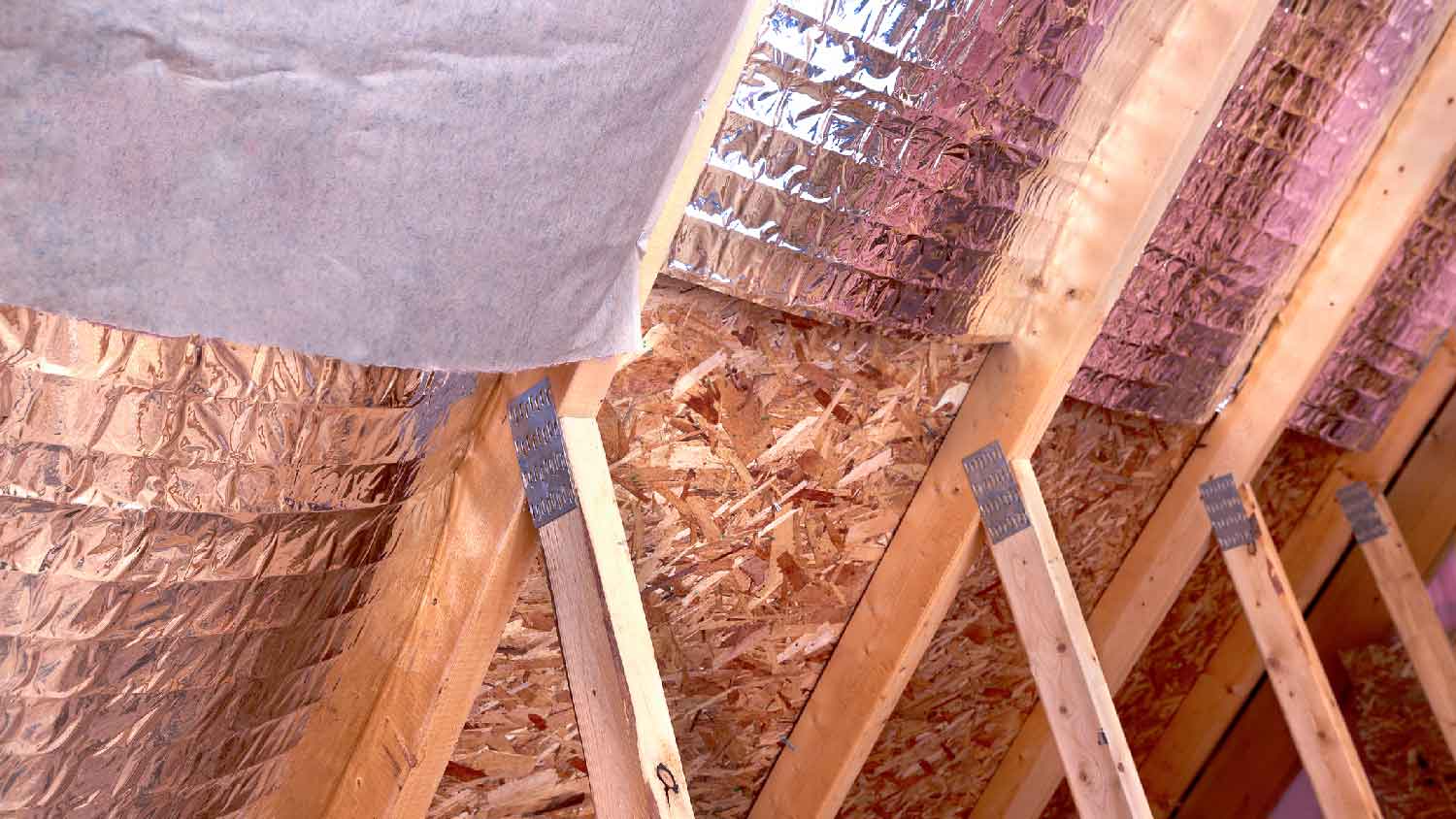
Is a radiant barrier worth it for your home? It depends on the climate where you live, installation factors, and the cost of keeping your home cool.