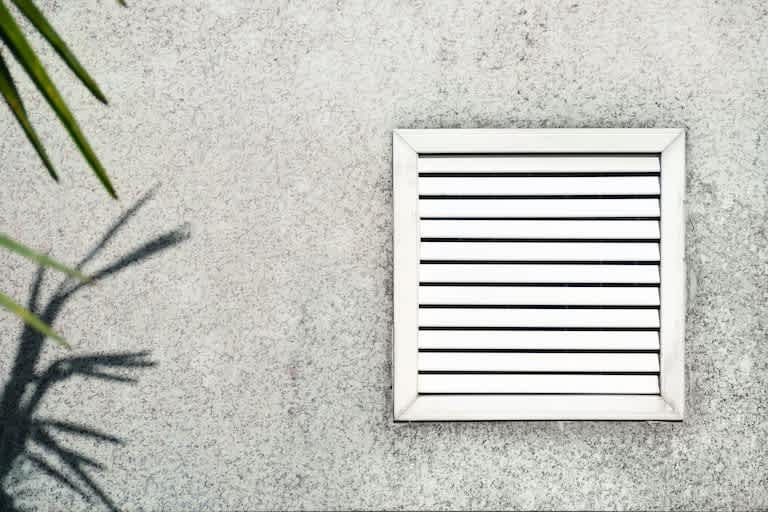
Several factors impact dryer vent installation cost. Use this guide to learn what affects the cost, and how much you should budget for this project.
Get wrapped up in a conversation about dryer vent insulation

Dryer vent insulation creates a barrier between hot exhaust air and cold spaces, helping you reduce energy loss and prevent moisture problems in unheated areas.
Your dryer vent needs insulation when it runs through unheated spaces like attics or crawl spaces, where temperature differences cause condensation and dripping ducts.
Insulated dryer vents protect your ductwork from rust, corrosion, mold, and mildew by stopping moisture buildup that damages metal piping over time.
Hiring a local insulation company provides expert guidance on whether your dryer vent location needs insulation and ensures proper installation for lasting protection.
Should you insulate your dryer vent? If you're trying to keep your home as efficient as possible, you may be looking at every potential area where cold air can get into your home. You may already be familiar with ways to insulate HVAC ductwork. However, there's far less information available when it comes to dryer vent insulation. This guide to deciding if you should fortify your dryer vent will give you some answers.
The dryer vent is the tube that extends from your clothes dryer to the outside of your home. This tube carries exhaust from the dryer away from your living area. Your clothes dryer won't work without a fully operating dryer vent because the moisture that builds up in the dryer as water moves out of clothing won't have anywhere to escape if the vent isn't working.
What is insulation going to do for your home? The purpose of insulating a dryer vent is to distance the hot air moving through the vent from the cold areas that the vent reaches. Ventilation essentially creates a stronger barrier between the inside and outside portion of the vent's piping. In addition to increasing efficiency, ventilation is also thought to help to reduce moisture-related issues.


Plumbing, mechanical, and electrical professionals make recommendations for installing dryer vent insulation based on the International Residential Code (IRC) that has been adopted in 49 states, the District of Columbia, Guam, Puerto Rico, and the U.S. Virgin Islands. According to code standards, there are no mandates either permitting or forbidding insulation of dryer vents. The code actually instructs professionals to default to the instructions for using dryer insulation that is provided in a clothes dryer's manufacturer instructions. Some local municipalities may have their own rules regarding dryer vent insulation.
If your duct is located in a heated space, it's less likely that insulation is necessary. This would apply if your duct is located in a heated laundry room, heated basement, or some other finished area of the home. Generally, insulation is recommended when ducts are located in areas of the home without heat. Think of attics, crawl spaces, unfinished basements, and other areas of the home without heat. Overall, you're looking for a potential for freezing that can trigger the freeze-thaw condensation cycle that can lead to mold building up in your pipes.
There are many pros to dryer vent insulation. While some of these pros can solve problems in the short term, others can actually preserve the lifespan of your ducting components. Here's a look at the reasons why you should consider insulating your dryer vent.
If you've been paying attention to your electric bills, you may already know that your clothes dryer is one of the biggest energy guzzlers in your home. The average dryer can use up to 500 watts of electricity per hour. A lot of the energy used is actually being consumed by the dryer vent.
Both heat loss and drafts contribute to the vent's reputation for being a huge energy user. Insulation can dramatically cut down on the heat loss that occurs within the vent. If your goal is to cut down on energy costs, you should also discuss the idea of adding a dryer vent seal with insulation professionals.
Have you noticed drippy ducts at your home? Dripping is the result of condensation that forms when there's a drastic difference between duct temperature and room temperature. One of the reasons why this happens is that the purpose of dryer ducts is to move humid exhaust air from your clothes dryer to the outside of your home.
When chilly ambient air meets warm air from the duct, vapor, and condensation form on the surface of the duct. This is where you get your visible dripping. Unfortunately, dripping vents will lead to moisture issues that cause mold, rust, and corrosion if left untreated. Fortunately, dryer vent insulation can usually stop the condensation that causes messy dripping.
One of the hidden benefits of dryer vent insulation is that adding it can actually help to prolong the lifespan of your ductwork. When you enclose your dryer vent in high-quality insulation, you're also adding a protective layer to your ducts. This is a big deal because ducts very commonly experience condensation issues. In addition to causing dripping, this condensation can erode and rust metal piping that's part of your ductwork over time. Your ducts could also become overtaken by mold and mildew if you don't catch the problem early enough.
Ultimately, adding insulation to your dryer vent can help your ducts to last longer compared to leaving them fully exposed. New insulation can also keep the air inside your ducts healthier by keeping mold and mildew risks low. All of this helps you to save money on extensive duct repair or replacement down the line.
Do you hear loud "clanking" sounds whenever your clothes dryer is running? Adding dryer vent insulation could drastically reduce your dryer's noise level. When air passes through your dryer's ducts, it often creates a loud, annoying noise. The issue tends to be worse if you have thin ducting.
Adding vent dryer insulation can muffle noise by adding an extra layer of padding to the duct wall. Of course, this padding can't make the area 100% soundproof. However, most people who add insulation immediately notice noise reductions because noise has a harder time breaching the duct wall.
Adding dryer vent insulation should not be thought of as a fix-all cure for noises coming from your ducts. Even the best insulation R-value in the world can't fix the problem if the noise you're hearing isn't caused merely by thin ducts. In many cases, strange noises are actually caused by loose screws or built-up lint. Both of these require immediate attention because they create dangers for fires and mechanical failures.
Like all projects, installing dryer vent insulation can have some downsides. First, you may simply be wasting money on this project if your vent is located in a finished and heated portion of your home. It's a good idea to work with a trusted professional to get an analysis of the actual cost benefits of this project based on how much energy you're currently losing through your dryer vent. Local insulation companies can visit your home in person to take a look at the location of your dryer vent before providing you with an expert opinion.
Another potential downside is that insulation will increase the maintenance efforts required to keep your home safe. You'll need to check that the insulation is intact. In addition, you'll need to repair or replace any portion of the insulation material that becomes compromised over time.
Finally, many homeowners get lured into a false sense that adding insulation is enough to keep a dryer vent clean. It's a common misconception that dryer vents don't need to be cleaned if they are properly insulated. Ignoring routine cleaning of your dryer vent increases the fire risk at your home. When you don't push lint buildup out of the way, thick lint will reduce airflow. Being relaxed about cleaning your dryer vent will also reduce your dryer's efficiency. That could leave you with higher energy bills, higher repair costs, and a potential bill for replacing a dryer that stops working prematurely due to strain.
If you’re good people wanting to do business with good people, hire Matt. He is a consummate professional and utterly competent. He installed a water heater in my home at a price that beat competitors by hundreds of dollars with a promise to support the unit for its life (even after its 6 yr...
 Greene's Plumbing Services
I would recommend this company to anyone! He showed up on time, was friendly, completed a very difficult repair on our dryer vent cover, was responsive, and pricing was extremely fair and competitive. I would have him back to do any of our repairs or cleanings without hesitation!
 U.S.A. Dryer Vent, LLC
Best cleaning I've had at my property
I conferred with 2 other contractors before Armstrong Electric. Nick and his crew showed me that the project was not as convoluted as the other contractors made it appear to be. They completed the entire project on time. They were professional, friendly and cleaned up after at completion. I...
 ARMSTRONG ELECTRIC, LLC
Our exterior looks brand new thanks to Custom Paint Jobs LLC. Theyre the best in town!
 Custom Paint Jobs, LLC
Excellent experience with hiring Tether House to Mount our 77’ Samsung TV in our bedroom. Fast, friendly, and knowledgeable. Highly recommend.
 Tether House
The techs on my project, Shawn and Cliff, were great. They were prompt, courteous, and efficient. I am very happy with the results and would definitely contact Mr. Electric for any future electrical projects.
 Mr. Electric of Columbus
We had our houses windows and back door replace this summer by Window Depot USA of Central. He gave us grate advise and saved my family lots money. The team did a fantastic job with installation. If you need help, they sure get job done right!
 Window Depot USA of Central Ohio
Beginning with the estimate, Larry and Peyton were super helpful in getting my new condo's interior re-painted. Not only was the job well done, but also done in a super timely manner as promised.
 Five Star Painting of Plain City and Powell
Great job...edging and pre clean up went well with a great job with seal coat. Friendly, efficient and professional.
 All Star Paving and Sealing
From average costs to expert advice, get all the answers you need to get your job done.
Several factors impact dryer vent installation cost. Use this guide to learn what affects the cost, and how much you should budget for this project.
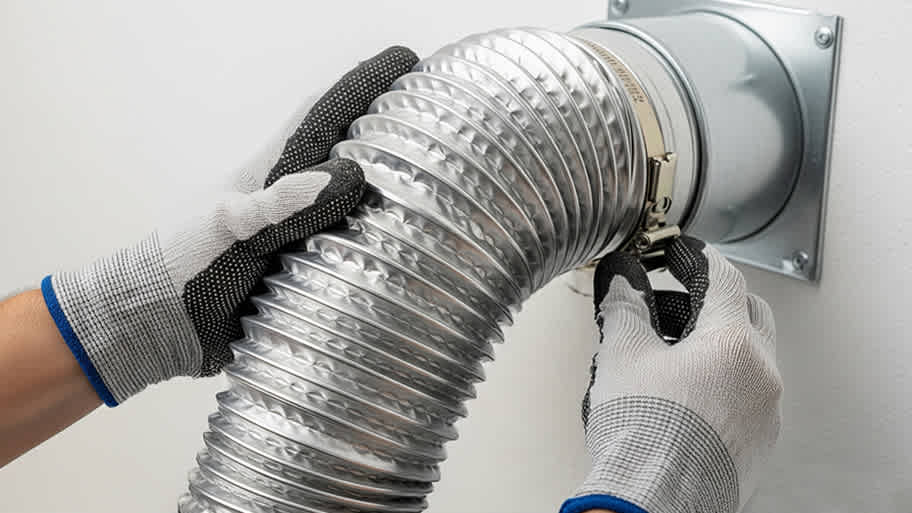
A dryer vent cleaning cost averages about $140 when done by a professional. Read our tips to understand the key cost factors involved in dryer vent cleaning.
While you don’t need to insulate a dryer vent, it can help increase your home’s safety, efficiency, and comfort. Here’s everything you need to know—and more.
If you need to move your dryer, or you’re buying a home without proper ductwork, you’ll want to make sure the right pro installs your dryer vent. Read on to find out who installs dryer vents to get the job done quickly and easily.
If you have a dryer in your home, the odds are that you also have a dryer vent. Discover what this feature does and why it’s so important.
To make sure your dryer is doing its job as efficiently as possible, it may be time for a new dryer vent. Keep reading to learn about dryer venting options.