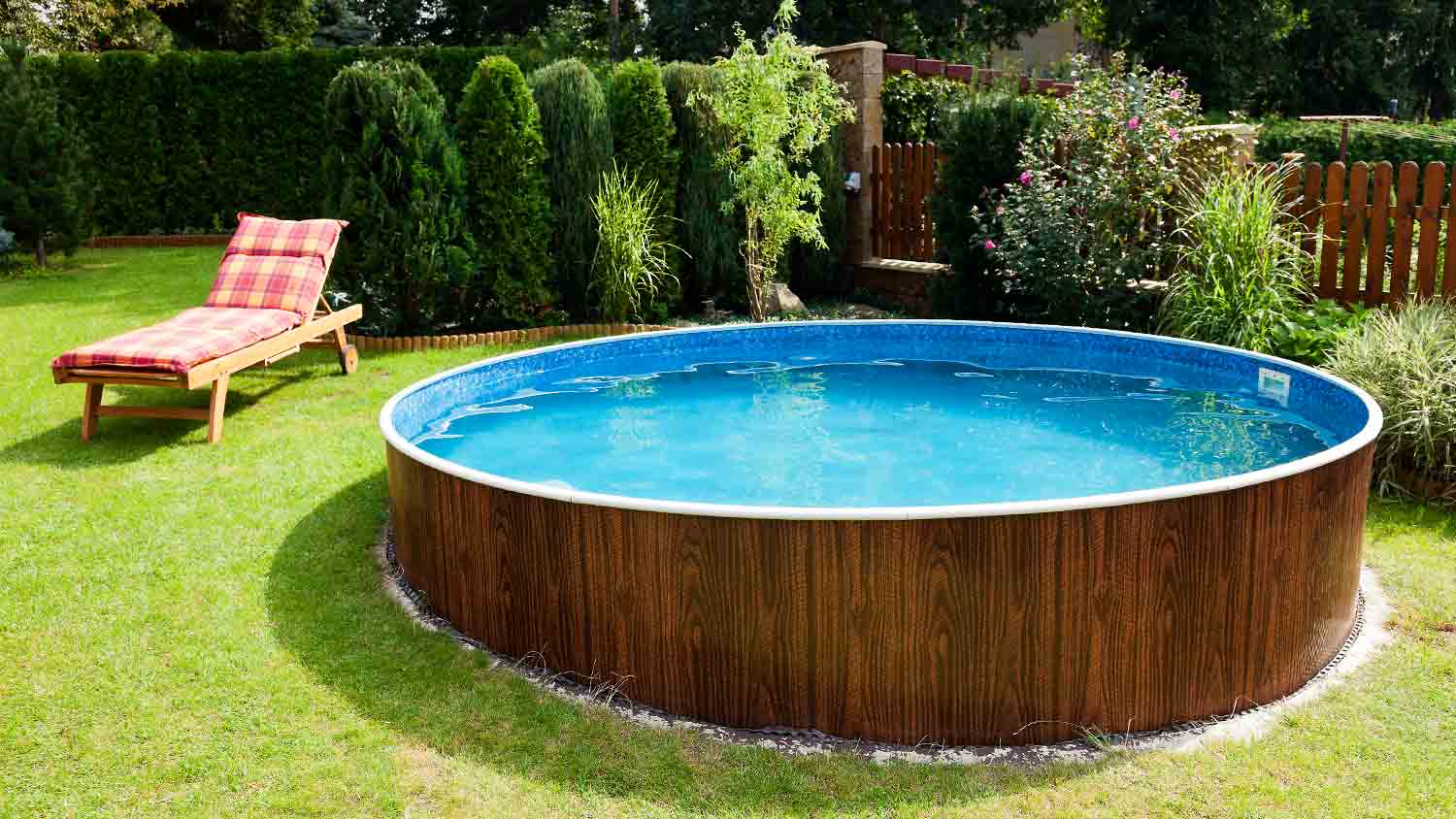










Top-rated above ground pool installation pros.

Get matched with top above ground pool installation pros in Vida, OR

Enter your zip and get matched with up to 5 pros

Need a pro for your above ground pool installation project in Vida, OR?

Select your specific project to find the pro for you.

Find Above ground pool installation pros in Vida

Avatar for American Home Shield – Home Warranty
American Home Shield – Home Warranty
3.5(
5,688
)
Above Ground Swimming Pool or Accessories - Repair or Service

Serving Vida, OR and surrounding areas

In business since 1971

Credit card accepted

"One oven doesn't work at all ( my choice, see above), the "working" oven was never calibrated properly so using it is hit or miss. It's time to call American Home Shield to see about replacing the entire unit. I'm waiting to finish other home projects before calling them. I don't know if I'll request Greenway again."
Additional Photos
Additional Photos
Additional Photos
Additional Photos
Additional Photos

+2

Recommended by65%of homeowners
Install Above Ground Pools questions, answered by experts

It is a good idea to brush a pool before shocking. Brushing the sides and floor loosen up anything that is growing on the surface, such as algae. It is then easier for the pool shock to kill the contaminants because more of it will come in contact with the chemicals.

Chlorine performs several functions, depending on where and how you use it. In drinking water, chlorine in small amounts kills potentially harmful bacteria. It's also a common ingredient in detergents for its whitening properties. Most people associate the chemical with pool use, where it works to kill and control bacteria, germs, and viruses in the water. 

Yes, you can absolutely use a sand filter with a saltwater pool, but you’ll have to make sure you have the right grade of sand to catch smaller particles, just like in a standard pool. To choose the right pool filter, consider the degree of filtration you’ll need. Cartridge or diatomaceous earth filters can remove smaller particles, so they’re better suited for a less chlorinated saltwater pool.

In most cases, late May or early June are the most popular times to open a pool, depending on your location. It’s a good idea to open your pool when the outdoor temperature sits consistently above 65 to 70 degrees (F). At this point, algae will begin to flourish in your water, so opening the pool and adding the proper chemicals will avoid excessive pool algae growth.

Yes, pool pumps use a significant amount of electricity, making them one of the biggest energy consumers in a home. A pool pump can use up to three times as much electricity as a refrigerator. Typically, a residential pool pump consumes about 1 kilowatt-hour (kWh) for every hour it runs. Because pumps often need to run for about eight hours a day to properly filter the water, this can add up to an annual consumption of 3,000 to 5,000 kWh, which can cost between $480 and $800 per year based on average electricity rates.

The amount of electricity your pump uses depends on its size, energy efficiency, and daily run time. To lower your energy consumption, you can choose an energy-efficient or variable-speed pump, ensure it is correctly sized for your pool, and run it only for the minimum time required to keep the water clean.

The Vida, OR homeowners’ guide to above ground pool installation services

From average costs to expert advice, get all the answers you need to get your job done.