







Top-rated bathroom fan installation pros.

Best bathroom fan installation pros near Sublimity, OR

Enter your zip and get matched with up to 5 pros

Need a pro for your bathroom fan installation project in Sublimity, OR?

Select your specific project to find the pro for you.

TRUSTED BY SUBLIMITY, OR HOMEOWNERS

  • Average homeowner rating star icon4.6
    Average homeowner rating
  • Verified reviews icon468
    Verified bathroom fan installations reviews

Top-Rated Bathroom fan installation pros in Sublimity - Updated Nov 2026

Avatar for Sunset Handyman Services LLC
Sunset Handyman Services LLC
New to Angi
Bath Exhaust Fan - Install

Serving Sublimity, OR and surrounding areas

Approved

Small jobs welcome

Credit card accepted

Sunset Handyman Services LLC is a culmination of a lifelong dream. Help people and provide value to everyday life. Let’s get things off your to-do list and get you loving your home again!

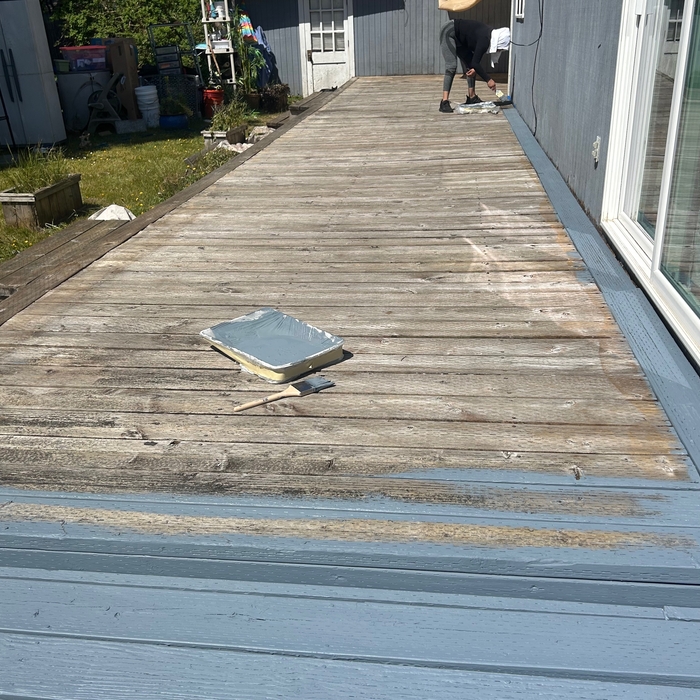
Re-deck
Re-deck
Re-deck
Re-deck
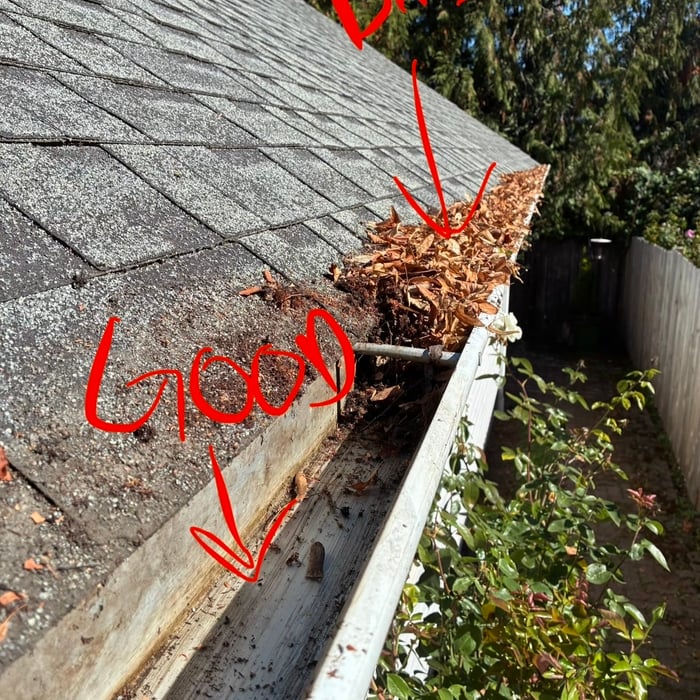
Gutter cleaning

+1

3 neighbors recently requested a quote

...
Showing 1-10 of 67
Bathroom Fan Installation FAQs, answered by experts

The direction you want your ceiling fan to move in depends on the season you’re in. During summer, you want it to move counterclockwise to produce a cooling downdraft. During winter, you want it to move clockwise to circulate warm air throughout the room.
If your ceiling fan is humming, that's usually a sign of an electrical issue. A low-pitched grinding sound could be caused by the motor or a lack of lubrication in the bearings, but a true humming sound will be caused by a failing capacitor or faulty wiring. Unless you have experience with electrical issues, you should call a pro for any ceiling humming noises.

Identifying the source of noises is your first step to soundproofing a room without overspending. Generally, sound comes from inside or outside of the house. Inside noises include creaking floors, living noises like TVs in the living room, cooking sounds, or kids being kids. External noises generally include incremental weather, disturbing neighbors, and street traffic. Inside noises require you to soundproof floors, ceilings, and doors, whereas outside noises may require you to soundproof your attic, windows, and walls facing the streets.

A tripped circuit breaker, broken pull chain, faulty wiring, or a bad motor or capacitor are all common causes for a fan to stop working.

Wood stove fans are designed to operate quietly, emitting only a subtle hum from their motor. This low noise level ensures minimal disruption in your living space, allowing you to enjoy the warmth without distraction. The fan blades, which are engineered for efficient air circulation, contribute to the overall quiet operation. This makes wood stove fans a practical choice for maintaining a peaceful environment while effectively distributing heat throughout your room or home.

The Sublimity, OR homeowners’ guide to bathroom fan installations

From average costs to expert advice, get all the answers you need to get your job done.