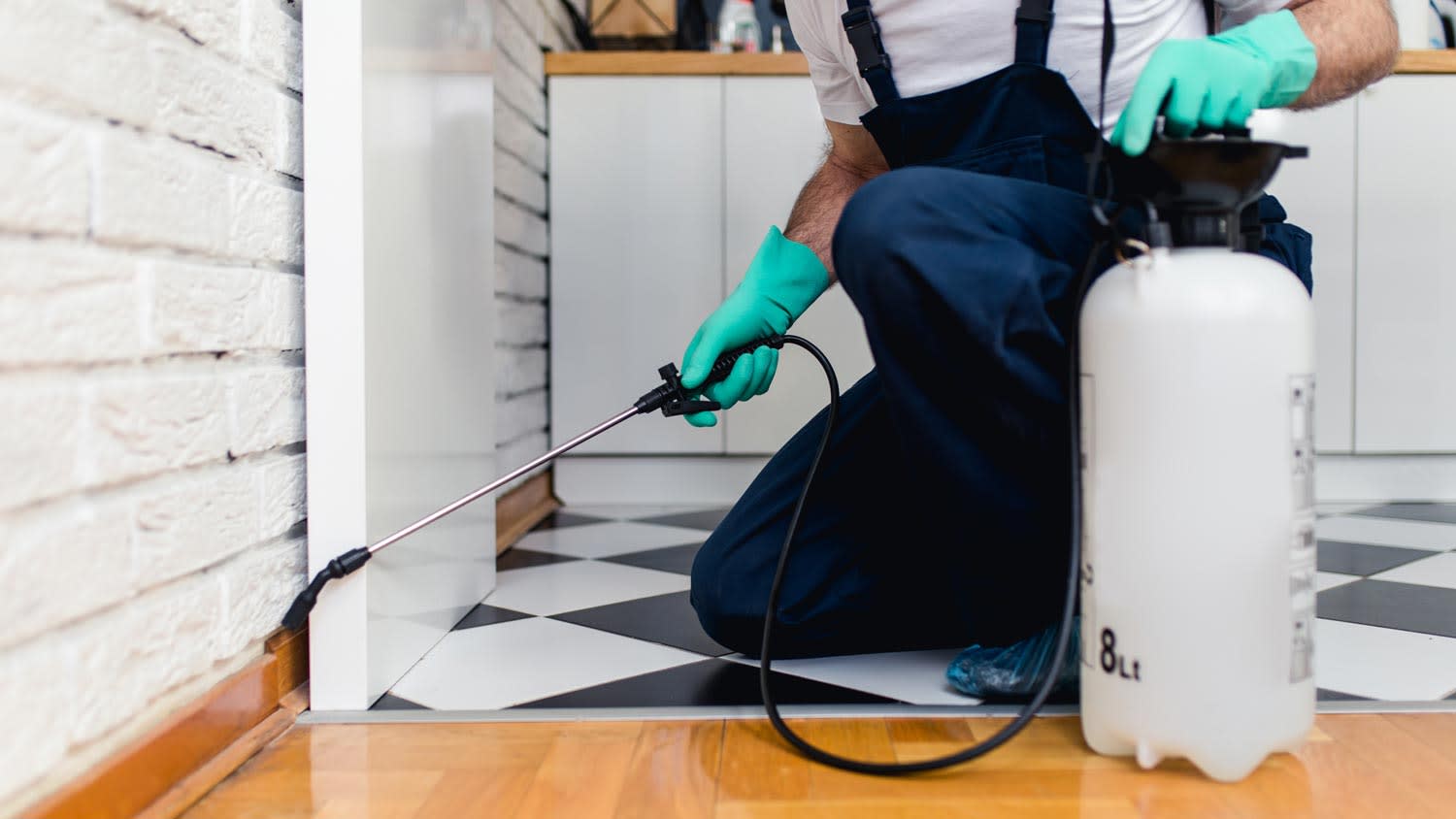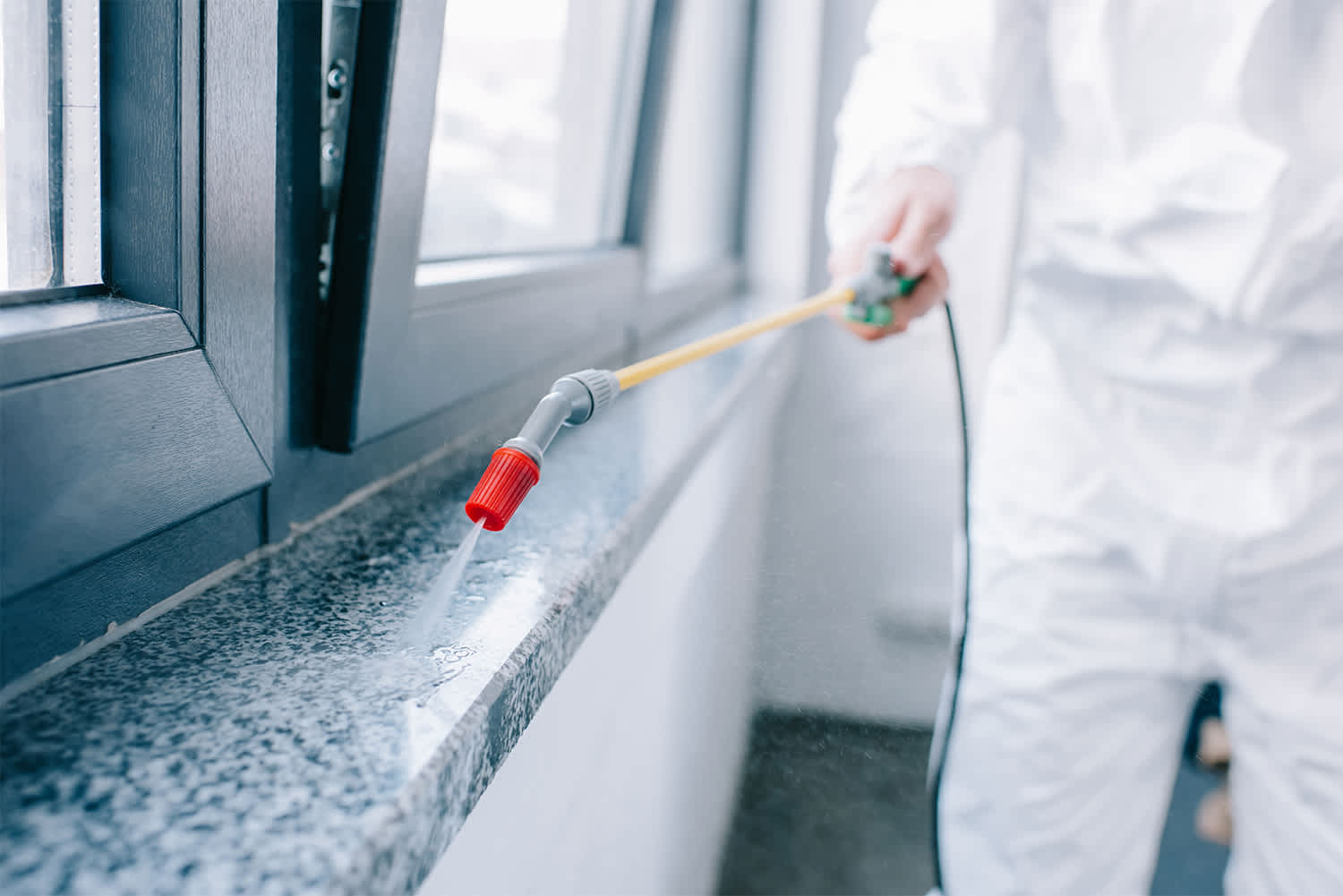





When pests show up, so do we.\n\nFor nearly a century, Terminix® has been one of America's most trusted names in pest control. Every day, our exterminators serve thousands of homes and businesses nationwide, combining national service with local knowledge to provide best-in-class, proactive pest management solutions. We stop problems before they start and respond quickly if issues arise, keeping your property protected.\n\nAnd for extra peace of mind, if pests come back, so do we‐guaranteed.\n\nThe Terminix It Guarantee means that if pests come back, so do we to re-treat at no additional cost. No excuses, just a commitment to care for your home like it's our own with protection you can trust.3
"I have a contract with them so I have to use them again. It pays for itself eventually if you get good repair people. You don't control who they send."
Earwigs are omnivores, so they have a varied diet. Generally, they feast on decaying organic matter, leaves, flowers, and vegetables. They’ll also eat other insects (dead or alive) like aphids, sowbugs, and mites.
Ant and termite infestations look very different. Since termites feed on wood, one of the warning signs of their presence is drooping drywall, peeling paint, loose floor tiles, and crumbling wood. On the other hand, ants feed on plant- and animal-based food options, so you’ll likely spot a colony near your home’s food sources. If you’re unsure what type of pest infestation you have, hire a pest control specialist to inspect for you.
There are quite a few opinions regarding using coffee grinds to keep deer out of your garden, with many people convinced of this method. It makes sense that it could work considering deer have a strong sense of smell and likely do not like the smell of coffee grounds. However, there’s no hard evidence supporting the notion that coffee grounds keep deer away, but it may be worth trying.
Squirrels hate anything that disturbs the peace in their nest. Loud noises, bright lights, and strong smells like cayenne pepper or mothballs will deter them from your attic. Spread these scents, add a strobe light, or use an ultrasonic repeller to keep squirrels from nesting in your attic.
In general, mouse droppings can remain infectious for 2 to 3 days at room temperature. Through their urine and feces, rodents can spread harmful diseases to humans. Common infectious diseases include hantavirus, salmonellosis, leptospirosis, and LCM.
However, depending on the specific virus and environmental conditions, mouse droppings can carry viruses for shorter or longer periods of time. For example, Salmonella can survive in mouse droppings several days and even weeks.
The Pilot Rock, OR homeowners’ guide to pest control services
From average costs to expert advice, get all the answers you need to get your job done.