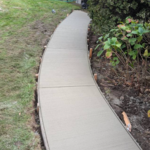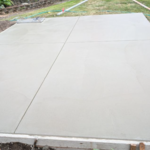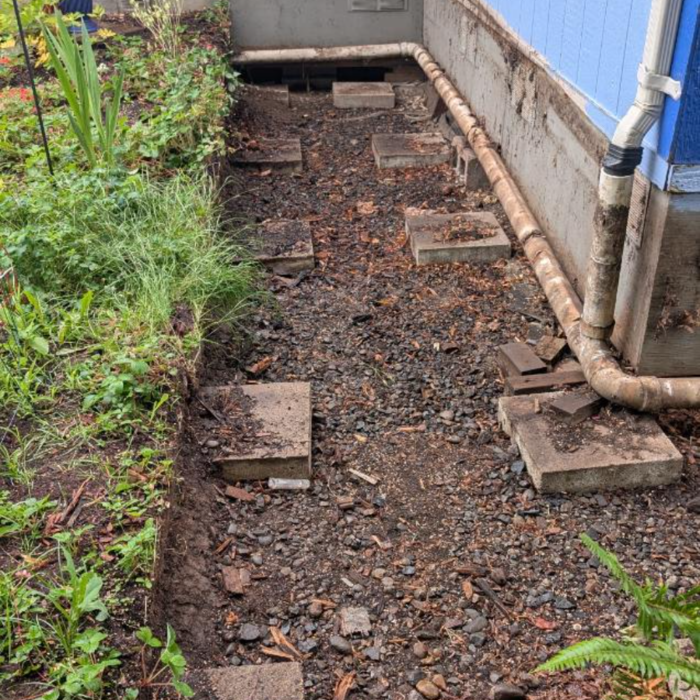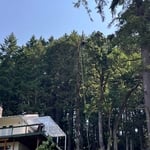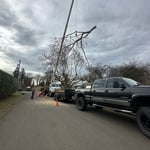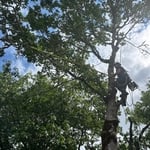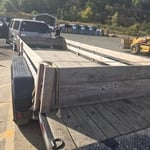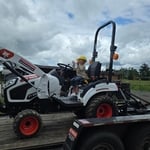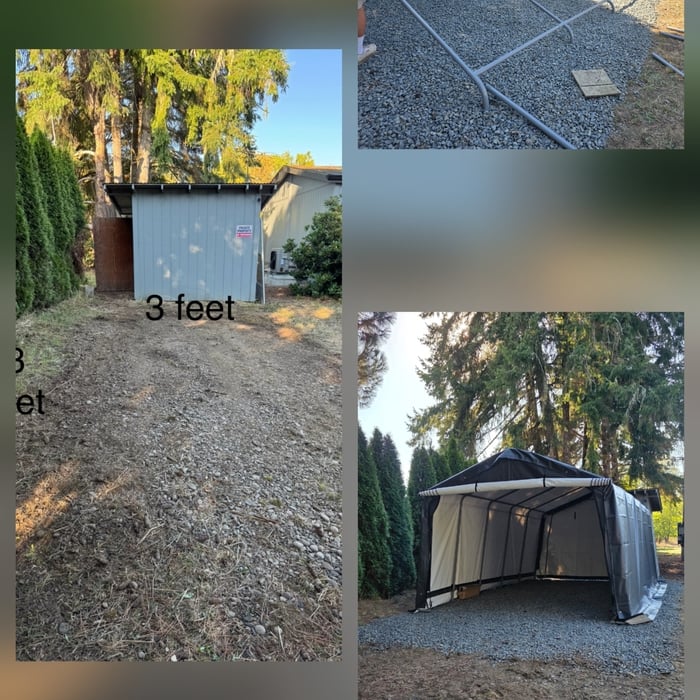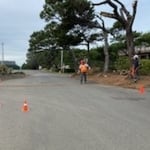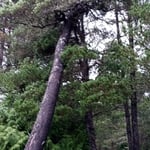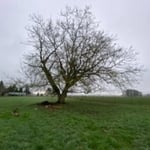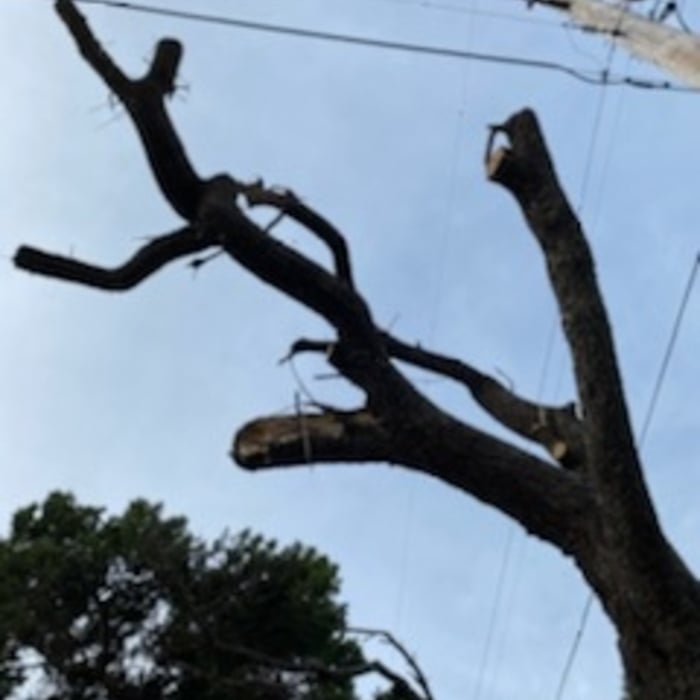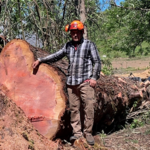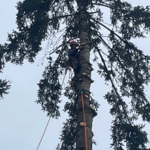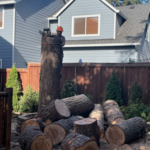






"Yes, Peyton was very flexible with us working around the weather. Work was done very professionally and within the quoted price. Workers friendly and prompt"
Casey Jones Arbor Care is a highly qualified \nand experienced local tree service excited to proved the highest quality service!\nLicensed Bonded & Insured\nCCB: 244926\n Call today!\n(541)460-1555\n\nHazardous Tree Removals\nTree Preservation\nPruning\nTree Falling\nStump Grinding\nLand scraping \nexcavating\nLandscaping
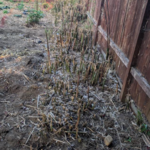
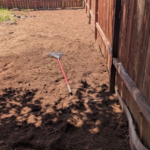
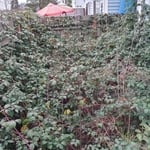
"My yard hasn’t looked this good in years! It has been covered in blackberries and another invasive species for the past 4 1/2 years since my husband’s death which was my main concern, but they had gentle suggestions for the rest. My favorite was the incorporating of my collection of large white quartz and granite river rock from the banks of the Rogue River from our many vacations on the coast and the use of my mother’s (an avid gardener) statues which they put to good use. (Didn’t realize I had so many of the latter!). They unburied some of the plants I had forgotten about, readjusted climbers, saved my roses, daylilies, a rhodie I thought was dead, and a lilac I thought some previous worker had killed, put weed fabric over every space before replanting the few plants I bought, showed me how to replant with new plants. I’ve had neighbors comment on my “new” front yard and friends on my back yard. And I really enjoyed them!"
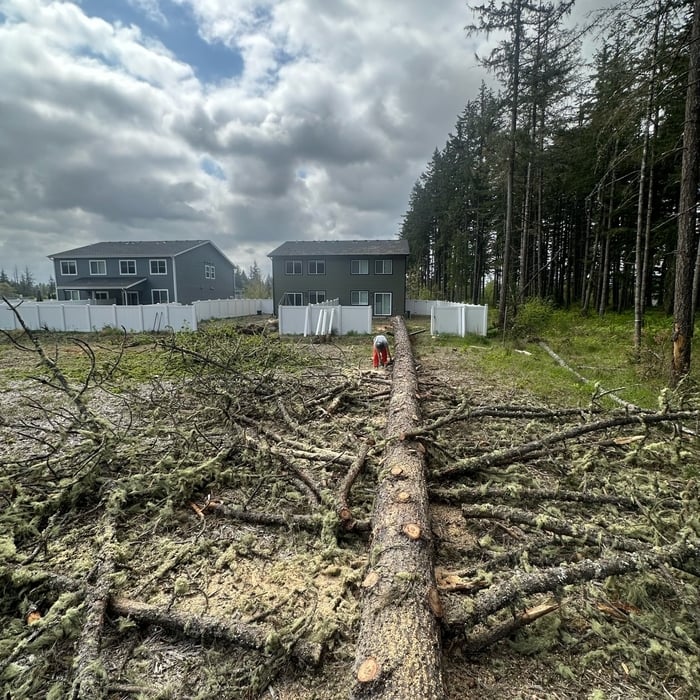
"It took most of three days to cut down, separate branches from trunks, chip the branches and cut the trunks. The crew took three loads of chips, twigs and needles to the land fill. The yard hasn't been this clean in several years! Thank you Team Powers!"
"You couldn't have any branches within 30 feet from your house.They cleared a bunch of trees from the driveway so that firefighters could get up. It's a government program. Certain things have to be done. They have to cut a certain distance for fire danger. They did what they were supposed to. When Gerald came out, he passed it right away. I thought they did a pretty good job.They came out when they were supposed to. What stood out about their service is well, it passed. They did what they were supposed to. It's a government program, so the inspector came up. You had to pay the company; he'd come up, okay it. Then, you hand the government invoice and then they send you a check within five weeks for the work that was done, but you paid. It had to be OK'd. The government, they come up and tell you, okay this is what we will pay for doing this job, I think it was a thousand dollars for this job. So, they just said yeah we can do it for that and they did it for that and it passed the first time. They did the job in one day. They cleaned up after themselves. They didn't drop anything on the house or break anything."
The best way is to start controlling tree height long before it grows too large, via careful pruning through the years. But that’s not always possible. If a tree has become too high or too large, use selective pruning to remove the most troublesome branches, one by one, without topping the tree. Gently shaping a tree like this can, over time, correct problems. You can also find growth inhibitors to spray on a tree to stop it from growing too rapidly, but use these sparingly if at all.
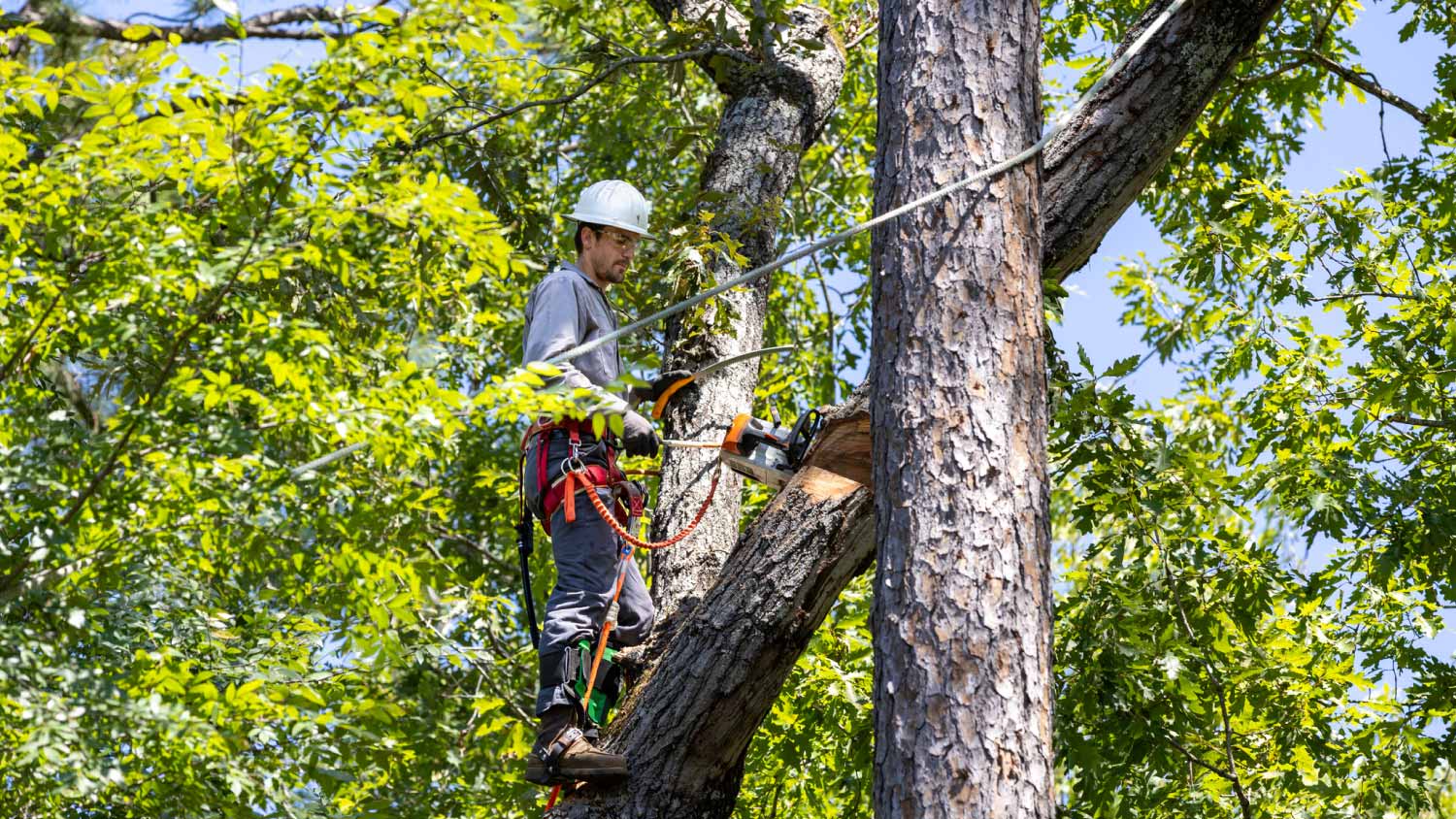
The safest way to cut down a tree is to make sure you’re completely prepared and have done all the necessary safety checks, including double-checking your equipment is in good working order, you have plenty of clearance to fell the tree, you’re wearing all the safety gear, and you have a partner to help you (who should also be wearing safety gear).
It can be bad to leave a dead stump in the ground. A stump becomes a hefty piece of dead wood in time and eventually (especially with the help of rain) starts to rot. That makes it a locus point for diseases and pesky insects, as well as a bit of an eyesore. It’s best to remove a tree stump completely before it starts to decay, especially before it starts to fall apart. If the tree was removed because of disease, it’s even more important to fully remove the stump if possible.
The best time to transplant a tree is when it is dormant. For many trees, this means either in the fall after the leaves have dropped (around October or November) or in early spring before new growth begins (around March). The ideal timing can depend on the type of tree. Deciduous trees do well when moved in early spring or fall, while evergreens are best transplanted in early spring or late summer. For example, pine trees are best moved in early fall, but maples prefer late fall. Avoid transplanting in winter, as the frozen or hard, cold soil poses a significant risk to the roots and prevents the tree from acclimating properly.
Yes, it’s possible to overwater a newly-planted tree. Daily watering is great for the first few weeks, but it’s important not to go overboard. Excessive watering can lead to various problems, including root rot, fungal diseases, and a lack of root development.
The Oakridge, OR homeowners’ guide to arboricultural services
From average costs to expert advice, get all the answers you need to get your job done.
How much does an arborist cost? This guide explains the cost of different services, ongoing expenses, and other factors to consider when hiring an arborist.
Arborists are specialized tree care experts. This guide will help you hire an arborist with all the qualifications to give your trees the best care possible.