Top-rated landscapers.

Best landscapers near Oakridge, OR

Enter your zip and get matched with up to 5 pros

Need a pro for your landscaping project in Oakridge, OR?

Select your specific project to find the pro for you.

Top-Rated Landscapers in Oakridge - Updated Nov 2026

Avatar for J&J Tree Removal and Concrete LLC
J&J Tree Removal and Concrete LLC
5.0(
25
)
Lawn & Yard Waste Clean UpLawn Care - Maintain and Mow a Lawn

Serving Oakridge, OR and surrounding areas

Approved

In business since 2022

Offers commercial services

Customers say: True professional

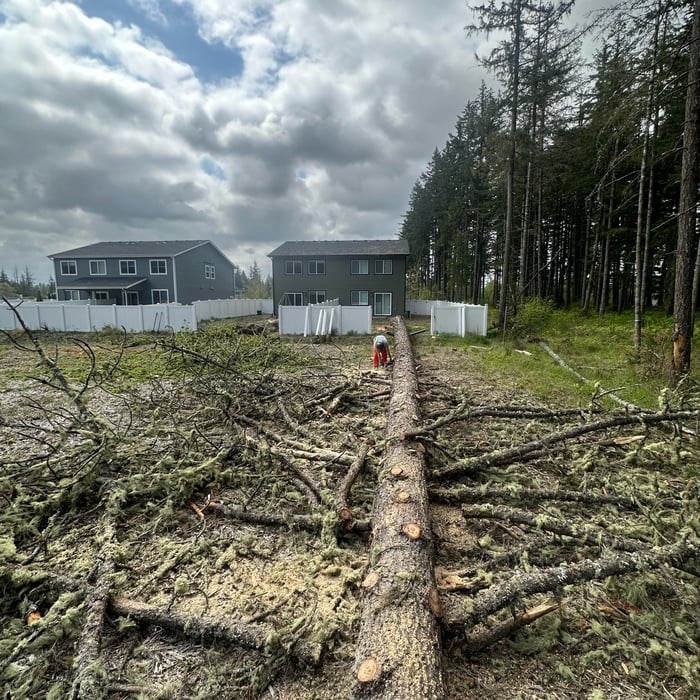
"Jose has successfully helped me on several projects over the last few years on my home and rental properties. He is very interested in making certain he understands the scope of the project and outcome I am seeking. I would highly recommend Jose and his company for property maintenance and landscape development. He and his crew are very pleasant to work with. michael Devereux"
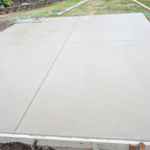
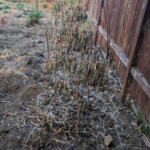
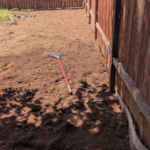
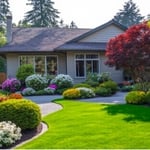
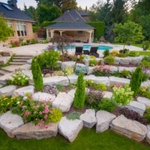
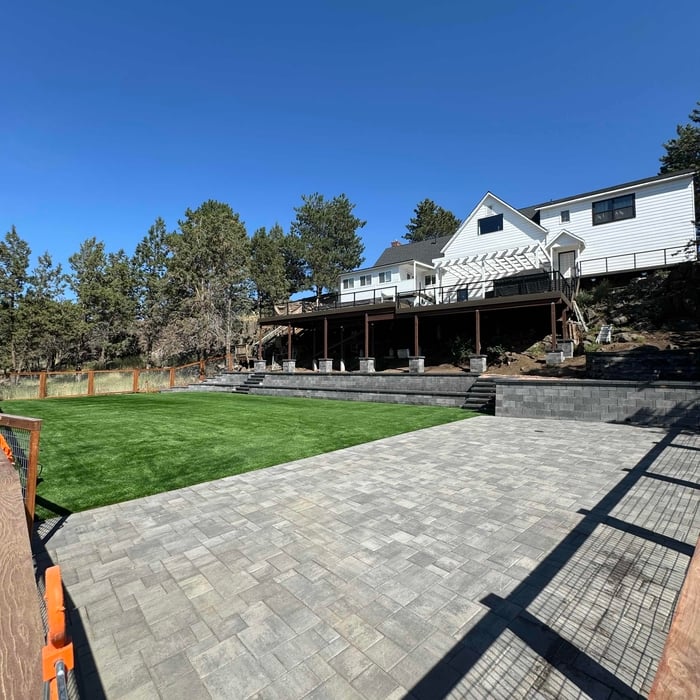
Recent Photos
Recent Photos
Recent Photos
Recent Photos
Recent Photos

+25

4 neighbors recently requested a quote
Recommended by76%of homeowners
Avatar for Diego
Diego
5.0(
1
)
Landscape - Soil, Sand, Mulch and Rock Delivery

Serving Oakridge, OR and surrounding areas

Approved

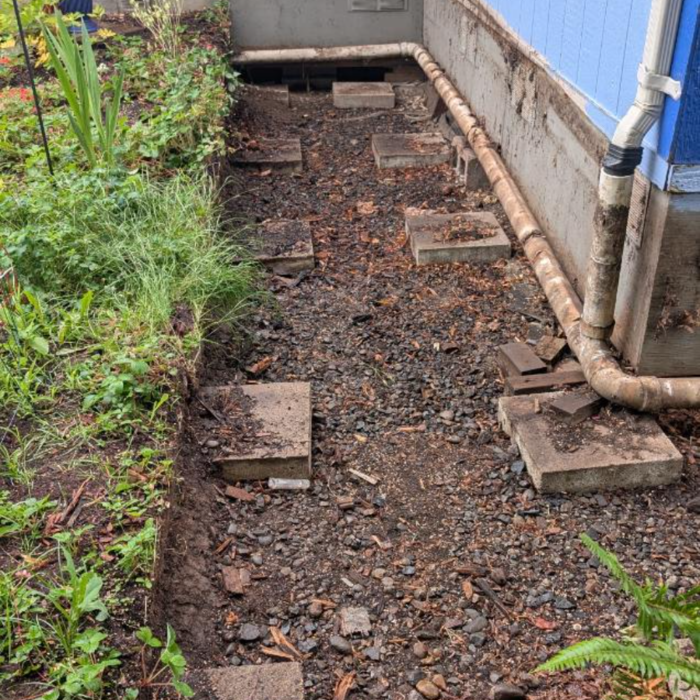
"Diego landscaping Showed up on time and they went right to work . Spreading 10.00 cubic feet of river rock covering all the way around my house. They did a fantastic job and I would highly recommend them."
3 neighbors recently requested a quote
...
Showing 1-10 of 74
Landscaping FAQs, answered by experts

The best type of rock for landscaping depends on your specific project and needs, as different rocks are suited for different applications. For covering large areas or creating an affordable driveway, consider gravel, but note that it can wash away in flowing water. For water features, river rocks are a good option. Flagstone and cobblestone are ideal for aesthetically pleasing patios and walkways. If you are building a stone wall, fieldstone or small boulders are up to the task. Large boulders and landscape rocks work well as statement pieces, to fill empty space, or to indicate boundaries, but be mindful that they can overwhelm smaller gardens. The best approach is to first define your landscaping project and then select the rock type that best fits that purpose.

The average cost for landscaping is around $3,500, but prices can range from as low as $200 for simple DIY projects to $14,000 or more for extensive work. Several factors influence the final price, including your geographic location, yard size, project scope, chosen materials, site preparation, and the type of landscaping involved. Professional landscaper labor costs typically range from $50 to $100 per hour.

For a smaller budget, you can focus on softscaping projects like adding mulch, flowers, and shrubs, which might only cost a few hundred dollars if you do the work yourself. A budget of around $5,000 could cover projects like a simple patio, new plants and tree trimming, or a water feature. More extensive hardscaping projects, such as pergolas, patios, and walkways, can push the budget to $14,000 or more. For example, a flower bed installation averages between $800 and $3,000, while landscape lighting installation can cost from $2,000 to $6,000.
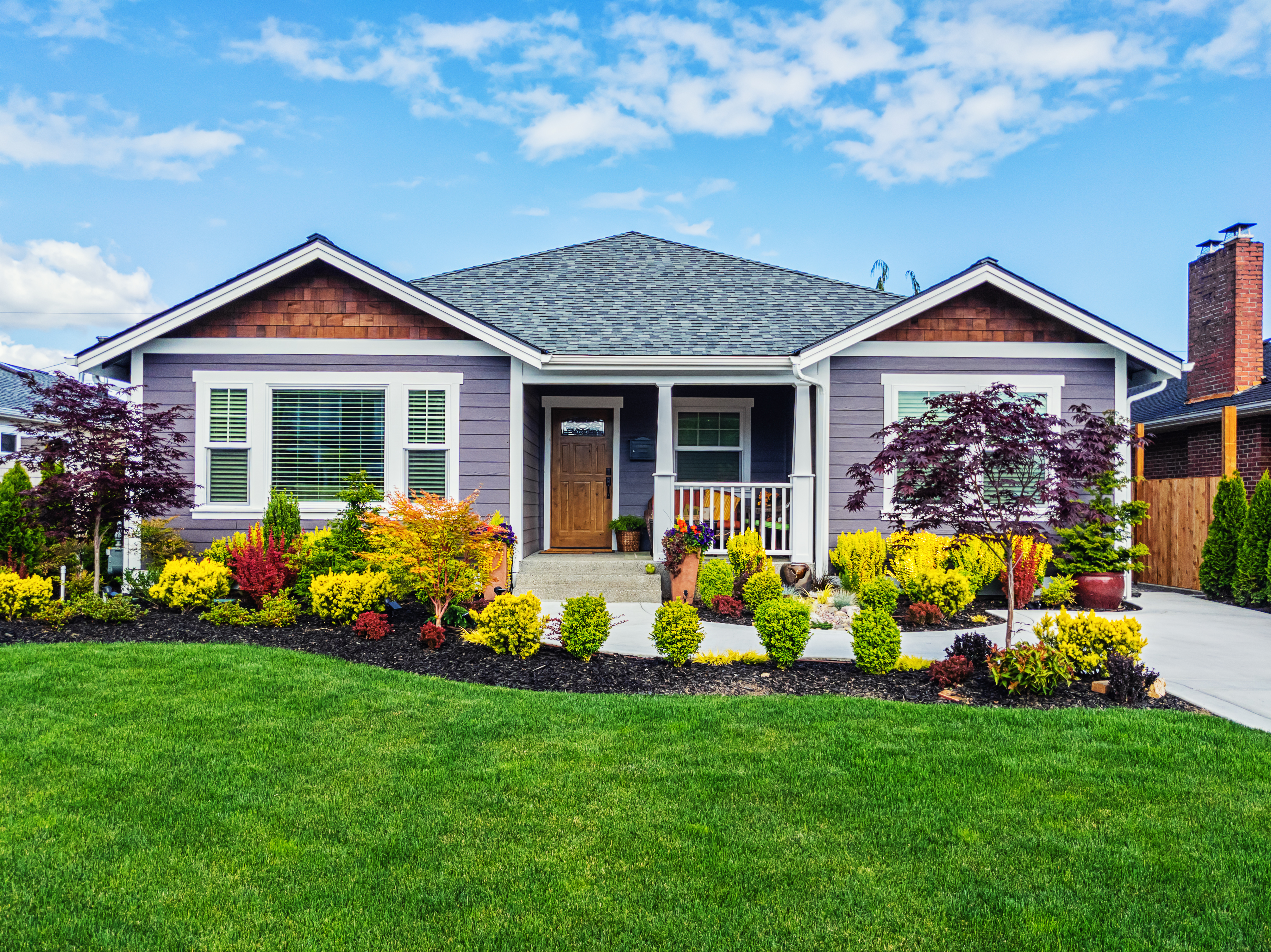

Hedges can be trimmed in many other shapes than the standard square shape. They can be cut into spiral, cone, and sphere shapes. However, cutting and maintaining these types of shapes is much more challenging. There are metal frames that you can purchase to place around the hedge to make it much easier.
A green home is one that focuses on conservation, with the goal often being net-zero carbon emissions and self-sustainability. It will often include some kind of self-generation equipment, like solar panels or a small wind turbine, high-efficiency electrical components and mechanicals, and high-quality insulation and air sealing to reduce the loss of conditioned air. Many green homes also include xeriscaping or rainwater collection to cut down on drainage and water consumption.

While you can leave roots in the ground, if you don’t want the shrub to regrow again over time, it’s best not to leave any roots behind. Ensure you remove as much of the shrub as possible, including the root ball and any main roots you can see, to prevent new growth. Some gardeners opt for using a chemical treatment to prevent the stump from growing back, but this can kill beneficial microorganisms living in your soil.

The Oakridge, OR homeowners’ guide to landscaping services

From average costs to expert advice, get all the answers you need to get your job done.