You can shape a cherry tree by trimming vertical branches, dense branches, and intersecting branches. Your personal aesthetic comes into play, as well. If you want to simply thin and shape the tree, you can get away with trimming the aforementioned parts of your cherry tree. If you want to shorten branches, however, consider thinning cuts, which alter the length of the branches while encouraging light penetration, new buds and shoots, and a structurally-sound shape.
Trees provide many benefits, including shade, habitat for local wildlife, and cleaner air, so it’s always a good idea to try an alternative strategy like crown reduction before you chop one down. But sometimes, cutting down a tree is the only option (like if it’s severely diseased). A licensed arborist can assess the tree and recommend the best course of action.
Some trees will bounce back just fine, and others will struggle and possibly die. Evergreens, for instance, have a very difficult time recovering after droughts and usually die after periods of extreme dryness. Usually, you’ll have to just wait and see—if the drought occurs in wintertime, it’s possible that your tree will recover during the gentler springtime.
Stay inside or well away until the storm passes. Don’t go outside to inspect the tree until the weather clears, especially if the tree is on a hill or isolated in a field. Lightning often strikes the same easily-accessed places multiple times, and you could be a new target. If a lightning strike causes a noticeable fire, alert emergency services. When the storm is over, take a closer look to gauge the damage done.
The average lifespan of an oak tree is 100 to 300 years, so long as it isn’t impacted by diseases like sudden oak death. Some species will last shorter or longer, depending on where you live.
The Mount Vernon, OR homeowners’ guide to tree services
From average costs to expert advice, get all the answers you need to get your job done.
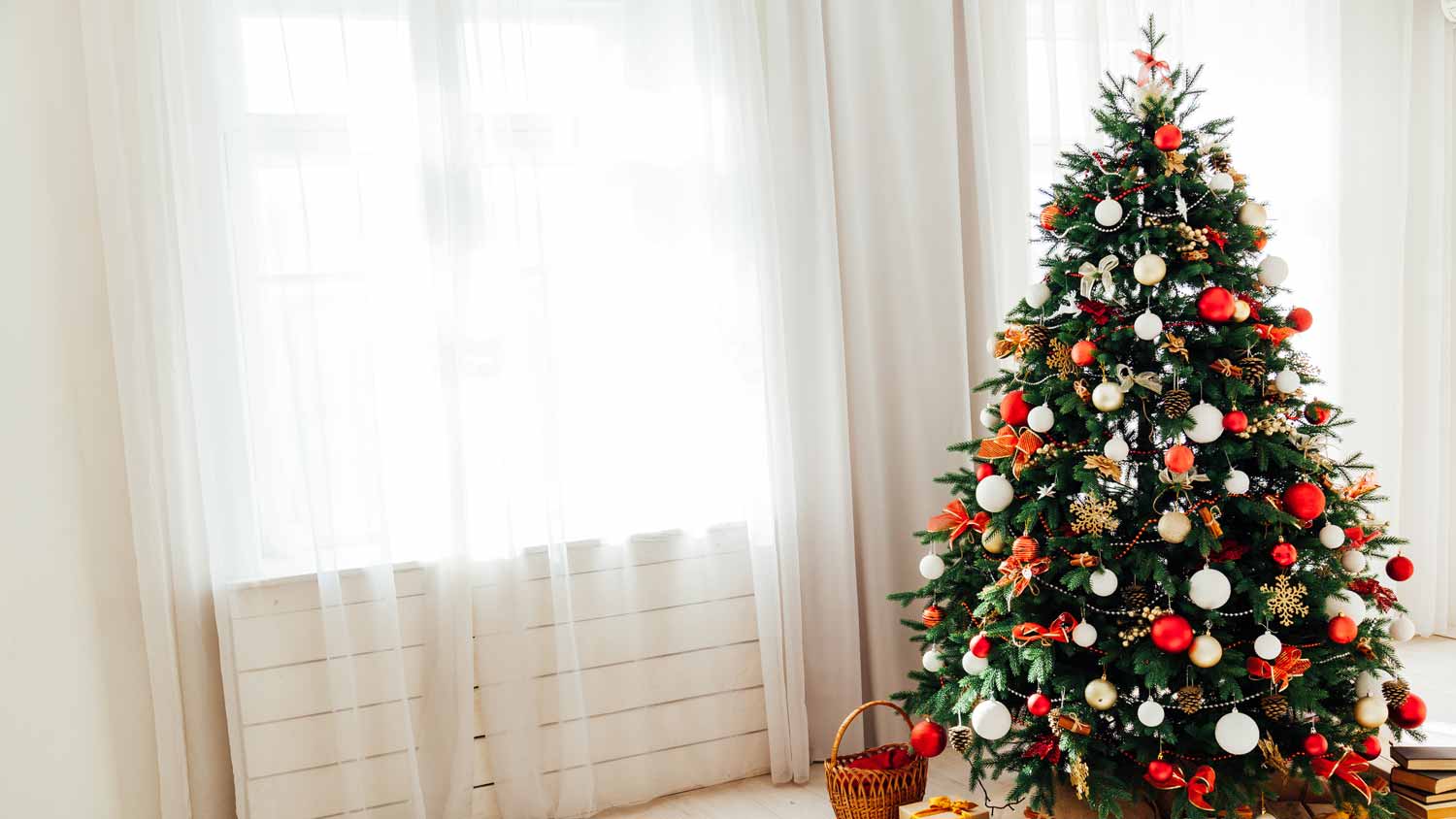
If you're dreaming of rocking around your—professionally decorated—tree this season, this is how much a Christmas tree decorating service will cost you.
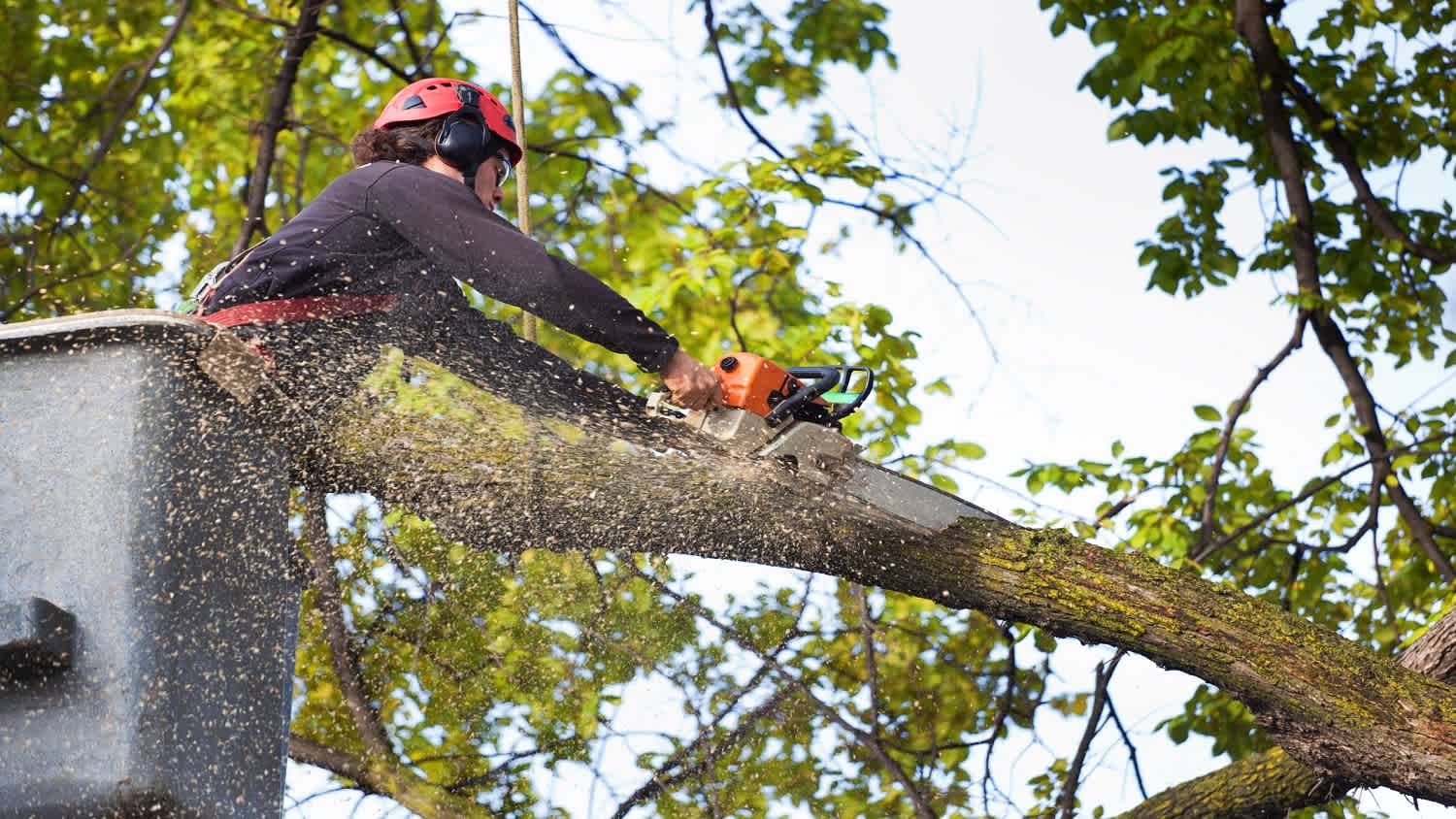
How much does an arborist cost? This guide explains the cost of different services, ongoing expenses, and other factors to consider when hiring an arborist.
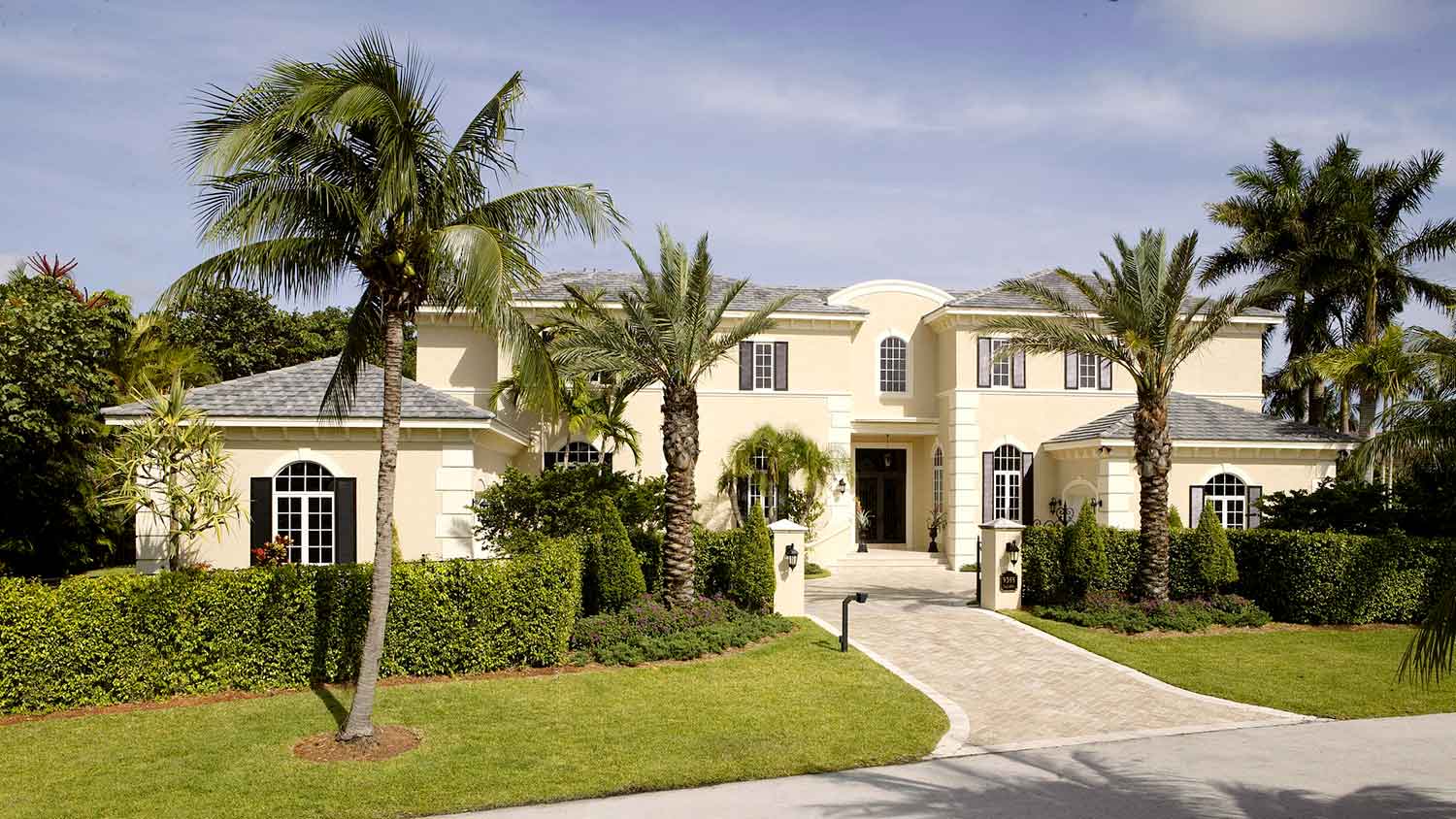
Get a clear estimate of palm tree maintenance cost, including trimming, fertilization, and pest control, so you can keep your palms healthy and your budget on track.
You suspect that the leaning oak tree in the back needs to come down, but can you just handle it yourself? Here are the pros and cons of calling a tree service.
Are there insurance requirements for tree services? Whether you’re having your trees trimmed or finally removing that old oak from your front yard, you’ll want to make sure your tree company or contractor has these two types of insurance, at minimum.