We take great pride in our experience, expertise, quality, and customer service that we provide to meet the consumer's needs. It is our mission to provide excellent workmanship and complete customer satisfaction from start to completion of a project. In order to understand the needs and expectations of our customers, we take great care to work and communicate with every customer in a professional manner. Our reputation is based on service, safety, and quality, regardless of how large or small the job.
\n
\n
"They did a real good job. They were real professional. We can now open the garage door from the inside of the house and now it is so smooth that we have to check to see if we hit the button to open it or close it. Before we used to know when it was opening or closing because it used to make a noise. It helps when you move to a city where you are new. "
Palm tree stumps can take as long as seven to ten years to rot naturally. Whereas some tree stumps rot within a year, palm trees tend to last longer due to their deep root networks. Chemical rotting (described above) can help speed the process up so your palm tree stumps rot in under two months.
Before you cut down a dead palm tree, try to revive it using the methods listed above. However, there are instances when it makes sense to remove a dead palm tree, including:
The heavily infected tree will infect nearby trees, bushes, and plants.
The palm’s roots are overtaking your yard, foundation, and sidewalk and causing structural damage.
The tree is unstable and a hazard to your property, your neighbor’s property, and pedestrians.
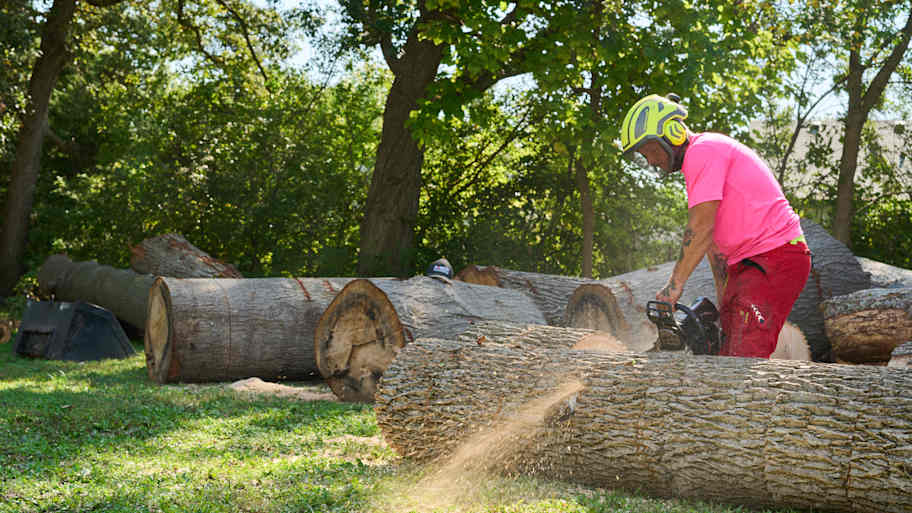
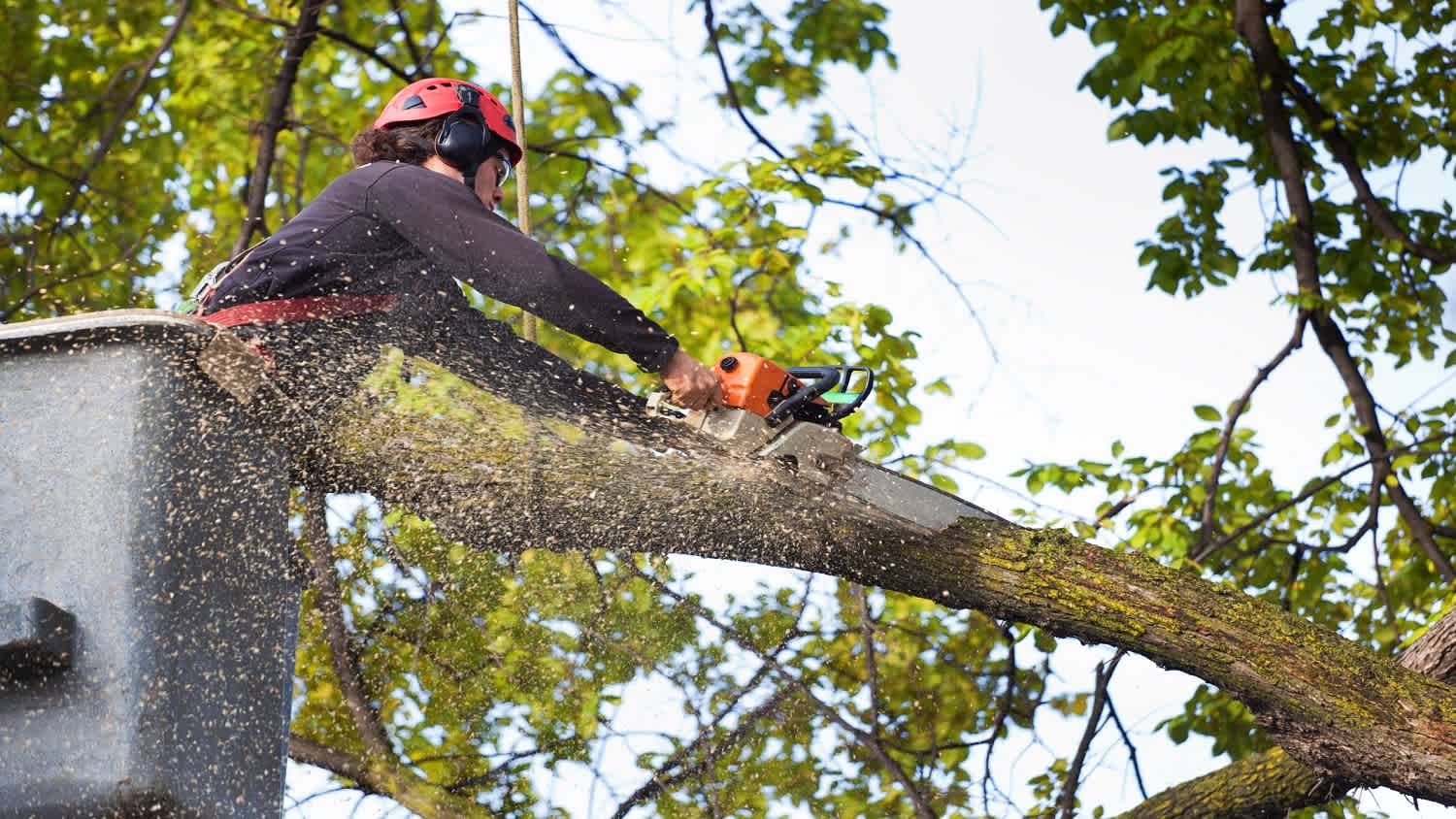
The best tools for tree removal include a chainsaw for large trees, an ax for notching and cutting down small trees, and a wedge to help control the direction a tree falls in. A hatchet can be useful for very small trees, but won’t be effective for medium to large trees.
Most trees can be successfully transplanted while they are young, but pines, walnuts, and some oak tree varieties are more difficult to move because their root systems grow deeper than most other trees. Also, trees adapted to sandy soil with wide root systems like beeches, willows, and aspens are harder to dig out because their roots spread much farther out from the trunk. In these cases, unless the trees are very young and small, it’s a good idea to consult a tree planting professional.
Tree borers are difficult to control and remove once they make a home in your tree. However, with patience and determination, some methods can slow the damage or even eliminate the pests. But, once the damage is too much for the tree to handle, the only solution becomes removing it. Talk to a tree specialist early for the best chance at saving your tree.
The Condon, OR homeowners’ guide to tree services
From average costs to expert advice, get all the answers you need to get your job done.
Tree inspections can ensure your trees stay healthy and safe, preventing costly damage. Learn how much tree inspections cost and what can affect the price.
How much does an arborist cost? This guide explains the cost of different services, ongoing expenses, and other factors to consider when hiring an arborist.
Follow these tips to learn how to find a good tree removal service. Doing a little research can help you save time and money when you need to say goodbye to your trees.
You suspect that the leaning oak tree in the back needs to come down, but can you just handle it yourself? Here are the pros and cons of calling a tree service.