

Top-rated drywall pros.

Get matched with top drywall pros in Monroe, OR

Enter your zip and get matched with up to 5 pros

Need a pro for your drywall service project in Monroe, OR?

Select your specific project to find the pro for you.

TRUSTED BY MONROE, OR HOMEOWNERS

  • Average homeowner rating star icon4.6
    Average homeowner rating
  • Verified reviews icon29
    Verified drywall services reviews

Find Drywall pros in Monroe

Avatar for Creative Solutions Painting
Creative Solutions Painting
5.0(
11
)
Drywall - RepairDrywall - Repair - For Business

Serving Monroe, OR and surrounding areas

Approved

In business since 1997

Free estimates

Warranties offered

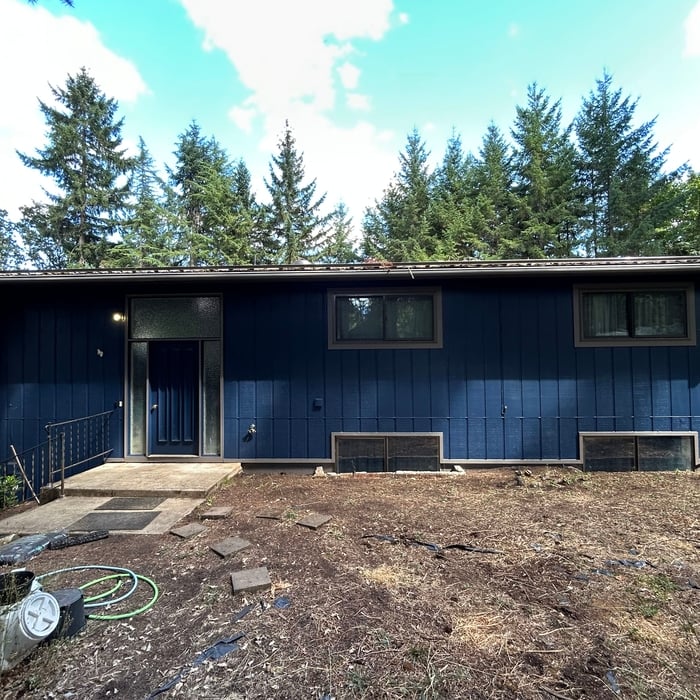
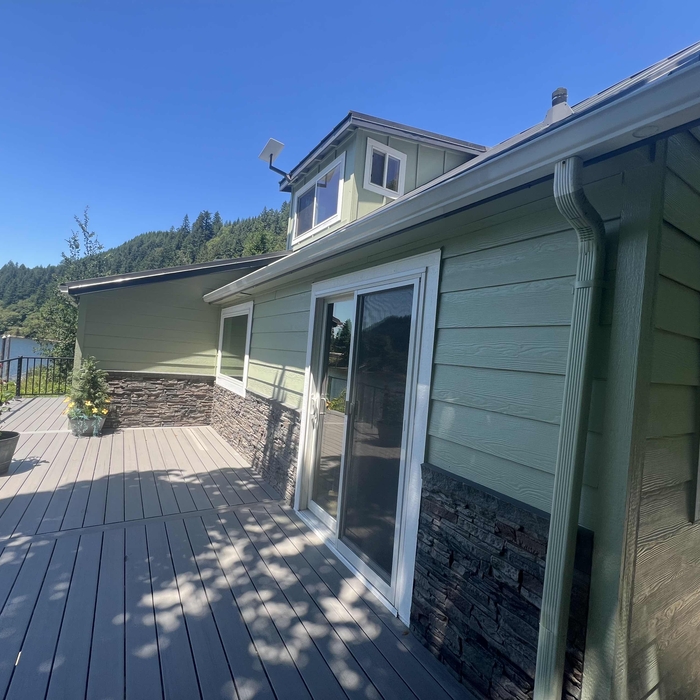
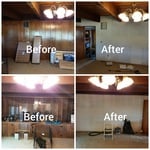
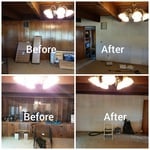
"Tony and his team did an amazing job. We were able to get the job done quickly and efficiently. They provided paint swatches and custom color matching. The site was left spotless and the house looks great. We would definitely use them again!"
Additional Photos
Response time3 days
Response rate86%
4 neighbors recently requested a quote
...
Showing 1-10 of 58
Drywall questions, answered by experts

Plastering and skimming are two different techniques for finishing walls. Plastering involves applying a thick layer of a plaster mixture—typically containing gypsum, lime, cement, sand, and water—to create a new surface. This process often requires multiple coats and is used for repairing significant damage or creating decorative textures. Skimming, on the other hand, is a technique that involves applying a thin layer of drywall compound or joint compound over an existing surface to smooth it out, covering minor imperfections, small cracks, or uneven textures for a polished look. Plastering is generally more costly and labor-intensive than skimming. Although some people use the terms interchangeably, they refer to different processes and materials.
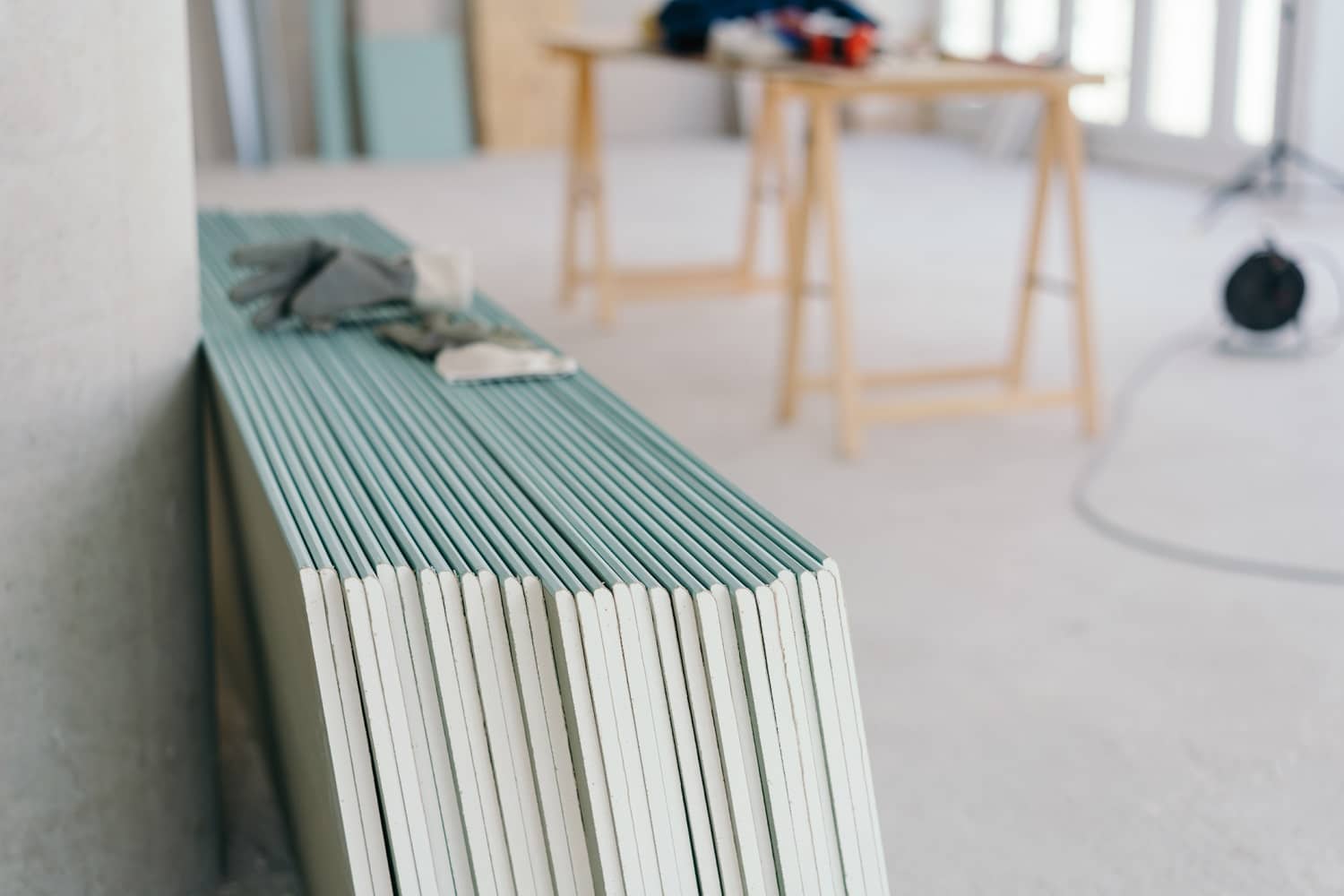
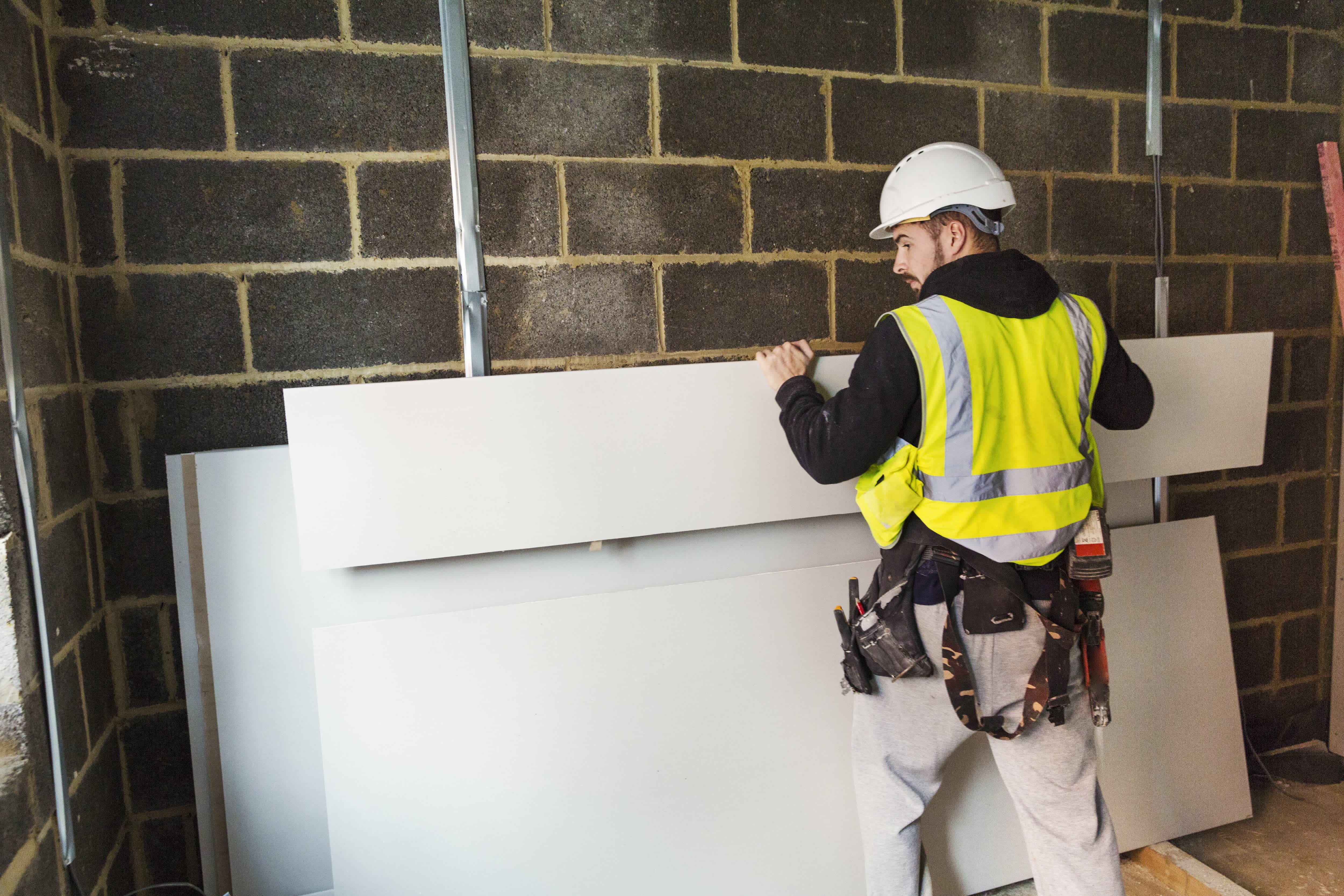
Certain drywall textures, like sand and sometimes popcorn, can be smoothed by applying skim coats, sanding the walls, or chipping away the texture. However, it’s worth considering removing the texture and starting with a blank canvas. Smoothing textured walls requires a lot of sandpaper and elbow grease and can take longer than just outright removing the texture.

If you plan on heating your garage, you must install a vapor barrier when drywalling the garage. A vapor barrier protects your garage from frost and mold that can occur through condensation. If your garage is unheated, you don't need to install a vapor barrier. The only exception is if you regularly crank the heat in your car before getting in it. In this case, you may still want to install a vapor barrier, as your car can heat your garage.

Yes, you can install drywall over plaster, but there are important factors to consider. While it can create a smooth, flat surface, it is often not the best approach. Installing drywall over plaster will increase the wall's thickness, which can cause issues with existing window and door frames that may no longer fit. You might also need to adjust power outlets to keep them accessible. A better, though more expensive, option is to remove the old plaster and lath entirely before installing new drywall. Drywalling directly over plaster seals in the old material, and if any problems arise later, you will need to remove both layers down to the structural beams for repairs. Given the potential complications, this job is best handled by professionals.

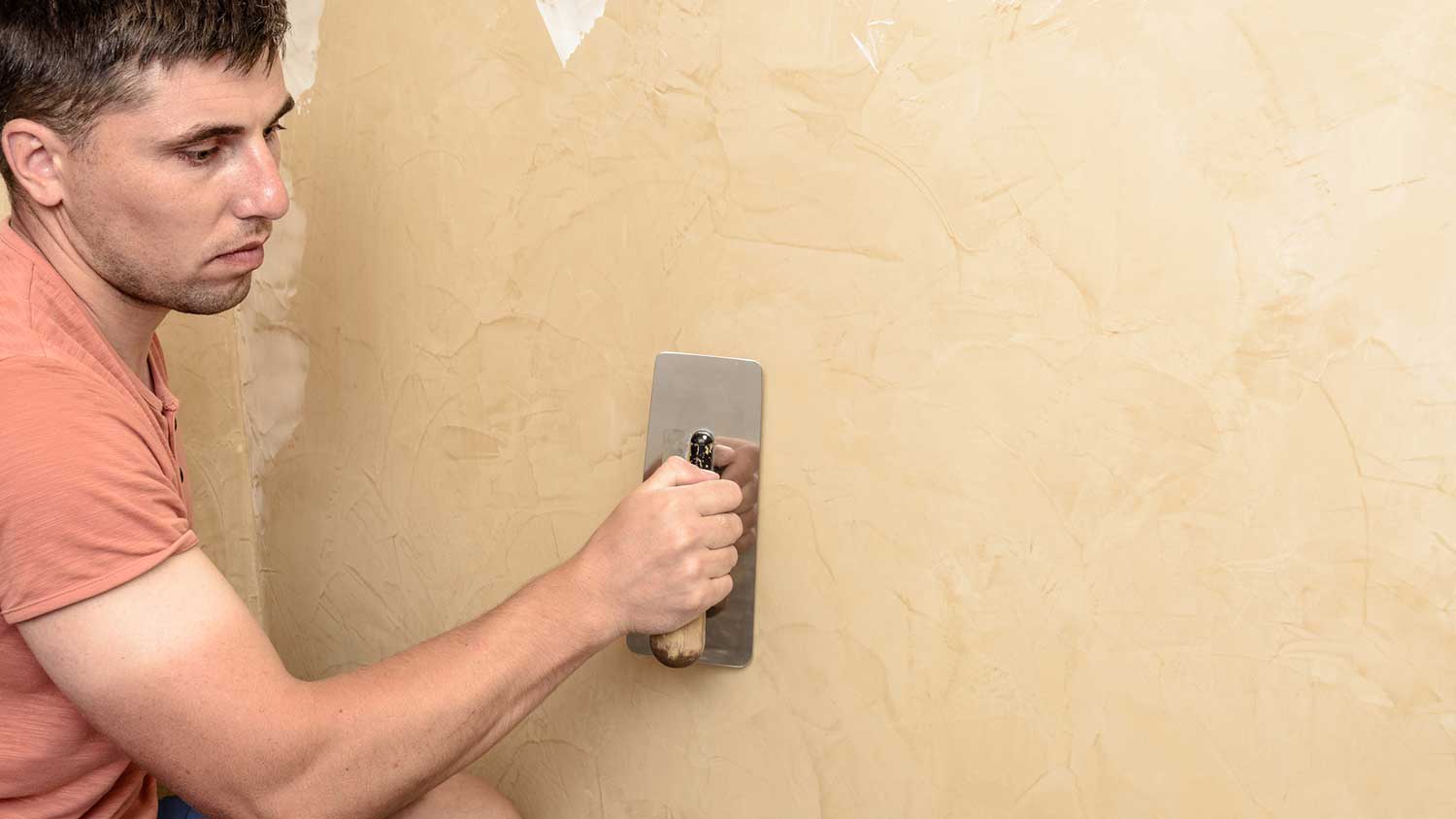
You can put drywall mud over paint to even out the surface or entirely resurface it. Sand the surface with 280-grit sandpaper, vacuum the debris and dust with a shop vac, and clean it with a slightly damp cloth. Allow the surface to dry. Apply drywall primer, especially if you’re skim-coating an entire wall. Apply the right type of drywall mud over the surface and smooth it with a trowel. Allow the layer to cure fully, then sand it before applying another layer or painting it.

The Monroe, OR homeowners’ guide to drywall services

From average costs to expert advice, get all the answers you need to get your job done.