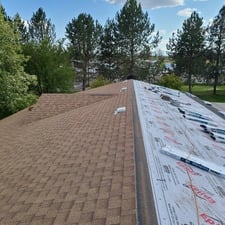
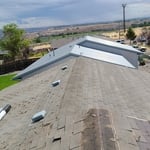
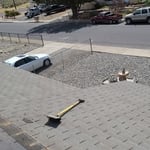
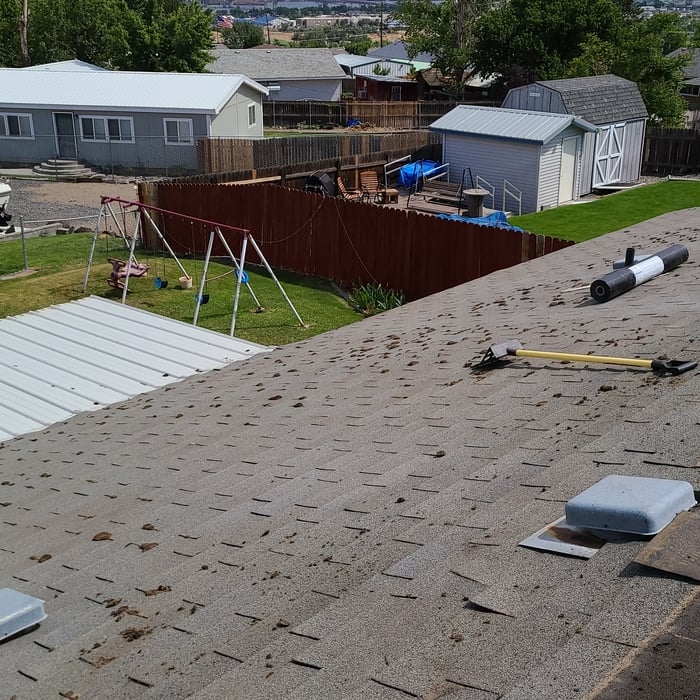
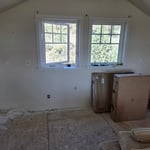
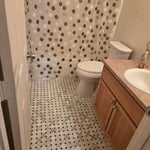
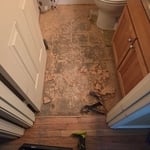
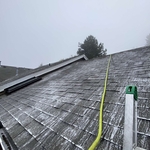
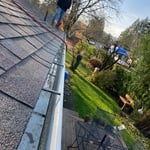
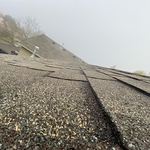
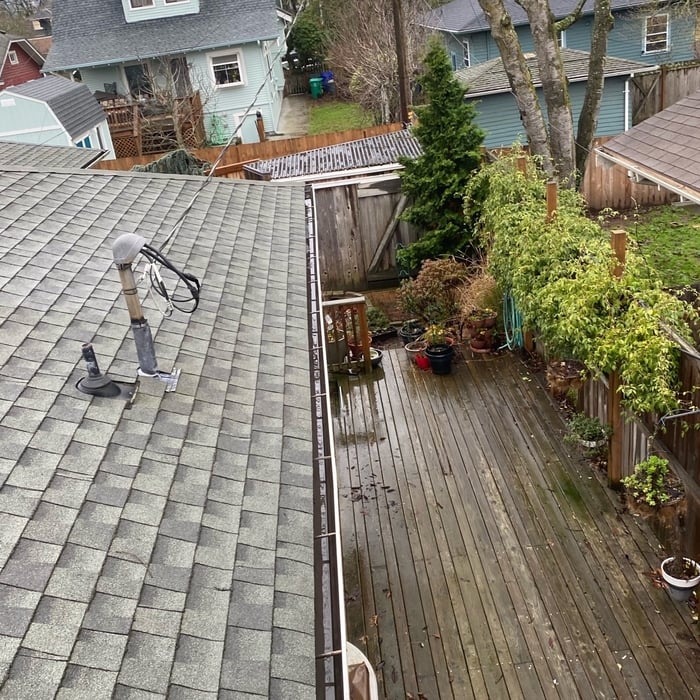
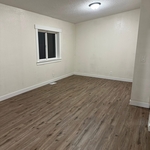
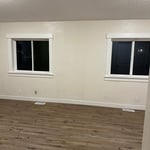
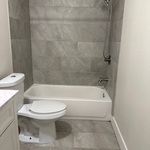
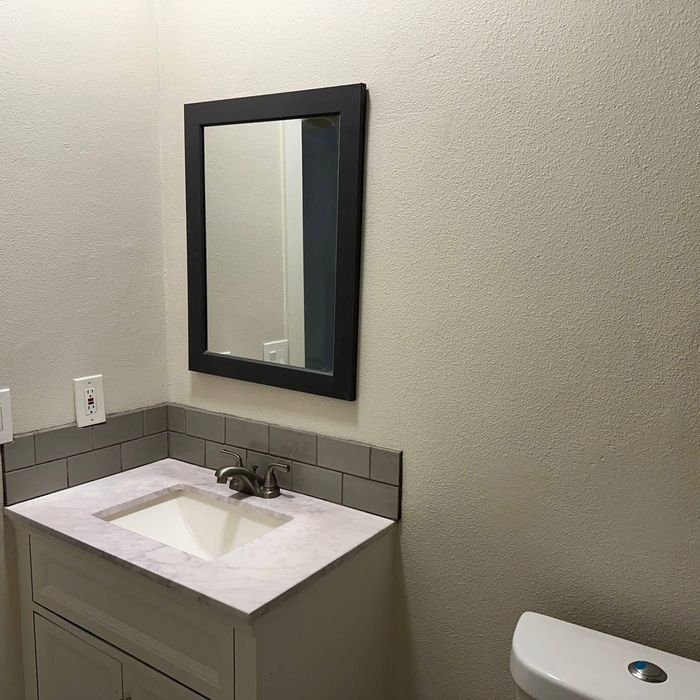
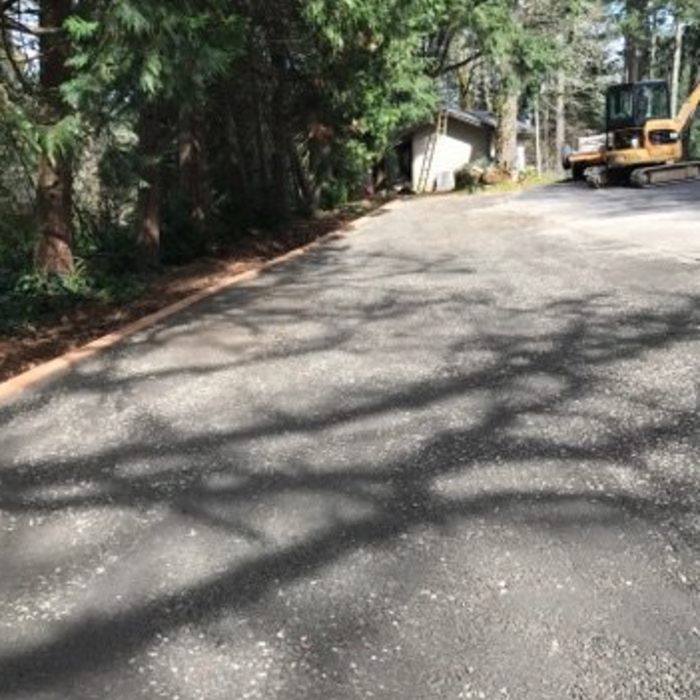
"Elias Contruction provided a detailed estimate after inspecting the roof and making some qualified recommendations. The project required a few change orders that were not clarified in writing. I would recommend hiring Elias if you get changes in writing. They cleaned up pretty well although they missed a few things due to finishing in the dark. Overall satisfied with the job and cost was 60% of other bids due to sheathing adjustment."
We pride our company on reliability, great communication, integrity, and quality work. We are experts in our trade and will do our best to keep you as educated as we can on your particular task or project. We look forward to earning your business! Book with us online or feel free to give us a call today!
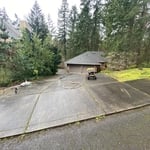
"I own a landscaping company and I needed the concrete powered washed. I contact them and i don’t regret it! They did a magnificent job. I also hired them to clean my windows for my house. They just look stunning. I totally recommend them."
"JB’s service was excellent. He listened to what I wanted and delivered beautiful results in a timely manner. If you need interior painting. He’s your guy!"
There are many benefits to raised garden beds. It’s easier to control weeds and enrich the soil. The truth is, most top soil isn’t suitable for growing veggies, and you’ll need to make adjustments. It’s easier to adjust a controlled space than a large area.
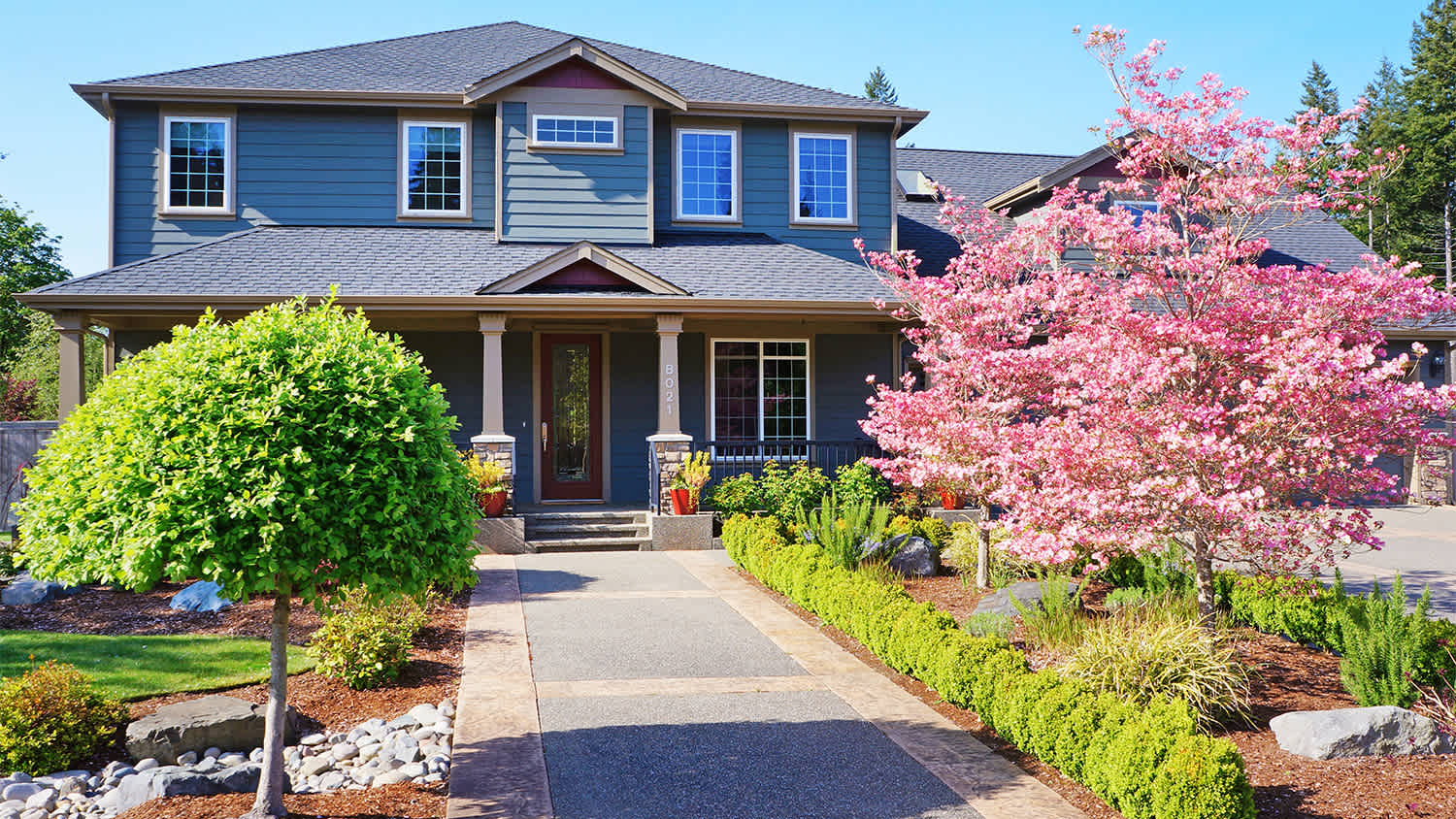
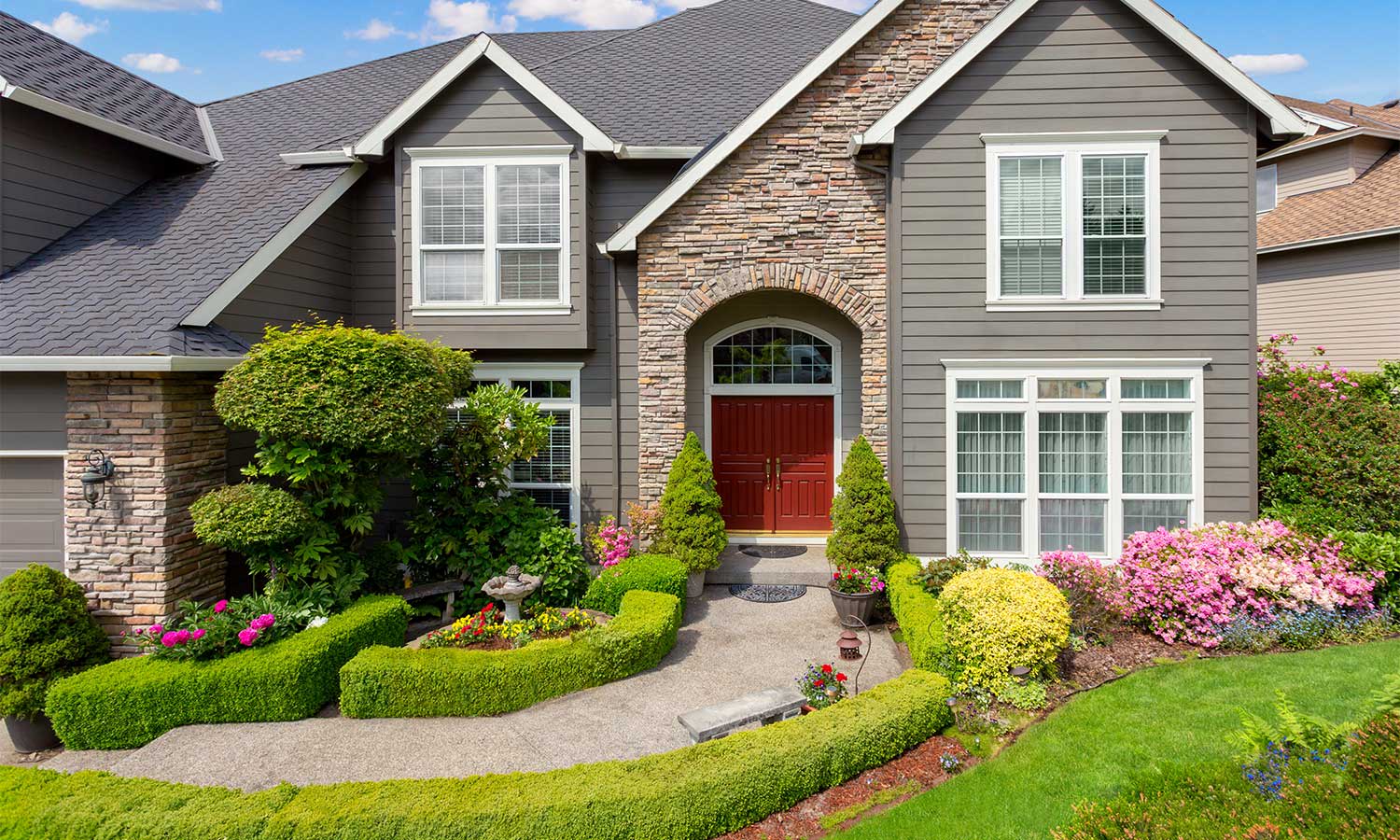
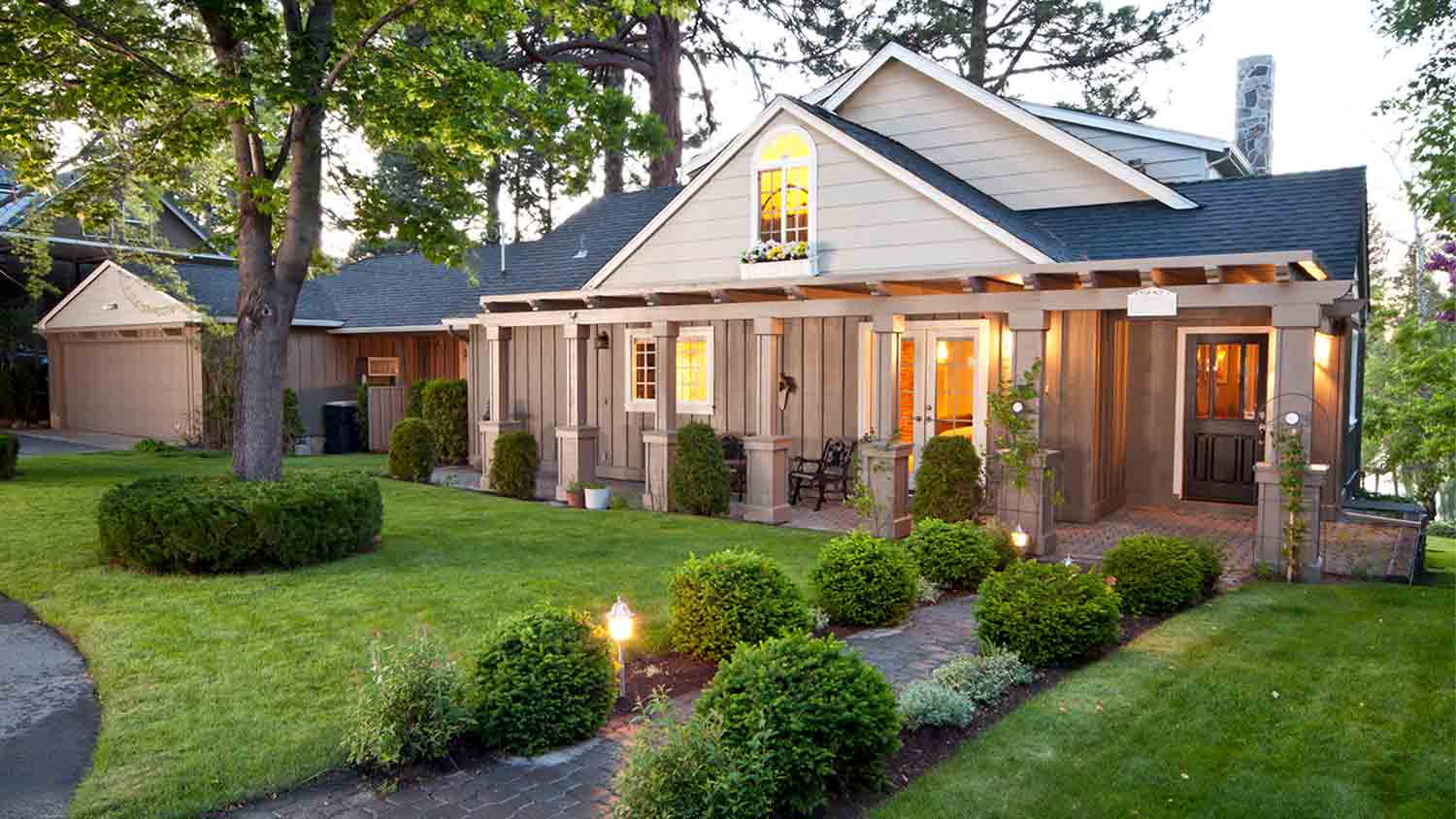
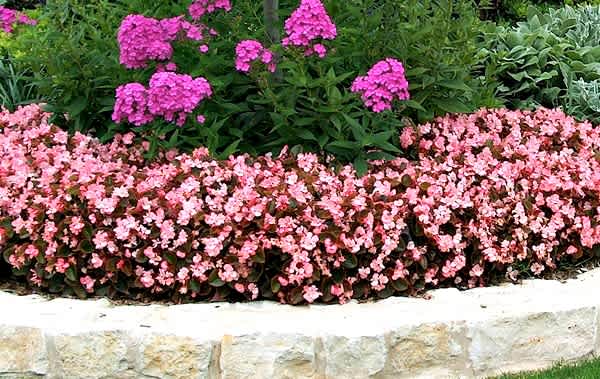
The condition and appearance of your yard can affect your home appraisal value. A well-maintained, attractive yard with curb appeal adds to a property’s value, while an overgrown, messy, poorly maintained yard can hurt your home’s appraisal. Even small cosmetic improvements to your yard, like adding mulch, trimming trees, and cleaning out plant beds, can help your appraisal value.
Grass is the most popular and safest option for planting over a septic drain field, but you can also plant small flowering plants and other lightweight plants that don’t have woody or deep roots. Avoid trees and bushes within 10 feet of the field, as the woody roots can crack the perforated pipes. You should also avoid planting vegetable or fruit gardens over your drain field, as a leak from the pipes could contaminate the soil and put anyone who eats the produce at risk.
There are many factors to consider when building an in-ground concrete pool. This includes the pool’s primary purpose (relaxation or exercise) if you live in a warm or cold climate (how often it’ll be used), and if you have the budget for chemical treatments and pool maintenance. In-ground pools are often more costly than aboveground pools, but they’re considered more luxurious and hold more value.
Yes, such as sod installation and erosion control for comprehensive site improvement.
The Fossil, OR homeowners’ guide to landscaping services
From average costs to expert advice, get all the answers you need to get your job done.
A landscape designer can elevate your outdoor space and bring your vision to life. Use this landscape design cost guide to budget for your next project.
A good landscaping website can help you land more sales and build your credibility. Read our list of must-have pages and ideas for your website to help potential clients find you and drive more business for your lawn care company.