"Well. Only problem was delay in response time after claim was filed online. Water tank started leaking Thanksgiving morning and no reply until I called the Regional Manager."
"Takes for ever to get a return a call. Also took a week to get someone out for repairs. They said they would reimburse me for septic repairs and it took over 3 months for that to happen."
At Bulldog Septic, we pride ourselves on providing quality service that customers can believe in. Whether it's pump outs, installations, or replacements, we can take care of all of your septic needs. We look forward to working with you!
With years of experience 3 Peaks Construction and Insulation LLC is who you need to take care of your home. We handle everything from the initial consultation to making sure your property looks perfect every single time. We will always treat your property as we would treat our own, and you will be surprised how simple and easy our team will make the whole process seem. Give our team a call today. We're looking forward to working with you!
We pride our company on reliability, great communication, integrity, and quality work. We are experts in our trade and will do our best to keep you as educated as we can on your particular task or project. We look forward to earning your business!
\n
Most professionals recommend that a deep well pump shouldn’t run more than 10 hours consecutively before cycling off. Overworking the well pump beyond the recommended amount can prematurely wear out your pump and burn out the motor, which means replacing it more often than you otherwise should need to. Your well pump should also come with the manufacturer’s use and maintenance recommendations that are specific to the model.
Most septic tanks need to be emptied every 3 to 5 years, but it’s a good idea to monitor the fill levels of your septic tank all the time. You can do this by installing a pressure level sensor to detect the internal tank pressure, or by having a septic tank company perform an annual inspection to let you know when you’ll need to pump the tank.
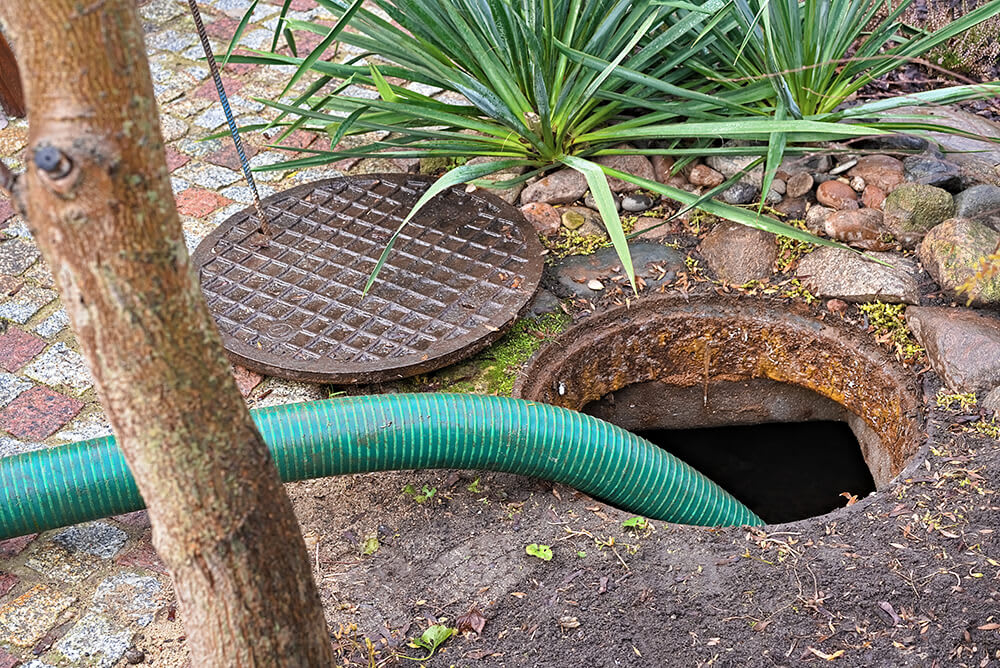
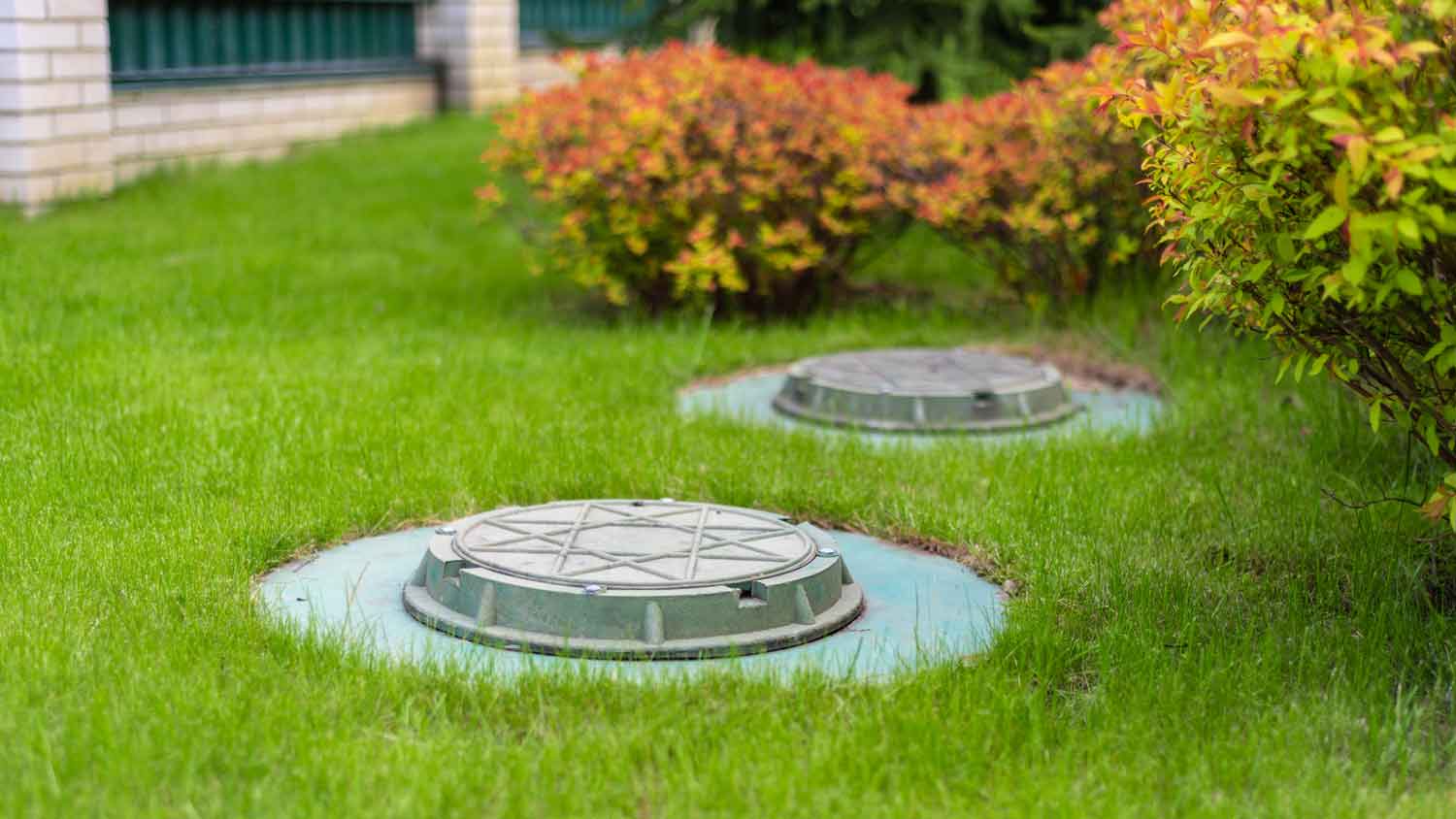
Unlike an urban sewer system that runs wastewater into a central drainage system, septic tanks are a house-by-house system. They are the ultimate destination for all your house’s wastewater—from bathtubs, showers, sinks, toilets, and washing machines. Wastewater flows into a tank buried in the ground outside your home, and then water runs from the tank to a drainage field using sloped pipes.
Most homeowners know there’s a septic system problem when they can smell one. However, this isn’t exactly a scientific deduction method. Consider some of the other signs: standing water or constantly damp earth in the drainage area, toilets and sinks that won’t drain or frequently back up, and loud plumbing. You really need to be on top of routine maintenance with septic systems in order to avoid such unpleasant symptoms of a septic issue.
A septic smell may be harmful because sewer gas is dangerous depending on the exposure amount and length of time. Sewer gas is made up of multiple gases, including hydrogen sulfide, methane, ammonia, and carbon dioxide. Some of these gases, like hydrogen sulfide and ammonia, are toxic to humans and can be fatal in high concentrations or long exposures.
The Fossil, OR homeowners’ guide to septic tank services
From average costs to expert advice, get all the answers you need to get your job done.
Caring for your septic system is crucial to ensuring its long life. But how much does it cost to pump a septic tank? We explore the different cost factors.
It’s crucial to install a septic tank with the right volume to avoid wastewater backups. This guide will help you calculate the right septic tank volume.
Septic tank sizes vary depending on the size of your home, how many people live there, how much water you use, and more. Read on to learn how to determine the right size for you.