



Top-rated plaster repair specialists.

Get matched with top plaster repair specialists in Tryon, OK

Enter your zip and get matched with up to 5 pros

Need a pro for your plaster repair project in Tryon, OK?

Select your specific project to find the pro for you.

Find Plaster repair specialists in Tryon

Avatar for Davis Powerwashing - Home  Facebook
Davis Powerwashing - Home Facebook
5.0(
7
)

Serving Tryon, OK and surrounding areas

In business since 2017

Free estimates

Offers commercial services

"Zach was very friendly and easy to work with. He wanted to make sure we were happy with the work that was done in our kitchen. He also always got back to me and responded to my messages. I would use them again!"
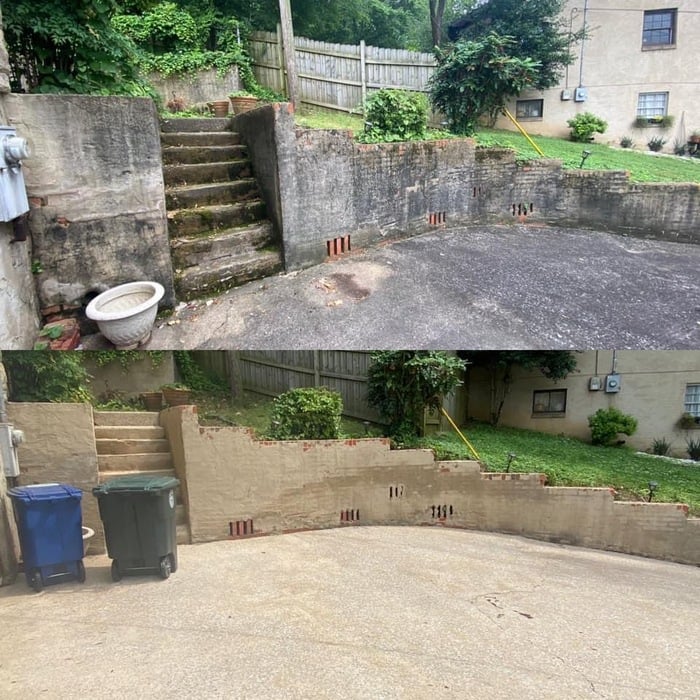
Driveway
Vinyl Siding
Vinyl Siding
Driveway
Retaining Wall

+10

Response time3 days
Recommended by50%of homeowners
Avatar for Smith Bro's Construction
Smith Bro's Construction
3.9(
12
)

Serving Tryon, OK and surrounding areas

In business since 2000

Free estimates

Emergency services offered

"Price was very competitive, they were very knowledgeable, but I had to defer this project until 3Q 2017, and hope they'll be able to work this project into their schedule."
carport
carport
carport
carport
deck

+21

Response time1 day
Recommended by80%of homeowners
Chemelo's Plastering LLC
New to Angi

Serving Tryon, OK and surrounding areas

In business since 2023

Free estimates

Credit card accepted

We take great pride in our experience, expertise, quality, and customer service that we provide to meet the consumer's needs. It is our mission to provide excellent workmanship and complete customer satisfaction, from the start to the completion of a project. In order to understand the needs and expectations of our customers, we take great care to work and communicate with every customer in a professional manner. Our reputation is based on service, safety, and quality, regardless of how large or small the job.\n

Showing 1-10 of 31
Plaster Repair questions, answered by experts

Plaster ceilings can sag for several reasons. In some cases, the plaster and other building materials shift and come apart over time, which is why you’ll commonly find drooping plaster ceilings in older homes. Improper installation, foot traffic, and water damage—often from a leaky roof or a broken pipe—can also cause plaster ceilings to sag.

The short answer is yes, a sagging plaster ceiling is dangerous. Sagging plaster on a wall is something you should fix immediately, but it isn’t a major concern. If the same type of sagging occurs on a ceiling, however, you could be in danger of your ceiling falling in large chunks. When plaster sags, it loses its strength and ability to hold itself up. The bonds that hold it together are strong, though, so if a sagging area falls, it will take large pieces down with it.

Plaster is a pretty tough surface, but it can still sustain damage from things like bumping against it, water issues, dampness, extreme humidity changes, and plain old age. Most plaster walls last hundreds of years and will only be taken down to the base layer when major repairs are required. Being cautious around the wall, not placing furniture against it, and ensuring stable humidity are all great ways to reduce possible damage.

Plaster walls typically last between 30 and 70 years, but depending on the quality of the materials and the moisture levels in the building, they can last for over 100 years. With expert application and consistent maintenance, plaster can even last for centuries. To extend its lifespan, it is important to have the plaster professionally installed, address any water damage promptly, and repair small cracks as they appear. Regular inspections by a professional can help identify and address concerning cracks before they become significant issues.

Although they are used for similar tasks, spackle and joint compound are not the same. Joint compound, also known as drywall mud, consists of limestone and gypsum and is primarily used for large-scale projects like taping and finishing seams on new drywall. Spackle is composed of gypsum and binding agents, making it a thicker compound best suited for small wall repairs like filling nail holes or cracks, as it dries quickly and is easy to sand. For small repairs, either product can be suitable. However, you can use joint compound for small jobs in place of spackle, but you cannot use spackle for large-scale taping and mudding projects.

The Tryon, OK homeowners’ guide to plaster repairs

From average costs to expert advice, get all the answers you need to get your job done.