Top-rated drywall pros.

Get matched with top drywall pros in Mustang, OK

Enter your zip and get matched with up to 5 pros

Need a pro for your drywall service project in Mustang, OK?

Select your specific project to find the pro for you.

TRUSTED BY MUSTANG, OK HOMEOWNERS

  • Average homeowner rating star icon4.6
    Average homeowner rating
  • Verified reviews icon97
    Verified drywall services reviews

Find Drywall pros in Mustang

Avatar for Crc drywall & construction llc
Crc drywall & construction llc
5.0(
22
)
Drywall - InstallDrywall - RepairDrywall - Install - For Business+1 more

Serving Mustang, OK and surrounding areas

Approved

Super Service Award Winner

In business since 2023

Free estimates

Credit card accepted

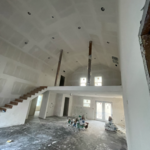
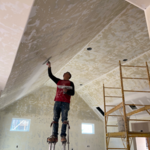
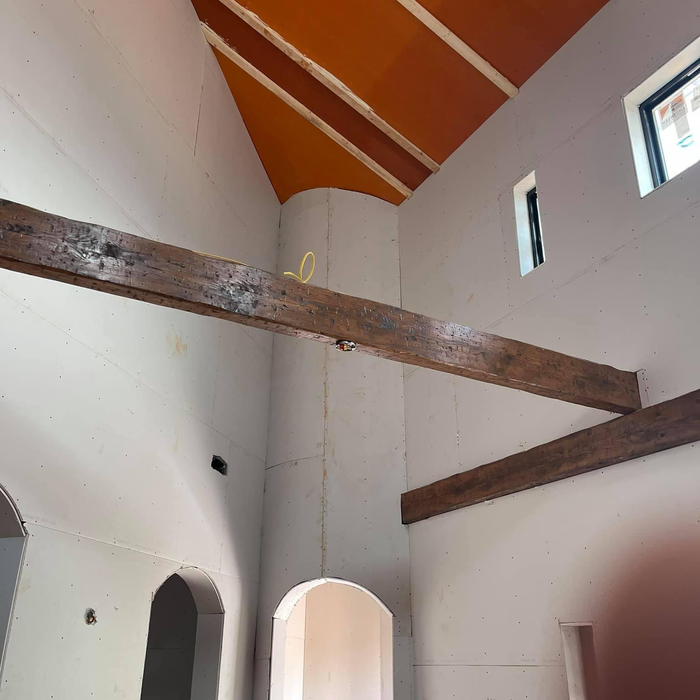
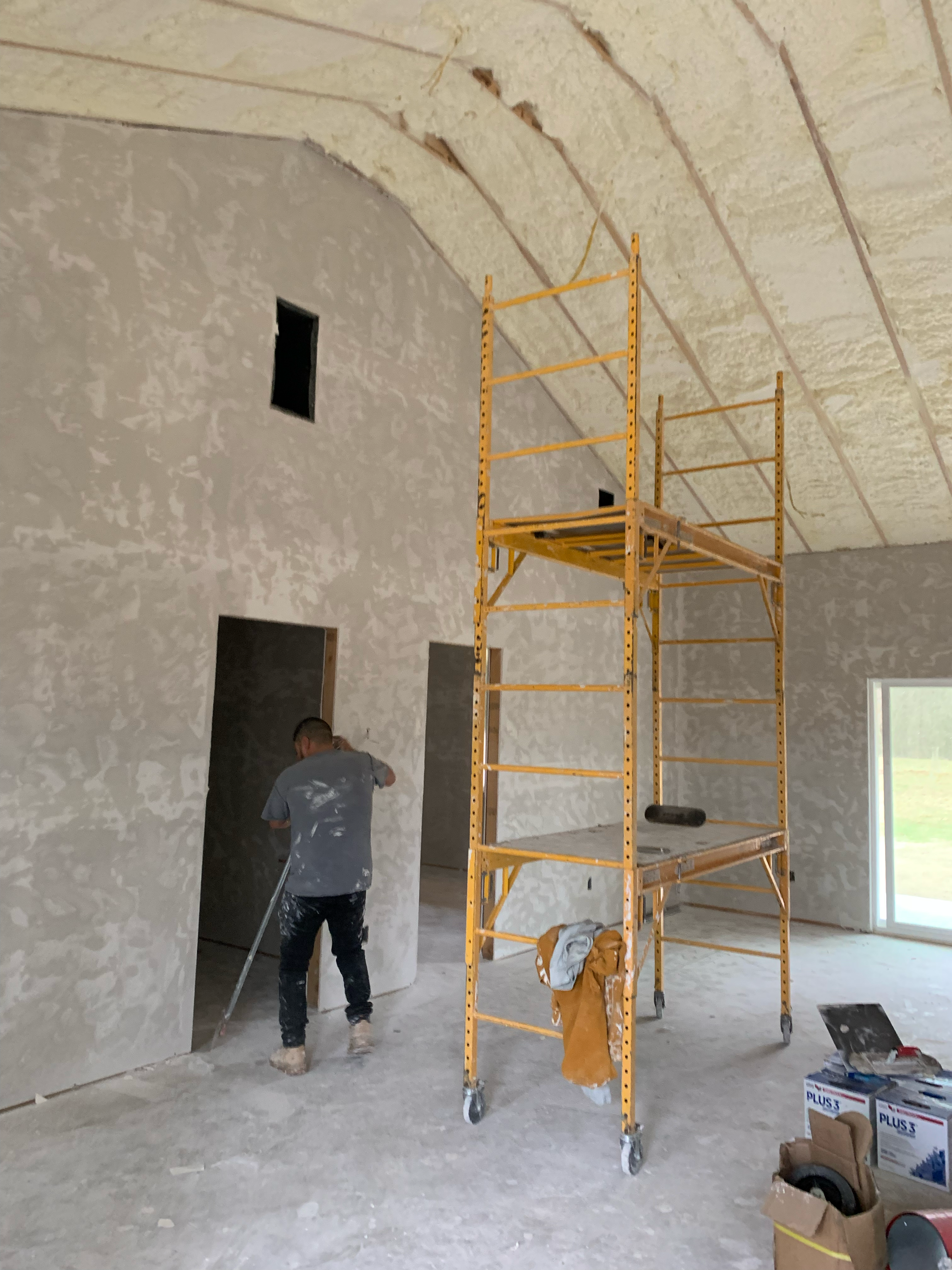
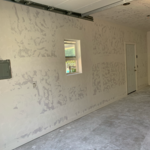
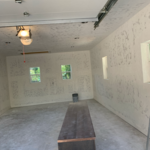
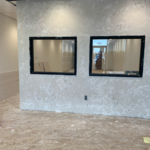
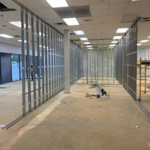
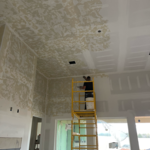
"CRC Drywall did a phenomenal job on our 5,400 square foot venue. Their team was professional, efficient, and delivered high-quality work from start to finish. Everything was completed ahead of time, and the results exceeded our expectations. We look forward to working with them again in the future."
Additional Photos
Additional Photos
Additional Photos
Additional Photos
Additional Photos

+16

Response time5 days
4 neighbors recently requested a quote
Recommended by90%of homeowners

I.Lopez Construction
5.0(
15
)
Drywall - InstallDrywall - Repair

Serving Mustang, OK and surrounding areas

Approved

Free estimates

Warranties offered

Small jobs welcome

"They were prompt on both mornings they worked putting down tile one day and laminate flooring the next day. They cleaned up their work area before leaving the first day and by the end of the second day our home was back to it's new and improved self. The quality of work was A+. I will definitely call them for my next project."
Bathroom remodel
Bathroom remodel
Bathroom remodel
Recommended by100%of homeowners

...
Showing 1-10 of 291
Drywall questions, answered by experts

Only use spackle on plaster walls when the imperfection is small. It’s best used for nail holes or small dings in the plaster. Spackle dries quickly, allowing you to continue the repair process shortly after using it. Plaster can be tricky to repair, though, so if you run into issues, call a pro so that you don’t risk further damage.

Water-damaged drywall should almost always be replaced. Not only does it look bad, it’s a breeding ground for toxic mold. Even if you think the area is dry and there’s no active leak, the only way to be sure is to cut out the damaged area and see for yourself.

The two most common drywall thicknesses for ceilings are 1/2-inch and 5/8-inch. For most standard residential applications, 1/2-inch drywall is sufficient and widely used. It provides adequate support and is lighter and easier to handle during installation compared to thicker sheets. However, 5/8-inch drywall is often used for specific cases where additional benefits are needed. It is heavier but provides superior sound dampening and fire resistance. You should consider using 5/8-inch drywall for ceilings in commercial buildings, between a garage and a living space, or above a finished basement to meet building codes or for enhanced soundproofing.

You should do a little bit of sanding between adding coats of mud. Knock down any ridges or significantly imperfect areas through sanding, which should help you apply the next coat of mud smoothly. If your first coat of mud is pretty smooth after it dries, a quick sanding is all you’ll need. Don’t forget to wipe away any dust after each sanding process.

Although they have similar applications, spackle and joint compound are not the same. Their primary differences lie in their composition, consistency, and ideal use cases.

Spackle is composed of gypsum and binding agents, making it thicker than joint compound. It dries quickly and is easy to sand, which makes it ideal for small wall repair projects like filling nail holes or patching minor damage.

Joint compound, also known as drywall mud, consists of limestone and gypsum. It is primarily used for large-scale projects, such as taping and finishing the seams on newly installed drywall. It tends to shrink more than spackle and can be more difficult to spread.

While both products can be used to fill small depressions and cracks, spackle cannot replace joint compound for taping and mudding new drywall. Conversely, you can often use joint compound for small patching jobs typically done with spackle.

The Mustang, OK homeowners’ guide to drywall services

From average costs to expert advice, get all the answers you need to get your job done.