


Top-rated drywall pros.

Get matched with top drywall pros in Chickasha, OK

Enter your zip and get matched with up to 5 pros

Need a pro for your drywall service project in Chickasha, OK?

Select your specific project to find the pro for you.

Find Drywall pros in Chickasha

L and L Adventures
New to Angi
Drywall - InstallDrywall - Repair

Serving Chickasha, OK and surrounding areas

Approved

Free estimates

Emergency services offered

Warranties offered

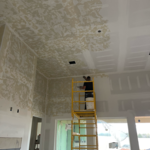
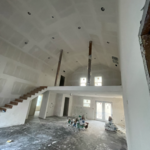
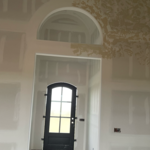
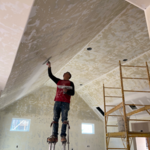
Hi, my name is Tommy and I'm the owner and operator of l and L Adventures. A small company formed so I can meet the needs of individuals in need of a variety of jobs completed. My service extend from small home and farm repairs and services to remodels, custom drywall finishing and textures, landscaping and planning, painting and much much more. \nTogether we can find an innovative solution to meet your needs. God provides and if we love him and one another the same we will surely make him smile. Free estimates. Call me anytime to chat about what I can do for you.

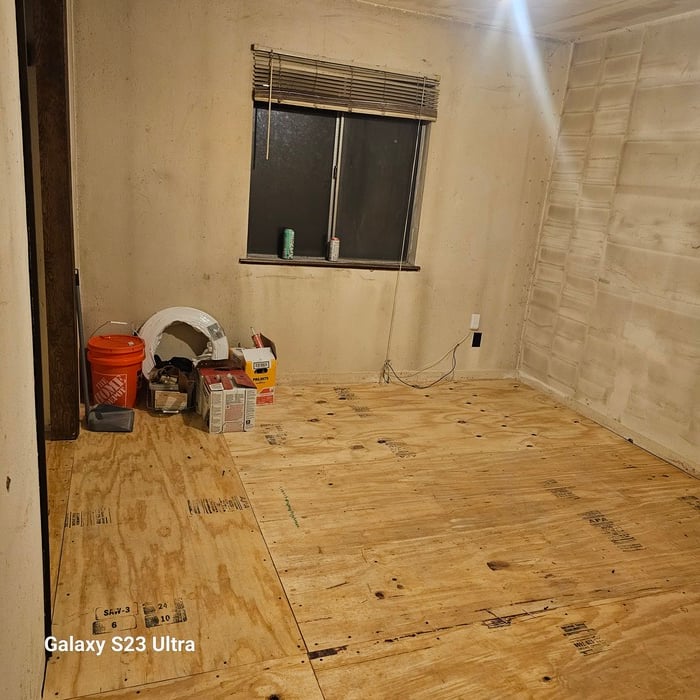
Subfloor replacement

+15

...
Showing 1-10 of 132
Drywall questions, answered by experts

Plastering and skimming are two different techniques for finishing walls. Plastering involves applying a thick layer of a plaster mixture—typically containing gypsum, lime, cement, sand, and water—to create a new surface. This process often requires multiple coats and is used for repairing significant damage or creating decorative textures. Skimming, on the other hand, is a technique that involves applying a thin layer of drywall compound or joint compound over an existing surface to smooth it out, covering minor imperfections, small cracks, or uneven textures for a polished look. Plastering is generally more costly and labor-intensive than skimming. Although some people use the terms interchangeably, they refer to different processes and materials.

When doing a DIY paint job, it can be tricky to achieve the perfect, straight line between your wall and ceiling. There are several methods, including lining it with painter’s tape and using the “cut in” brush tactic. Some homeowners choose to apply a thin line of caulk to the wall-ceiling seam to create the appearance of a perfect line.
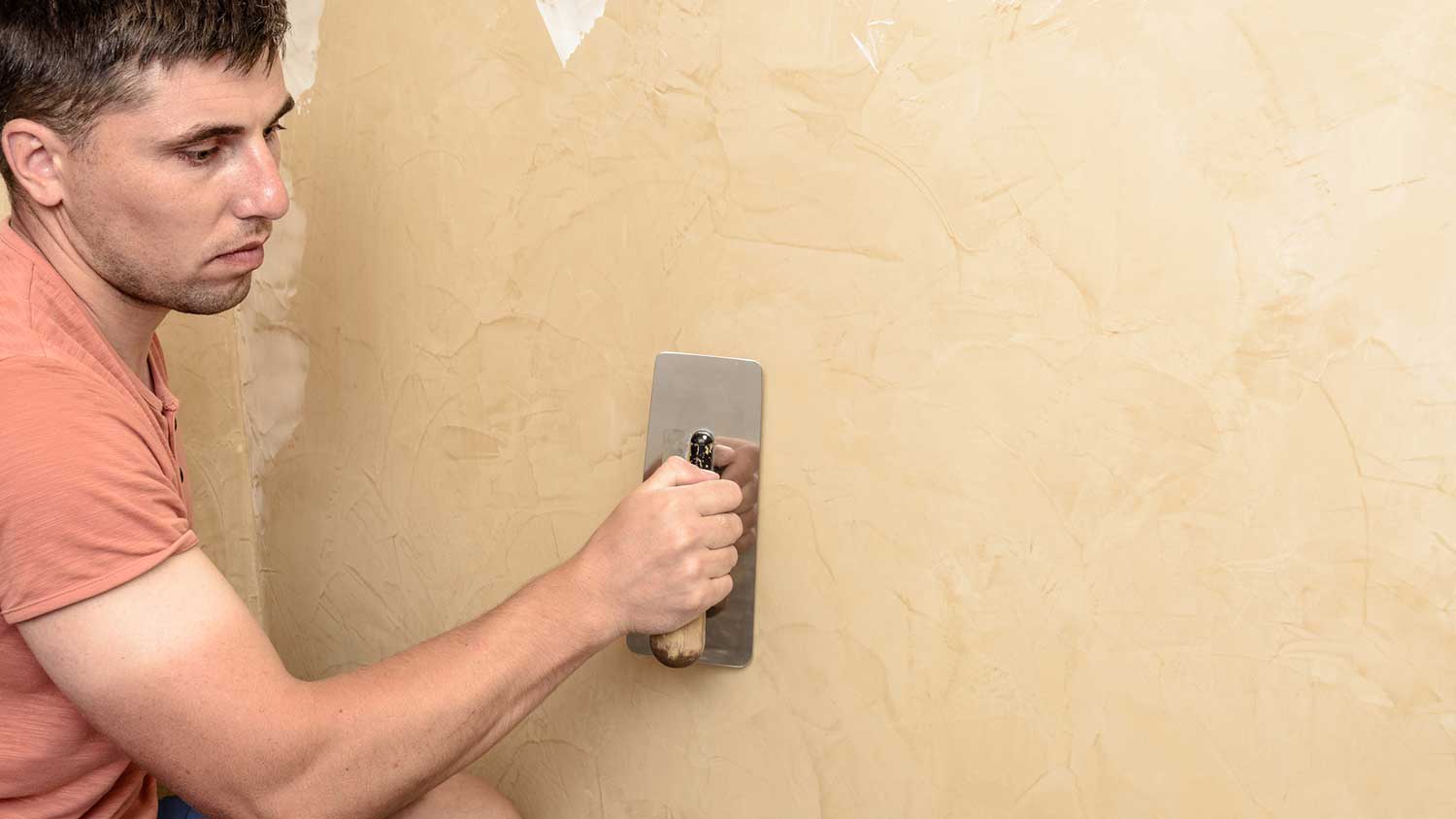
Yes, you can speed up the time it takes for plaster to dry, but it's important to do so carefully to avoid issues like cracking or crumbling. Proper ventilation is key; open a window or use a fan to circulate air in the room. Heat can also accelerate drying, but be cautious, as too much heat can cause the plaster to dry too quickly and crack. Check the plaster's packaging for the recommended drying temperature and set the room's thermostat accordingly. While managing humidity is important, avoid using a dehumidifier, which can remove moisture too aggressively and result in crumbly plaster.

Although they have similar applications, spackle and joint compound are not the same. Their primary differences lie in their composition, consistency, and ideal use cases.

Spackle is composed of gypsum and binding agents, making it thicker than joint compound. It dries quickly and is easy to sand, which makes it ideal for small wall repair projects like filling nail holes or patching minor damage.

Joint compound, also known as drywall mud, consists of limestone and gypsum. It is primarily used for large-scale projects, such as taping and finishing the seams on newly installed drywall. It tends to shrink more than spackle and can be more difficult to spread.

While both products can be used to fill small depressions and cracks, spackle cannot replace joint compound for taping and mudding new drywall. Conversely, you can often use joint compound for small patching jobs typically done with spackle.

Eco-friendly options reduce environmental impact and often improve indoor air quality.

The Chickasha, OK homeowners’ guide to drywall services

From average costs to expert advice, get all the answers you need to get your job done.