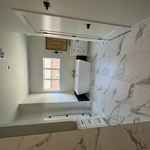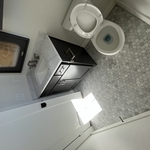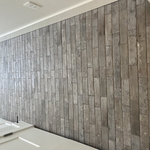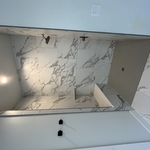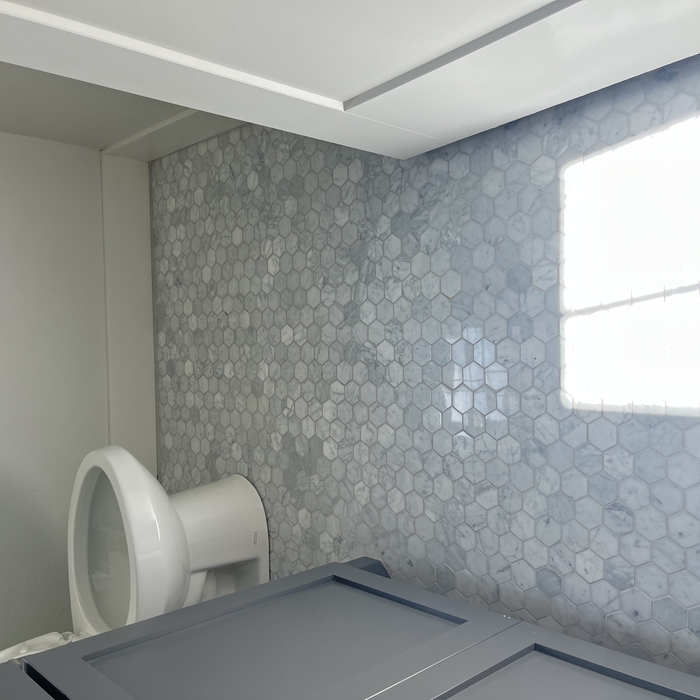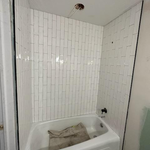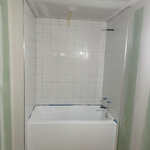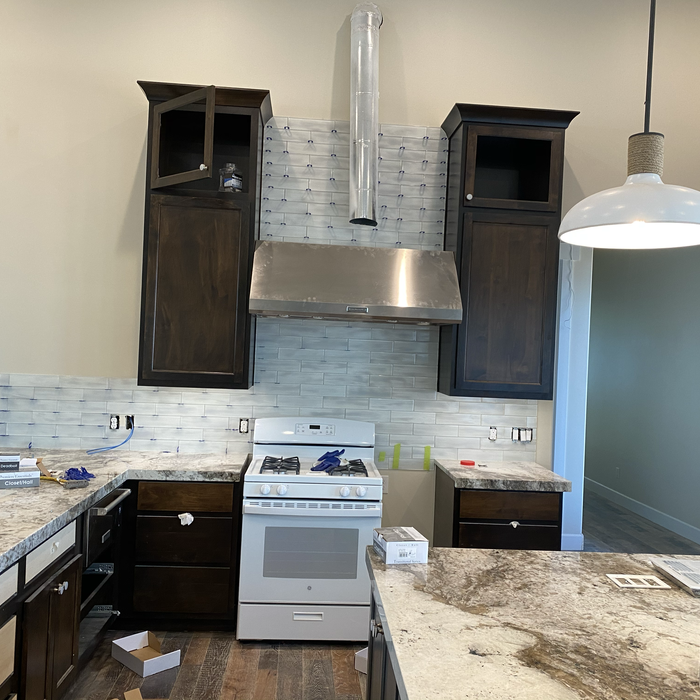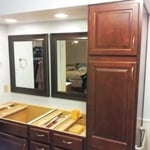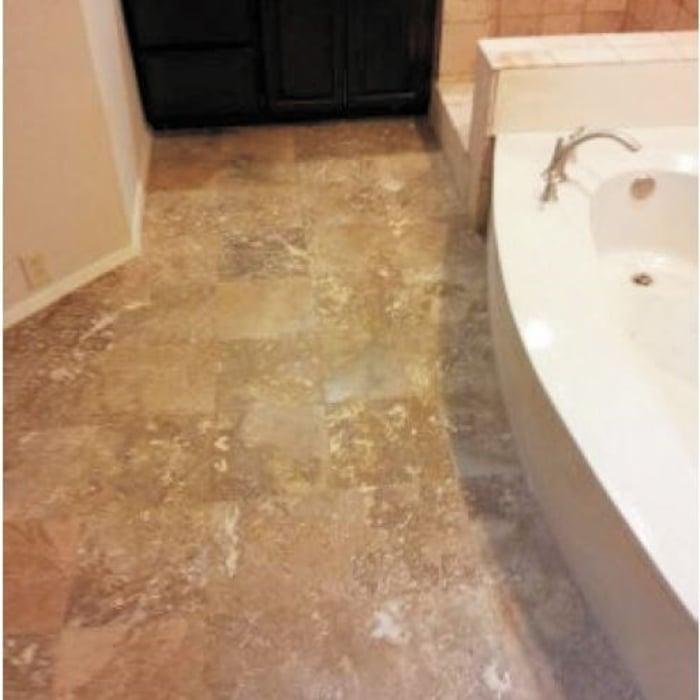






"He does beautiful tile work, and he knows what he is doing. I would have appreciated more prep work prior to starting to protect my floors they were walking over, as well as a warranty option."
"Austin was very professional, responded quickly and got the job done very quickly for me! Very reasonable, and great quality. Can’t wait for him to come do more work for me."
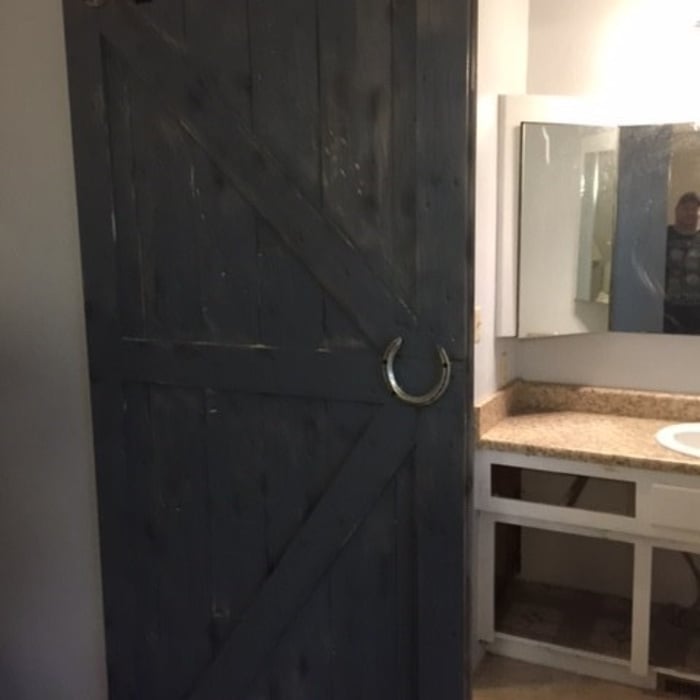
"Mr. Salazar was very punctual he actually showed up earlier than time quoted. He gave a heads up that he could be there earlier. He performed a very satisfactory Job. He rehung doors that were taken off previously. No, problems whatsoever completing the job would definitely rehire."
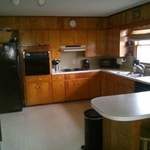
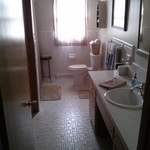
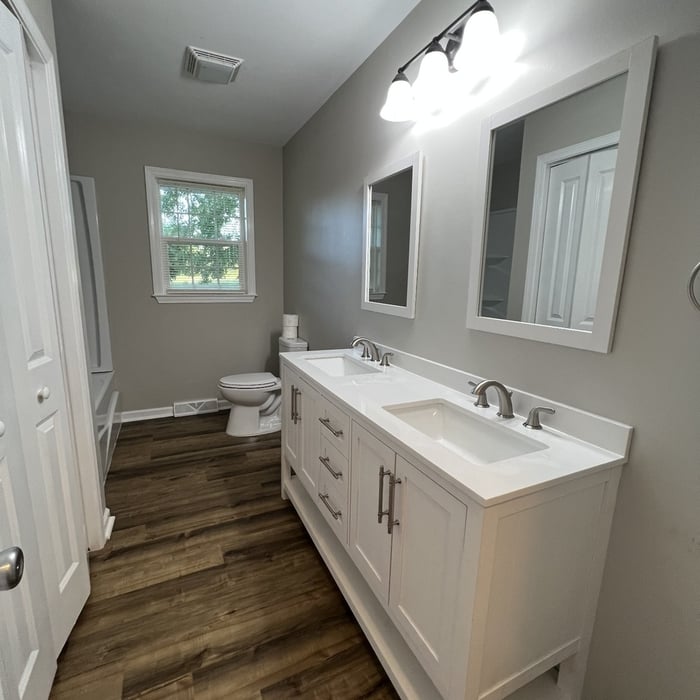
"I had vinyl tile installed in one bathroom and the kitchen and carpet installed in the dining room, living room, 3 bedrooms and hallway. I have received several compliments about the quality of the work and the carpet and tile. The work was done very well and the financing available made it a very good choice."
"TS has done several jobs for me. ALWAYS fair priced, done correctly, cleaned up after. Polite, NO NONSENSE BUSINESS. Highly recommend TS for any job around the house."
Yes, your shower pan goes underneath your tiling and helps prevent excess water from seeping into the floor. Without the shower pan under your tile, water will seep through the grout and into the flooring. This will eventually lead to mold growth and serious water damage that could cost thousands of dollars to fix.
Tile shouldn’t be set tight against the tub. Bathtubs can expand when filled, and they can shift slightly with the weight of occupants. For this reason, it’s important to leave a slight gap between the bathtub and the first row of tile. Aim for a narrow gap of approximately 1/16 of an inch, filled with caulk, to allow for this expansion and movement while still allowing for tile shower waterproofing.
Many homeowners have successfully retiled a bathroom themselves. It can be a challenging but rewarding process, but it’s best for someone who already has at least intermediate DIY skills.

When choosing between porcelain and ceramic tile, the best option depends on your specific needs, budget, and project application. Porcelain tile is generally more durable, denser, and harder than ceramic, making it a good choice for busy, high-traffic areas. It also offers superior moisture resistance, making it ideal for moisture-retaining spaces. However, porcelain is typically more expensive, and its hardness can make it brittle, potentially causing it to crack if a heavy object is dropped on it. In contrast, ceramic tile is a more budget-friendly option with lower material and installation costs. It is softer and easier to work with, making it a great choice for DIY projects. While not as durable as porcelain, ceramic is still a quality material suitable for many home applications, particularly small, decorative projects.
Options include clay, concrete, and slate tiles. Each offers unique durability, aesthetics, and costs.
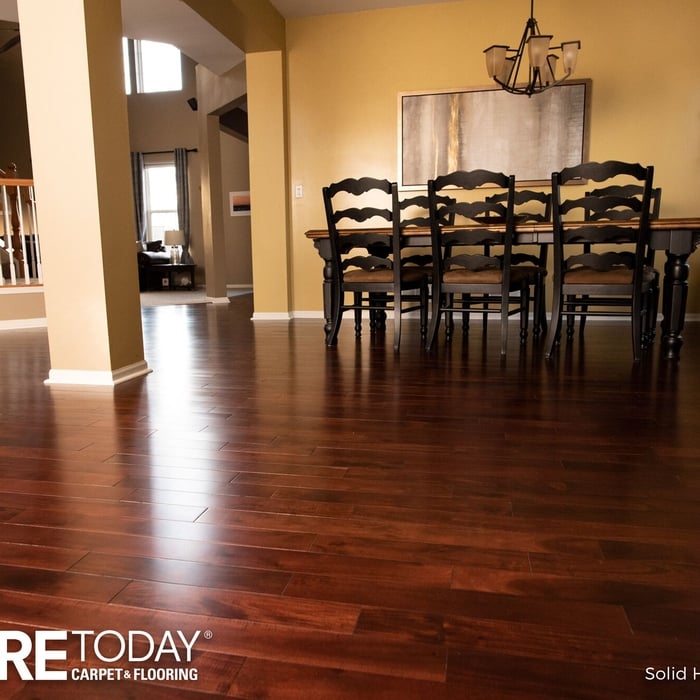
The Mcalester, OK homeowners’ guide to ceramic tile services
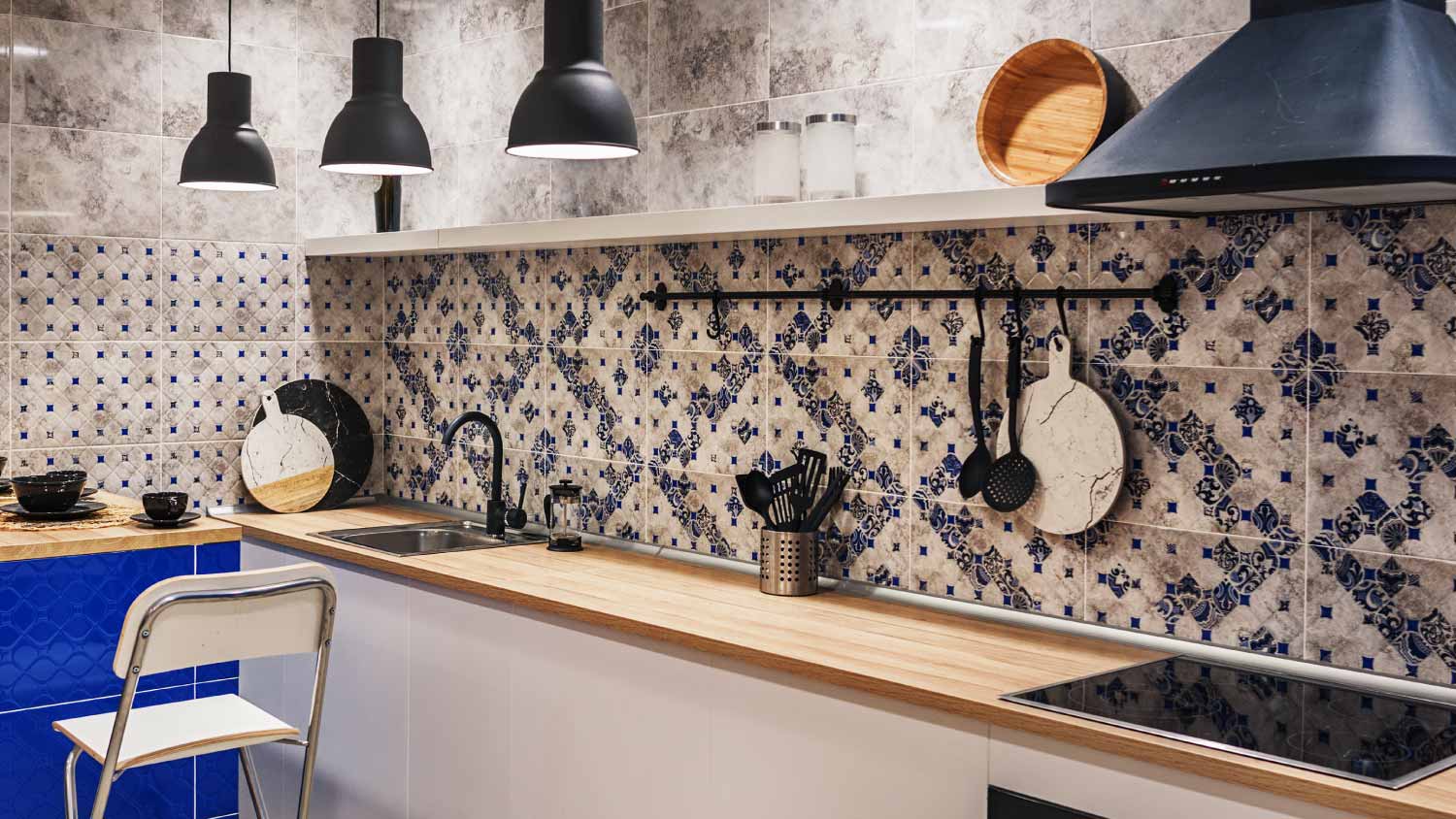
From average costs to expert advice, get all the answers you need to get your job done.
Whether it’s on your floor, walls, or shower, ceramic tile can add style to your space. So, how much does ceramic tile installation cost? Let’s break it down.
Learn how to hire a ceramic tile repair professional with confidence. Discover essential questions, qualifications, and costs to find the right expert for your project.
Porcelain and ceramic tiles aren’t exactly the same. Discover the key differences between porcelain versus ceramic tile, including cost, durability, and more.
Ceramic tile as a flooring option boasts a long list of advantages over other surfaces. However, there are also some key drawbacks worth considering. We’ve rounded up both the pros and the cons of ceramic tile into a helpful list.
You don’t always need a pro for ceramic tile installation. Follow these seven simple steps to transform the floor of any room in your home into the perfect space.