




H.E.R.C Painting and Coating
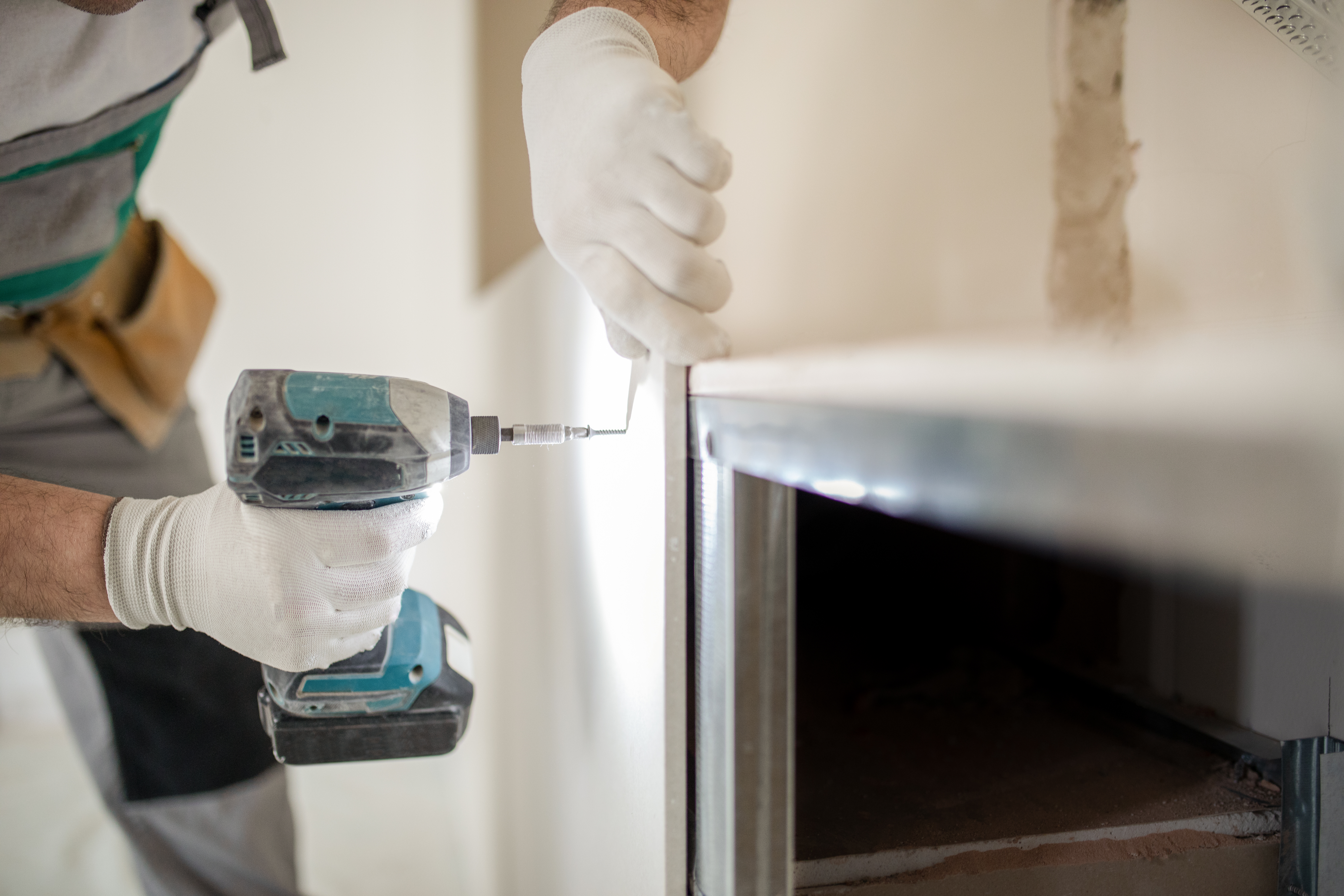
Drywall - Repair
Serving Peggs, OK and surrounding areas
Approved
In business since 2025
Free estimates
Credit card accepted
"Painted interior rooms. Fast, very good work!"
1 neighbors recently requested a quote
*The Angi rating for Drywall Service companies in Peggs, OK is a rating based on verified reviews from our community of homeowners who have used these pros to meet their Drywall Service needs.
*The HomeAdvisor rating for Drywall Service companies in Peggs, OK is a rating based on verified reviews from our community of homeowners who have used these pros to meet their Drywall Service needs.
Last update on August 11, 2026
Serving Peggs, OK and surrounding areas
Approved
In business since 2025
Free estimates
Credit card accepted
"Painted interior rooms. Fast, very good work!"

Serving Peggs, OK and surrounding areas
Approved
Emergency services offered
Small jobs welcome
Credit card accepted
"The best people I have ever met and super helpful and affordable 10/10 would highly recommend"
+16
Serving Peggs, OK and surrounding areas
Approved
We offer excellent quality for a fraction of the proce
Serving Peggs, OK and surrounding areas
Approved
Free estimates
Emergency services offered
Warranties offered
Local honest Christian just looking for odd jobs to make a little extra income no set price’s we can discuss what you think is fair for my time and effort

Serving Peggs, OK and surrounding areas
Approved
Hi there!\n\nLet me know know how I can assist with your home needs, would love to get in touch and provide quality construction services for YOU. \n\n~Blessings!
Serving Peggs, OK and surrounding areas
Approved
Free estimates
Emergency services offered
Warranties offered
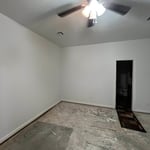
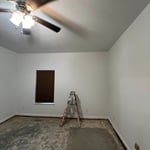
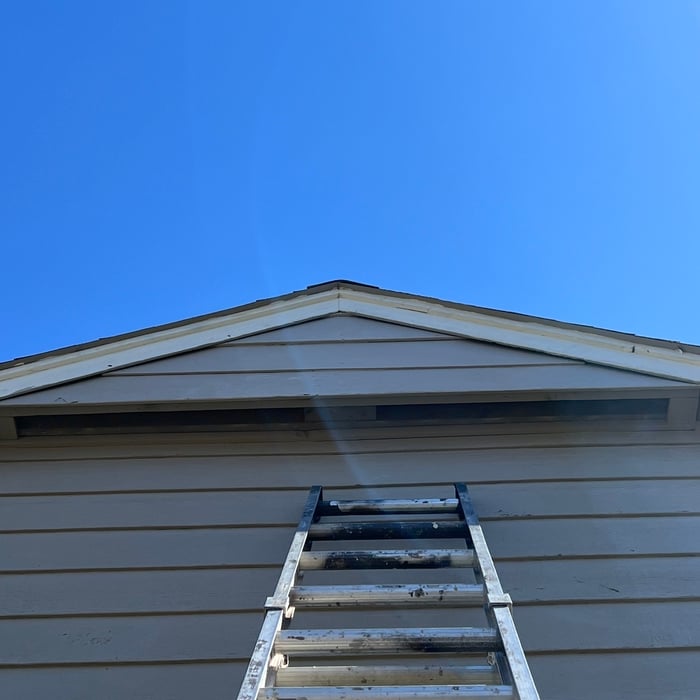
Cross Point Home Services LLC provides reliable home repairs, mobile home work & more. Locally owned. Honest pricing. Quality work. Servicing Tulsa and surrounding areas.
+2
Serving Peggs, OK and surrounding areas
Approved
PowerPro repairs is an up and coming llc. We pride ourselves in quality work for the best price. We do almost any residential repairs and upgrades. We do lawn care all the way to house remodels. We are the one stop shop for your needs and want. Please give us a call you won't be disappointed.
Serving Peggs, OK and surrounding areas
In business since 1985
Free estimates
"Great customer service and excellent work. Thanks to Bruce and Darren for the great job."
Serving Peggs, OK and surrounding areas
In business since 2025
Free estimates
Offers commercial services
"He did a great job on our new pet room"
Serving Peggs, OK and surrounding areas
In business since 2006
Free estimates
Credit card accepted
"Did a great job. Was fast and very detailed. Cleaned up after project was finished."
+24
From average costs to expert advice, get all the answers you need to get your job done.

Drywall texture can create an attractive finish and add dimension to your home’s walls. This guide breaks down the factors that influence the cost to texture drywall.

Installing drywall is the most common way to finish your home’s interior. Use this drywall installation cost guide to see what your project is likely to cost.

Whether you want to spruce up a few dents and dings or fix a large surface area, investing in drywall repair costs can return your walls to a smooth, flush look.

Understanding the plaster vs. drywall debate is key to giving your home’s walls the perfect finish. Learn more about the pros, cons, and costs with our advice.

Thick gaps and extra joint compound can alter the look of drywall. So, should drywall be butt up against a wall? Review this guide for seamless installation.
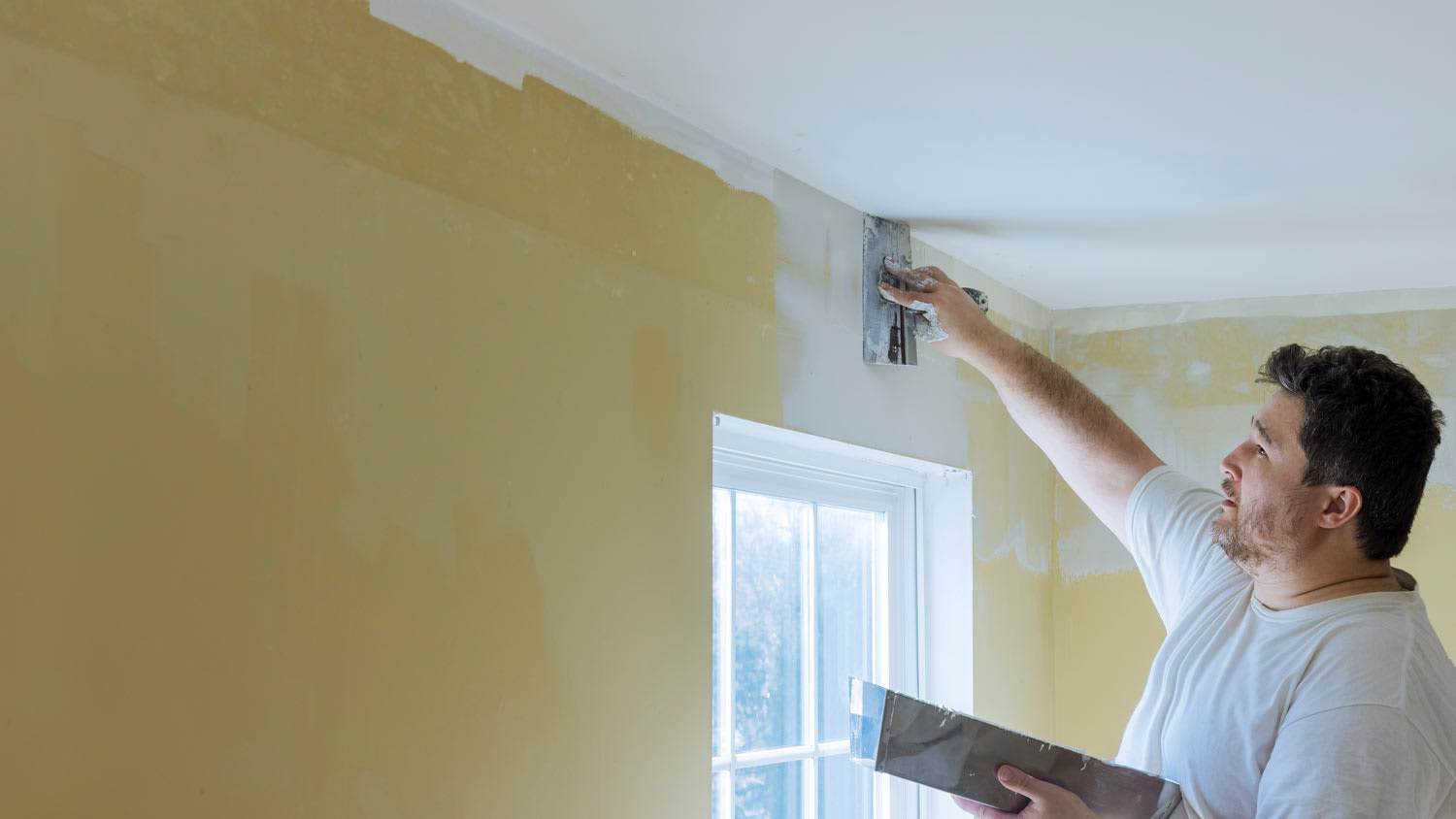
Can you put drywall over drywall to cover old, damaged or cracked plaster walls? Read our guide to determine if this is the right solution for your walls.