




Top-rated fire pit installation pros.

Get matched with top fire pit installation pros in Covington, KY

Enter your zip and get matched with up to 5 pros

Need a pro for your fire pit installation project in Covington, KY?

Select your specific project to find the pro for you.

TRUSTED BY COVINGTON, KY HOMEOWNERS

  • Average homeowner rating star icon4.4
    Average homeowner rating
  • Verified reviews icon344
    Verified fire pit installation services reviews

Find Fire pit installation pros in Covington

Avatar for Tri State Complete Home Repair and Maintenance
Tri State Complete Home Repair and Maintenance
4.6(
62
)
Firepit Assembly

Serving Covington, KY and surrounding areas

Approved

Super Service Award Winner

In business since 1996

Free estimates

Emergency services offered

"Had to replace an ancient Jenn-Air drop-in range with downdraft (installed in 1979) with a new LG duel fuel gas stove/electric oven range slide in. Knew it would take some work. Randy and Dan were great during the installation. Tim was very responsive."
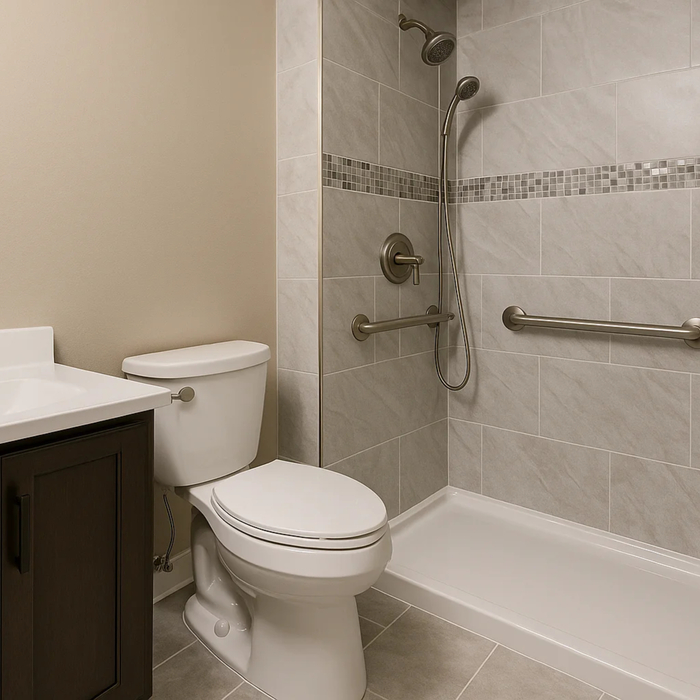
Remodeling - General Project
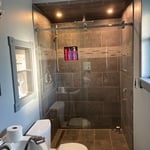
Before ☹️
Remodeling - General Project
After! !
Additional Photos

+5

12 neighbors recently requested a quote
Recommended by60%of homeowners
Fire Pit Installation questions, answered by experts

Yes, a hot or overheating outlet is a fire hazard and can cause a fire. An outlet becoming hot indicates an electrical problem, such as an overloaded circuit, loose connections, or a faulty component. The heat from these issues can ignite nearby flammable materials like curtains or furniture. If you notice an outlet is hot to the touch, turn off the power at the circuit breaker, unplug any connected devices, and consult a qualified electrician. If a fire does start, use a Class C fire extinguisher or baking soda to suppress it, or evacuate immediately and call the fire department.

Yes, it is possible. An electrical fire can break out if the compressor has inadequate ventilation. When it overheats but doesn't have a proper thermal cutout, this can cause the motor to short-circuit and catch fire. This risk is exacerbated if flammable materials, like dust and fallen leaves, are clogging the unit. The compressor overheating won't start a fire by itself, but poor maintenance and installation can increase the risk once it hits its breaking point and short-circuits.

You might be able to turn a normal door into a fire-rated door, but you’re better off purchasing one that meets all NFPA 80 standards. If you want to DIY a normal door into a fire door, you’ll need a self-adhesive intumescent seal, metal hinges, fire-resistant glazing, and a self-closing device, but you’re always better off buying a certified fire door.

Yes, you should seal and cap an unused chimney to protect it from damage. Sealing the structure helps prevent moisture damage, which can lead to issues like cracks, spalling, efflorescence, and damaged mortar joints. Capping the chimney is also crucial to prevent blockages, damage from invasive critters, and downdrafts, while still allowing for proper air ventilation to manage moisture. For the best results, consult a chimney professional to select the right type of chimney or flue cap for your home. It's also wise to continue with annual chimney inspections to maintain the structure's integrity.

A chimney liner isn’t required for an outdoor fireplace; you don’t technically need one if the masonry chimney uses the proper dimensions and is built to code. However, a chimney liner does serve as a protective coating for the flue. Adding a liner could improve performance, safety, and durability. In short, while not necessary, it wouldn’t hurt.

The Covington, KY homeowners’ guide to fire pit installation services

From average costs to expert advice, get all the answers you need to get your job done.