







Top-rated asphalt driveway pros.

Get matched with top asphalt driveway pros in Rushsylvania, OH

Enter your zip and get matched with up to 5 pros

Need a pro for your asphalt driveway service project in Rushsylvania, OH?

Select your specific project to find the pro for you.

Find Asphalt driveway pros in Rushsylvania

Avatar for SH Construction
SH Construction
5.0(
10
)
Asphalt SealingAsphalt Paving - Repair or Patch

Serving Rushsylvania, OH and surrounding areas

Approved

In business since 2018

Free estimates

Emergency services offered

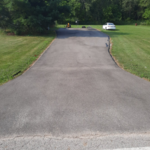
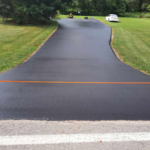
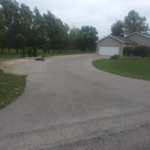
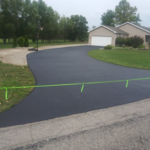
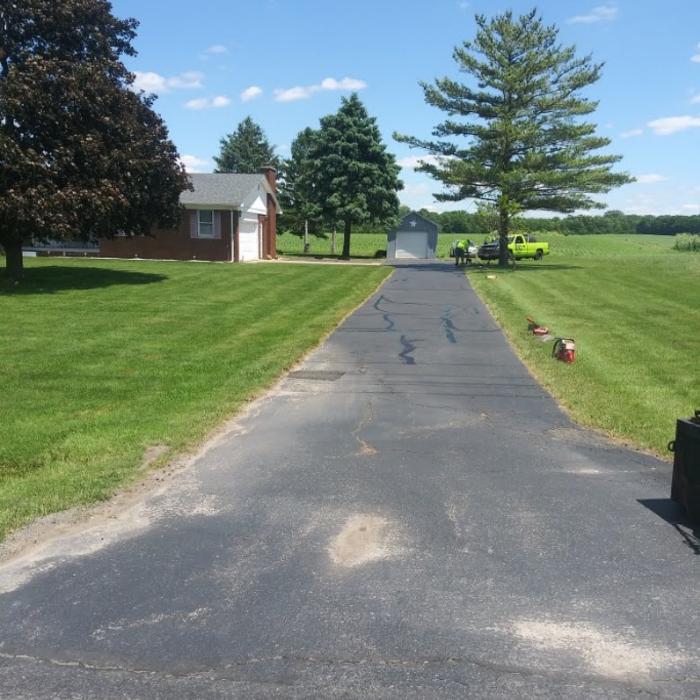
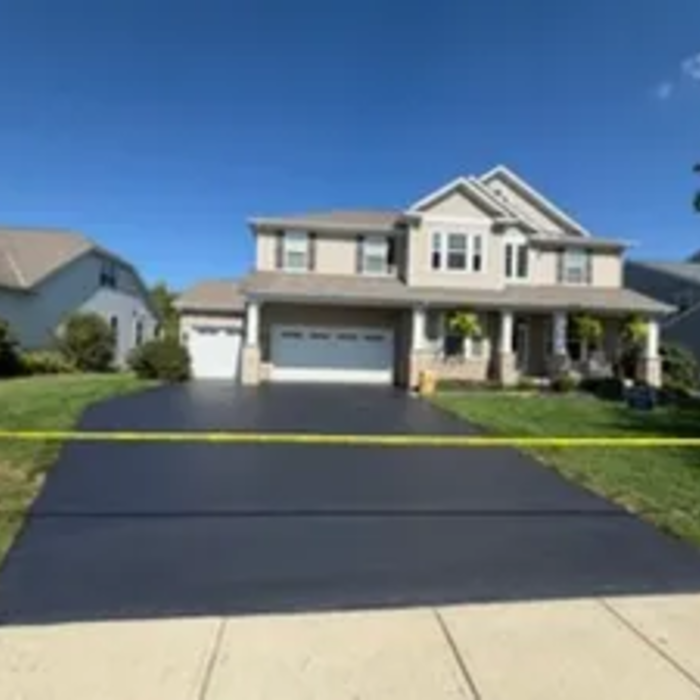
"I actually hired SH Construction for two projects. He tucked and pointed my chimneys and then I hired him to repair the asphalt and seal the driveway. The driveway was particularly challanging because it is long, steep, with no on street parking and is shared by three homes. Shawn worked with all of us to accomodate everyone's schedule. After the sealant was applied it rained non stop for over 12 hours washing much of the sealant off. Shawn and his crew came back out and applied another coat. I am extremely satisfied with the work completed and would hire Shawn again ."

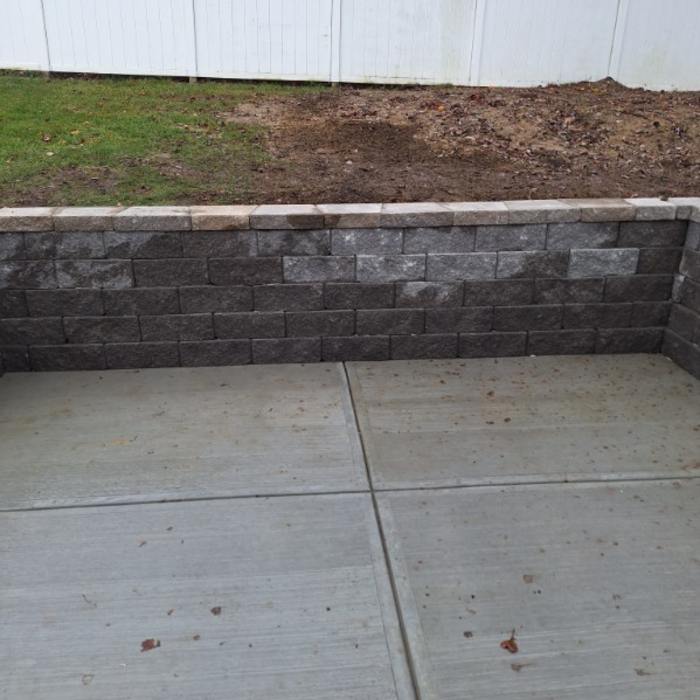
Stone on a addition
Stone on a addition
Stone on a addition
Stone on a addition
Stone on a addition

+11

9 neighbors recently requested a quote
...
Showing 1-10 of 83
Asphalt Driveways questions, answered by experts

New asphalt goes through two stages: drying and curing. Drying typically takes 24 to 72 hours, after which the surface is solid enough for light use like walking or careful driving. While you may be able to park on it after 72 hours, the surface is still soft and should be treated gently. Full curing is a much longer process, taking anywhere from 30 days to a full year for the asphalt to reach maximum strength. During this extended curing period, the asphalt is susceptible to damage from heavy vehicles, sharp objects, and high temperatures. Factors like weather, the specific asphalt mix, and application thickness all influence drying and curing times. For the most accurate timeline and to ensure the longevity of your new asphalt, it is always best to consult with your installation contractor for their specific recommendations.

Wet cutting is usually the preferred method. It controls dust, which helps protect your lungs and makes for a cleaner working environment. Plus, the water cools the blade, preventing overheating and prolonging its life while providing smoother, more precise cuts. The downside is the mess—water and asphalt sludge can be messy to clean. Dry cutting, though convenient if water isn’t available, creates a lot of dust, which can be harmful. This also increases the risk of blade damage due to overheating. So, if you have the option, wet cutting is the better method for most asphalt jobs.

Building a road on a slope requires careful planning and will normally require a drainage system underneath to prevent flooding and damage to the road over time. Your professional may lengthen your road to create switchbacks if the slope directly to your home is too steep, as there are regulations for maximum road slope. The drainage system will help prevent runoff from the higher side of the slope from damaging the asphalt or concrete. Keep in mind that building a road on a slope isn’t a good DIY project, as a lot can go wrong.

Recycled asphalt is a durable choice for a driveway, but doesn’t have the same appearance and low maintenance as standard asphalt. For long driveways in rural communities, recycled asphalt can make a great choice. Recycled asphalt is 20% to 30% percent less expensive than standard asphalt and is better for the environment. 

Asphalt is not a type of concrete. While both are a common type of pavement, asphalt is composed of aggregates (like sand and gravel) and bitumen; concrete is a mixture of cement, aggregates, and water. Here are some of the key differences between asphalt and concrete driveways.

The Rushsylvania, OH homeowners’ guide to asphalt driveway services

From average costs to expert advice, get all the answers you need to get your job done.