

Top-rated lead testing and removal specialists.

Get matched with top lead testing and removal specialists in Rome, OH

Enter your zip and get matched with up to 5 pros

Need a pro for your lead testing and removal project in Rome, OH?

Select your specific project to find the pro for you.

Find Lead testing and removal specialists in Rome

First Choice Home & Building Inspections LLC
4.9(
66
)
Toxic Lead - AbatementToxic Lead - Testing

Serving Rome, OH and surrounding areas

In business since 1999

Emergency services offered

Credit card accepted

"Marty was very thorough and very helpful. We are first time home buyers and he laid everything out for us so we understood exactly where we stood and what would be needed. He was very professional and and answered all of our questions! I definitely recommend him!"

I am on every job
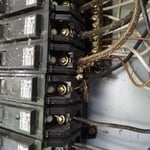
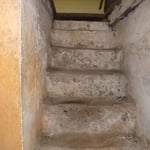
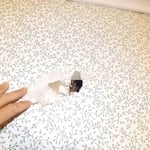
Additional Photos
Additional Photos
Additional Photos
Recommended by98%of homeowners

Avatar for CIERRA ENVIRONMENTAL
CIERRA ENVIRONMENTAL
4.4(
7
)
Toxic Lead - AbatementToxic Lead - Testing

Serving Rome, OH and surrounding areas

In business since 2001

Emergency services offered

Credit card accepted

"They were very responsive to our needs and were able to schedule the work quickly.  Their price was comparable to the other estimates we had gotten.  They completed the job in two days and everything looked great afterwards.
"
Recommended by100%of homeowners
Easy Lead Free
New to Angi
Toxic Lead - Testing

Serving Rome, OH and surrounding areas

Credit card accepted

Easy Lead Free LLC is an Ohio-licensed lead risk assessment company serving Cleveland and surrounding areas. We specialize in lead risk assessments and clearance testing required for Cleveland rental registration and lead-safe certification. Our services are designed for landlords and property managers who need compliant testing, clear guidance, and fast turnaround to avoid delays, re-inspections, or penalties. We focus exclusively on rental compliance testing — not real estate inspections — to help units pass the first time.

Lead Testing and Removal questions, answered by experts

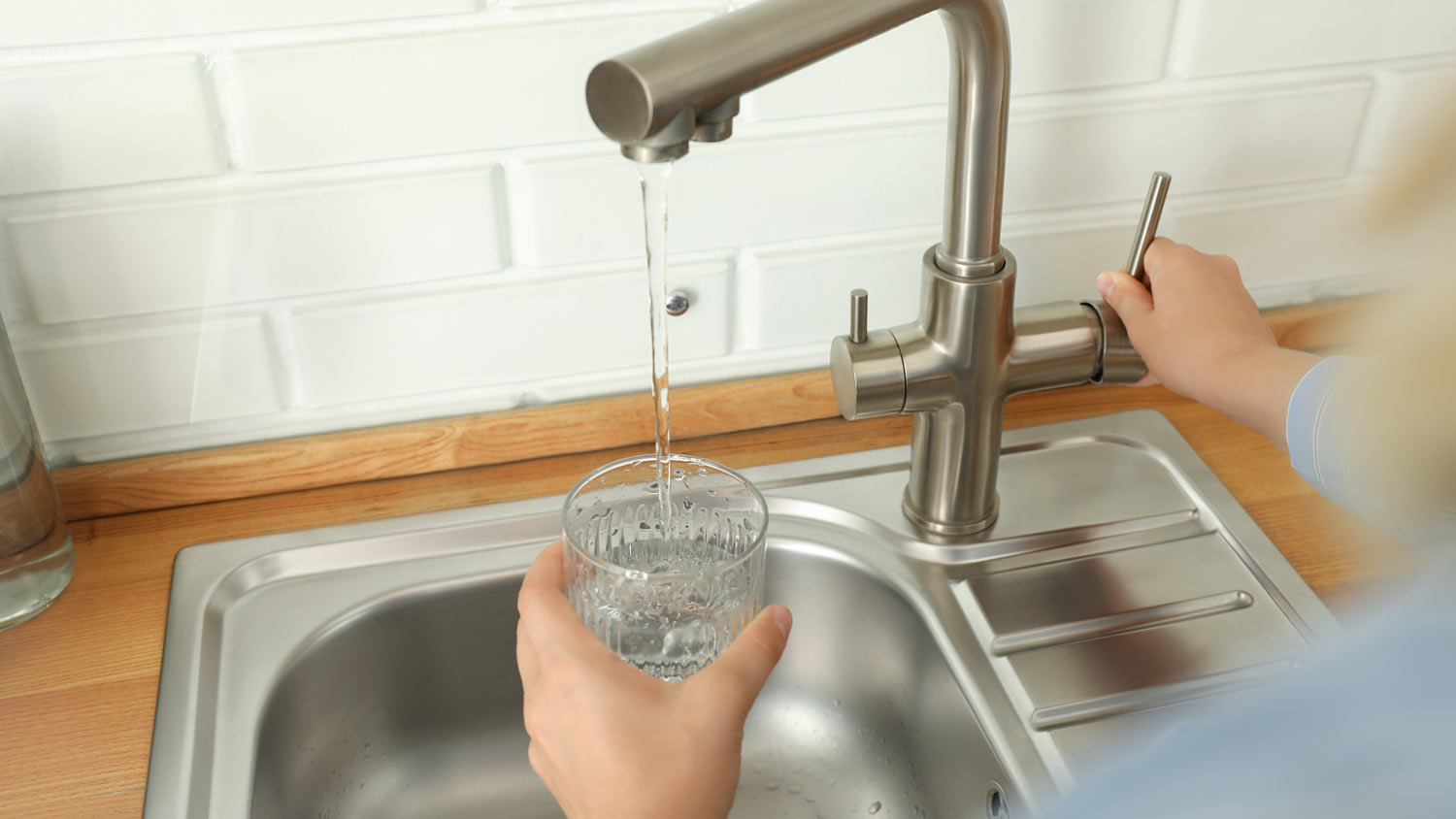
Several different measurements may be used to determine the amount of lead in water. The most common unit of measurement is micrograms per liter (µg/L), which is the same as parts per billion. Another measurement is milligrams per liter (mg/L), which is the same as parts per million.

Determining if your water main contains lead involves a few steps. First, check the age of your property, as homes built before the 1980s might have lead pipes. Contact your water utility company for information on your service line material. Then, you can hire a professional plumber to conduct an inspection or use a lead testing kit to analyze water from the main line.

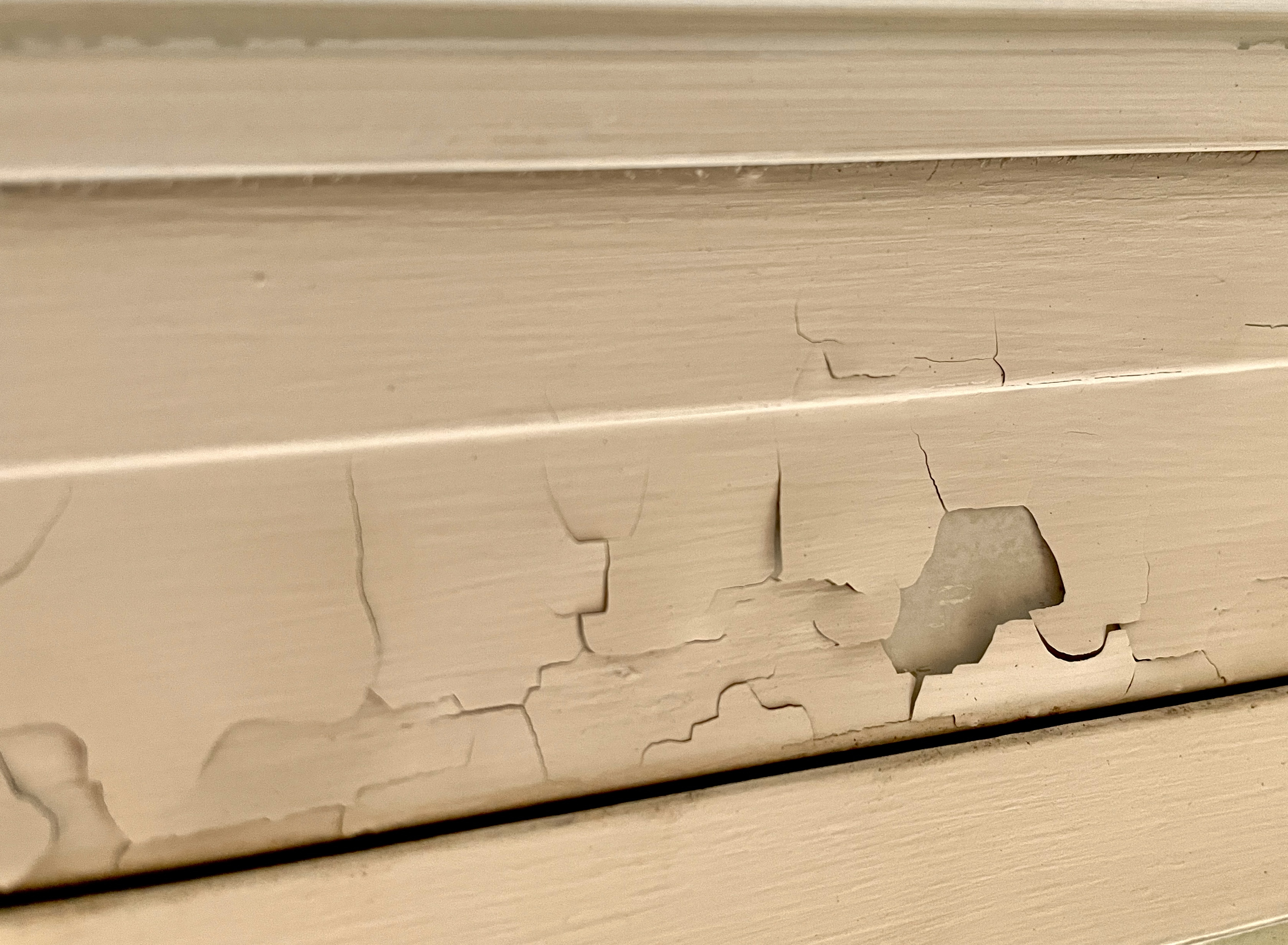
You do not have to remove lead paint if the surface is not chipping or peeling or if there are no pregnant people or children under the age of six who live in or regularly visit your home. Lead paint is a particular risk for young children whose brains and bodies are not fully developed. Experts strongly recommend that you call a pro to remove lead paint if it’s peeling or flaking, no matter who lives in the home. You can experience lead poisoning by breathing in or ingesting just a small amount of it.

Exterior paint contains a higher level of VOCs, which can be dangerous if you’re exposed to it for a long period of time. The good news is that paint’s toxicity reduces significantly once fully dried and cured. Do not keep open exterior paint cans in your home, basement, or garage, exposing your household to harmful chemicals over time.

According to the Environmental Protection Agency (EPA), hazardous waste is generally classified into four main categories:

1. Characteristic Wastes: These exhibit at least one of four hazardous traits: ignitability (flammable, like gasoline), corrosivity (can rust or decompose materials, like car batteries), reactivity (unstable and can explode, like aerosol cans), or toxicity (harmful when ingested, like lead-based paint).

2. Listed Wastes: These are specific wastes from manufacturing and industrial processes that the EPA has officially designated as hazardous. They include byproducts from processes that use solvents, pesticides, and other chemicals.

3. Universal Wastes: These are commonly generated hazardous items that are subject to streamlined regulations. Examples include batteries, pesticides, mercury-containing equipment (e.g., bulbs), and some lamps.

4. Mixed Wastes: This category includes waste that contains both hazardous and radioactive components, making it subject to regulation by both the EPA and the Nuclear Regulatory Commission.

The Rome, OH homeowners’ guide to lead testing and removal services

From average costs to expert advice, get all the answers you need to get your job done.