Top-rated drywall pros.

Best drywall pros near Newport, OH

Enter your zip and get matched with up to 5 pros

Need a pro for your drywall service project in Newport, OH?

Select your specific project to find the pro for you.

Top-Rated Drywall pros in Newport - Updated Nov 2026

Carreno Drywall, LLC
4.0(
1
)
Drywall - InstallDrywall - Install - For BusinessDrywall - Repair

Serving Newport, OH and surrounding areas

Approved

In business since 2018

Free estimates

Credit card accepted

We are a locally owned and operated company that values honesty and integrity, and stands behind our work. With over 10 years of experience, we specialize in both interior and exterior residential painting projects. We pride ourselves on the quality of our work as well as our commitment to outstanding results. We look forward to building long-term relationships with our clients and guarantee your satisfaction.

Response time9 hrs
Recommended by100%of homeowners
Morales Painting & Cleaning, LLC
New to Angi
Drywall - InstallDrywall - Repair

Serving Newport, OH and surrounding areas

Approved

In business since 2020

Free estimates

Offers commercial services

At Morales Painting & Cleaning LLC, excellence is our commitment. We take pride in delivering top tier painting services, specializing in both interior and exterior projects. From flawless drywall installations to meticulous repairs, power washing, and transformative kitchen and bath remodeling, we offer a comprehensive suite of services tailored to your needs. Whether it's a one-time deep clean or recurring maintenance, our dedication to exceeding expectations shines through in every task we undertake. Your satisfaction is our priority, and we guarantee every client leaves with a smile. At Morales Painting & Cleaning LLC, we're not just a company – we're your partners in achieving excellence.

...
Showing 1-10 of 141
Drywall FAQs, answered by experts

A common cause of separation between a wall and the ceiling is truss lift—this can happen to the ceiling of rooms directly under the attic when the seasons change and wood building materials dry out, shrink, and shift. Roof trusses often dry out at different speeds, and if the bottom pieces dry out faster than the top pieces, they can shrink and pull the attached drywall away from ceilings and walls, causing cracks. Fortunately, truss lift is only a cosmetic problem, not a structural problem, and you can fix it by separating the ceiling drywall from the roof trusses, and patching the cracks.

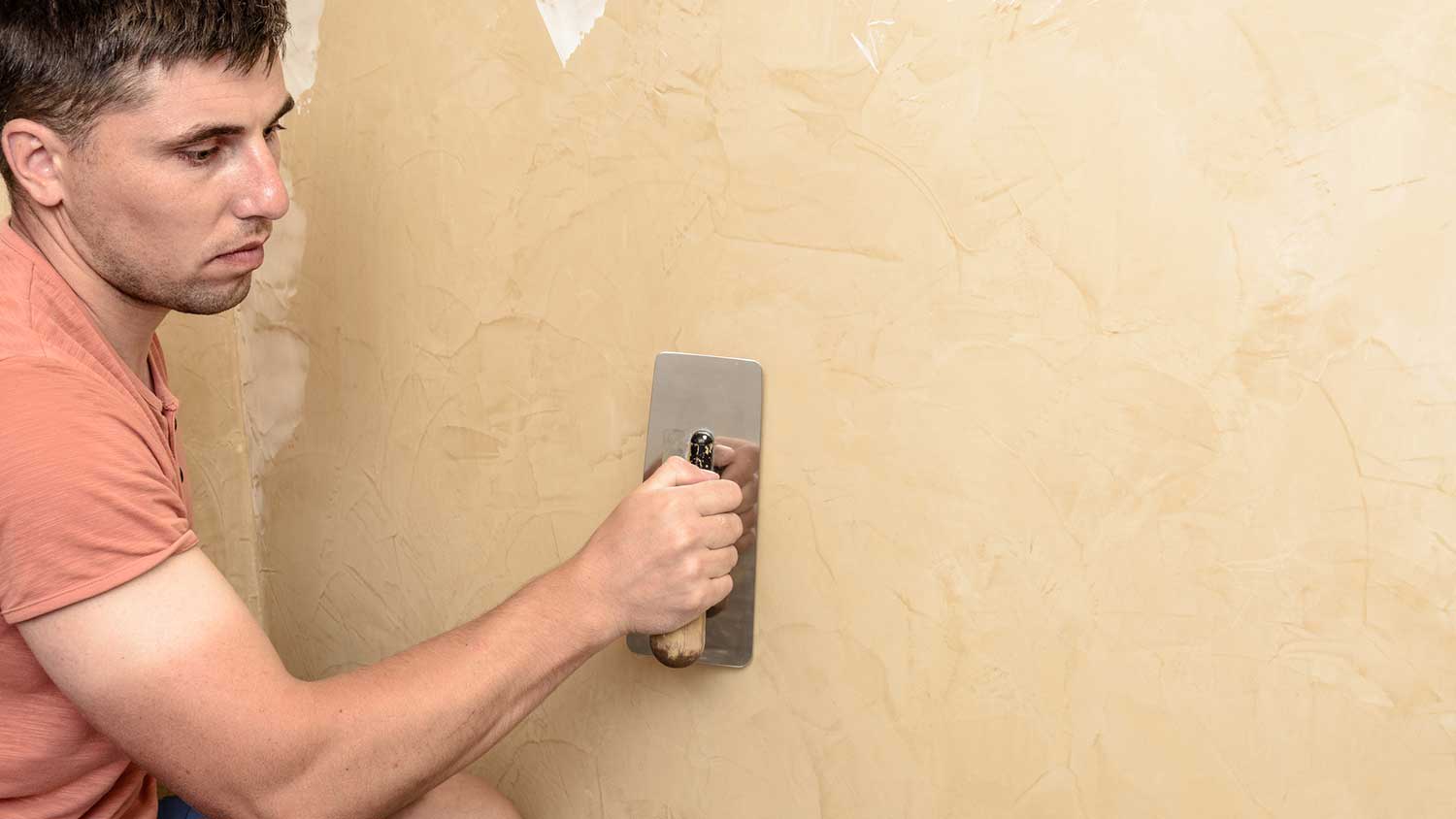
Plastering and skimming are two different techniques for finishing walls. Plastering involves applying a thick layer of a plaster mixture—typically containing gypsum, lime, cement, sand, and water—to create a new surface. This process often requires multiple coats and is used for repairing significant damage or creating decorative textures. Skimming, on the other hand, is a technique that involves applying a thin layer of drywall compound or joint compound over an existing surface to smooth it out, covering minor imperfections, small cracks, or uneven textures for a polished look. Plastering is generally more costly and labor-intensive than skimming. Although some people use the terms interchangeably, they refer to different processes and materials.

Although they have similar applications, spackle and joint compound are not the same. Their primary differences lie in their composition, consistency, and ideal use cases.

Spackle is composed of gypsum and binding agents, making it thicker than joint compound. It dries quickly and is easy to sand, which makes it ideal for small wall repair projects like filling nail holes or patching minor damage.

Joint compound, also known as drywall mud, consists of limestone and gypsum. It is primarily used for large-scale projects, such as taping and finishing the seams on newly installed drywall. It tends to shrink more than spackle and can be more difficult to spread.

While both products can be used to fill small depressions and cracks, spackle cannot replace joint compound for taping and mudding new drywall. Conversely, you can often use joint compound for small patching jobs typically done with spackle.

The time it takes for thinset to dry is determined by your room’s ambient temperature and humidity levels. Assuming the average humidity level is around 40% with an average temperature of 70 degrees Fahrenheit, thinset can dry within 48 hours. Lower temperatures and higher humidity can extend the curing process beyond 72 hours, while high heat and zero humidity can shorten the curing process. However, thinset can crack if it dries too fast.

Drywall tape is made of paper, while drywall mesh is made of fiberglass or metal. Drywall mesh patches are suitable for repairing small holes in drywall, while paper drywall tape holds a crease better for corners. You need joint compound to adhere drywall tape to the wall, while mesh patches may be self-adhesive.

The Newport, OH homeowners’ guide to drywall services

From average costs to expert advice, get all the answers you need to get your job done.