







Top-rated excavation pros.

Best excavation pros near Jackson, OH

Enter your zip and get matched with up to 5 pros

Need a pro for your excavation project in Jackson, OH?

Select your specific project to find the pro for you.

Top-Rated Excavation pros in Jackson - Updated Nov 2026

Avatar for Tong's Total Site Services
Tong's Total Site Services
5.0(
3
)
Building Site - Preparation and ClearingExcavation - Major Grading or ReslopingBuilding Site - Preparation and Clearing - For Business+1 more

Serving Jackson, OH and surrounding areas

Approved

In business since 2022

Free estimates

Customers say: Quick response

"It was a wonderful experience he did fantastic work he actually did more than I expected a very nice person I had full confidence in him and he did not disappoint me. I will definitely keep him in my phonebook and he will be who I call when I need more work done without a doubt or hesitation."
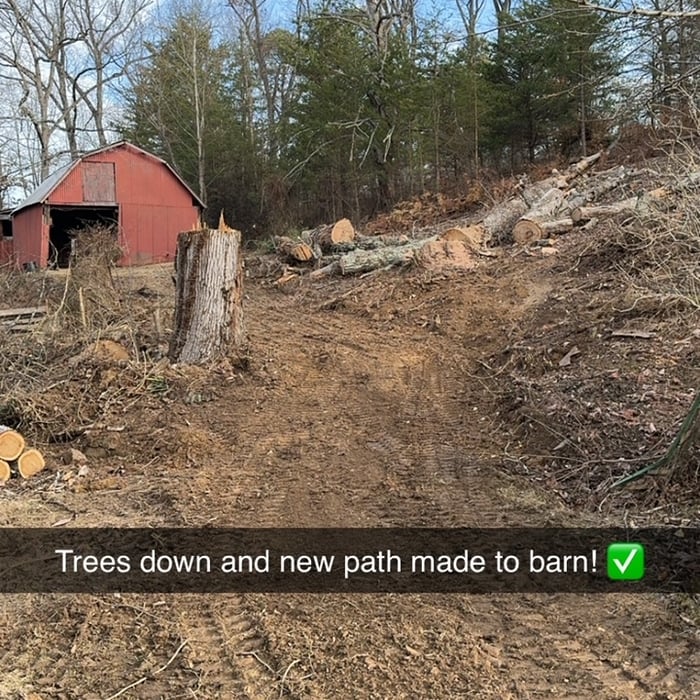
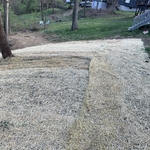
Regraded rear of yard
Response time2 days
3 neighbors recently requested a quote
Recommended by100%of homeowners

Ohio Valley Land Clearing
New to Angi
Building Site - Preparation and ClearingBuilding Site - Preparation and Clearing - For BusinessLandscape - Minor Grading or Resloping

Serving Jackson, OH and surrounding areas

Approved

Small jobs welcome

Offers commercial services

I specialize in land clearing and minor excavation, helping property owners turn raw land into usable space. With a strong work ethic and attention to detail, I handle each job efficiently and safely. From clearing brush to light excavation, I take pride in doing the job right and leaving customers with results they can rely on.

...
Showing 1-10 of 81
Excavating FAQs, answered by experts

You can bury underground electrical wire six inches deep—but only if you use a rigid metal electrical conduit. For rigid, non-metallic conduits, bury the wire at least 12 inches deep. If using an underground feeder cable rated for direct burial, you'll need to place it at least 18 inches deep, as it has no conduit for extra protection.

Septic drain lines (or leach lines) are typically buried between 18 and 36 inches underground, and should be at least 6 inches below the surface. These pipes are perforated and surrounded by filtering materials like sand or gravel. Burying the lines at this depth helps minimize odors and allows bacteria and other biological processes in the soil to effectively treat the wastewater. Burying lines too close to the surface can cause issues unless the soil is very compact and stable.

A joint utility trench, or joint trench, is a long, buried ditch on a property that contains two or more utility lines rather than running the lines in multiple trenches. Some utilities, like gas and electric or electric and communication lines, are better suited to joint trenching, while others, like water and sewer, are not allowed to be in the same trench.

Maintain open communication and address issues as they arise, ensuring contract terms cover potential delays.

Yes. A metal detector is one of the quickest and easiest ways to find your septic tank. However, metal detectors can be too expensive (costing upward of $300 in some cases), and not everyone has a metal detector just lying around. If that’s the case for you, you can also take a long metal rod and poke it into the ground at regular intervals until you hit something—likely your septic tank lid.

The Jackson, OH homeowners’ guide to excavation services

From average costs to expert advice, get all the answers you need to get your job done.