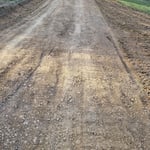
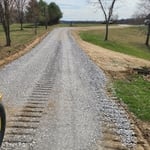
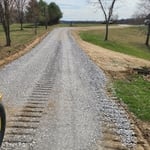
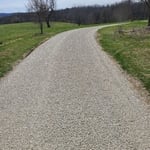
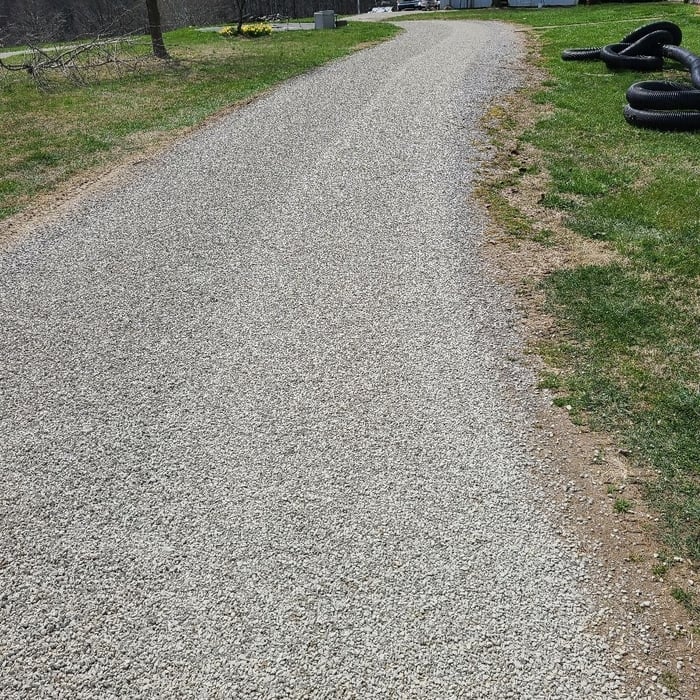
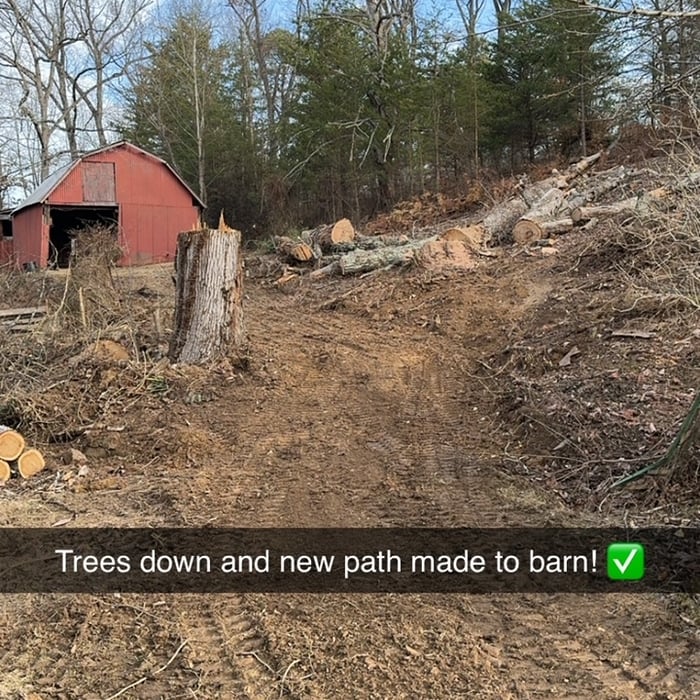
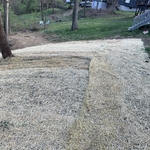
"Everything went great! Professional team, great knowledge, easy to work with, explained what happening and why. Work looked great afterwards and driveway functioning better than expected after recent heavy rains."
"I really appreciate Brady’s availability and knowledge. He is my son, but this was no small job and his education and knowledge have been such a massive asset to getting my new home underway. He and his partners have shown up in a big way and done an incredible job with minimal notice."
"Matt and the guys at K&M contractors was quick to come and give me a quote on my wet basement. We agreed on a what products and everything we needed to get my basement dry and back to the ejoyable space."
"It was a wonderful experience he did fantastic work he actually did more than I expected a very nice person I had full confidence in him and he did not disappoint me. I will definitely keep him in my phonebook and he will be who I call when I need more work done without a doubt or hesitation."
"Kenny was excellent!! I hired him to remove the bathroom demolition debris. He was very nice and polite. He responded right away to my request. The price was the best I got from different companies. He got the job done in few minutes and left the area complete clean. I 100% recommend him"
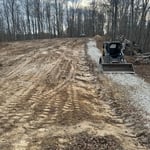
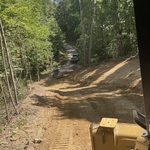
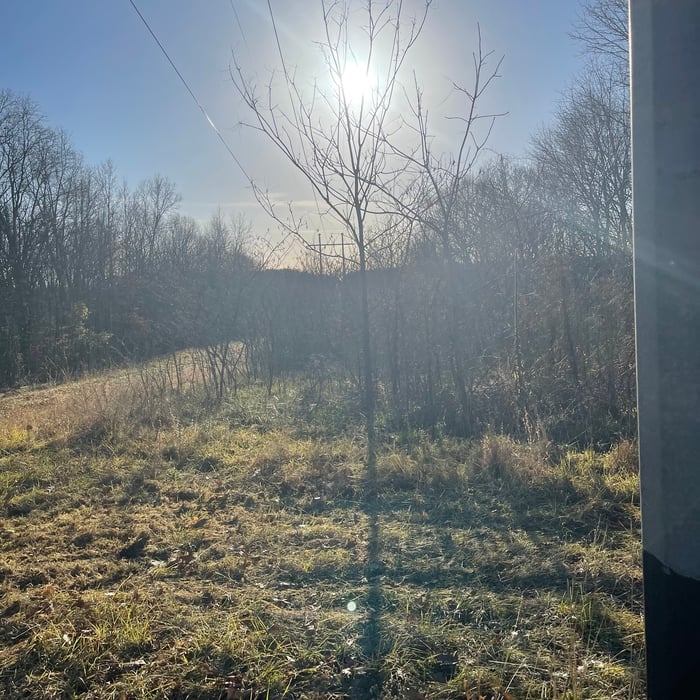
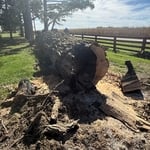
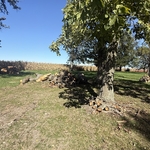
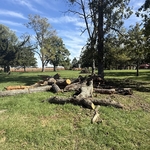
I specialize in land clearing and minor excavation, helping property owners turn raw land into usable space. With a strong work ethic and attention to detail, I handle each job efficiently and safely. From clearing brush to light excavation, I take pride in doing the job right and leaving customers with results they can rely on.
Concrete blocks are the cheapest way to base a shed. However, the space in between allows critters to go under, burrow, and even damage your shed’s frame. For a more pest-proof option, consider building a shed base with gravel or paver stones. Both options are fairly affordable and easy enough for a DIY project. For gravel, you can build a wooden frame to contain the loose material.
Water lines are buried at various depths, depending on the type of line. For example, most sprinkler lines are buried between four and 12 inches underground. On the other hand, water mains usually sit between one and 3 feet below ground. However, they can go even deeper in cold climates to prevent freezing.
Completion time ranges from days to weeks, contingent on project size, environmental conditions, and regulatory approvals.
There are many ways to cut through roots when digging, especially if your trencher doesn’t seem to be removing the roots. First, use a shovel to expose the roots. Then, use gardening shears to clear out smaller roots or a reciprocating saw to remove larger plant roots. If you plan on keeping the plant, avoid cutting any roots over 2 inches thick.
The best method for digging a trench depends on the scope of the project. For a short, shallow trench (less than 2 feet deep) in light, soft soil, digging by hand may be sufficient. However, digging by hand is labor-intensive, so consider the effort required. A machine trencher is the better option for longer trenches (over 100 feet), deeper ones, or when dealing with difficult soil conditions, such as rocky or hard ground, or obstructions like tree roots. A machine can save significant time and energy in these situations.
The Minford, OH homeowners’ guide to excavation services
From average costs to expert advice, get all the answers you need to get your job done.
Excavation costs $1,500 to $6,300 for most residential projects—but it depends on factors like the size of the area. This guide will help you plan a budget.
You can't have an in-ground pool without digging into the ground. How much does pool excavation cost, and can you take it on yourself? Our guide explains.
Picking the right pro can make or break your project. Learn how to hire an excavation pro with the qualifications and skillset to do the job efficiently.