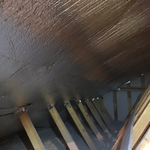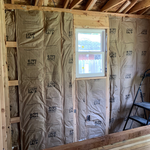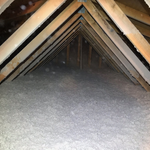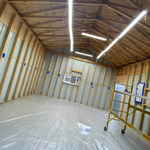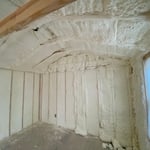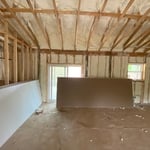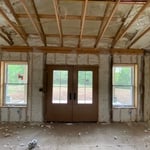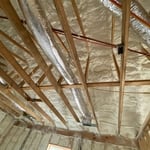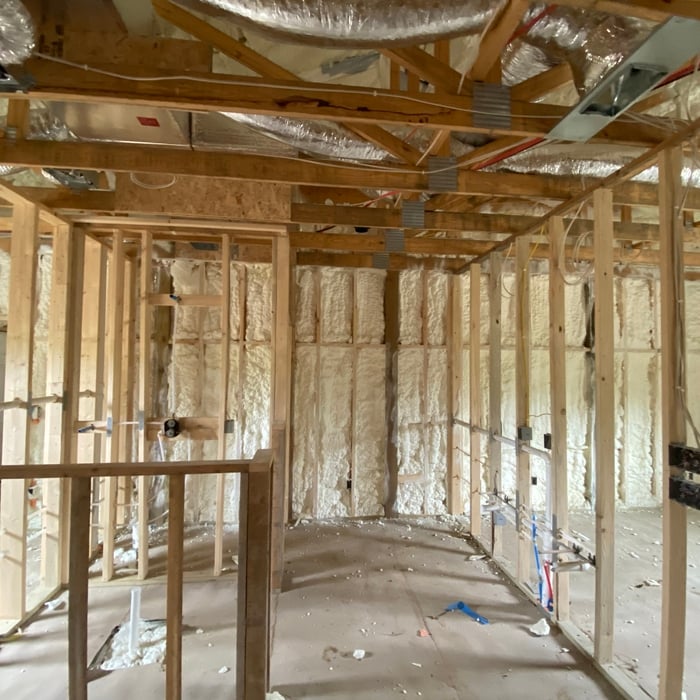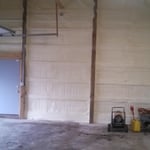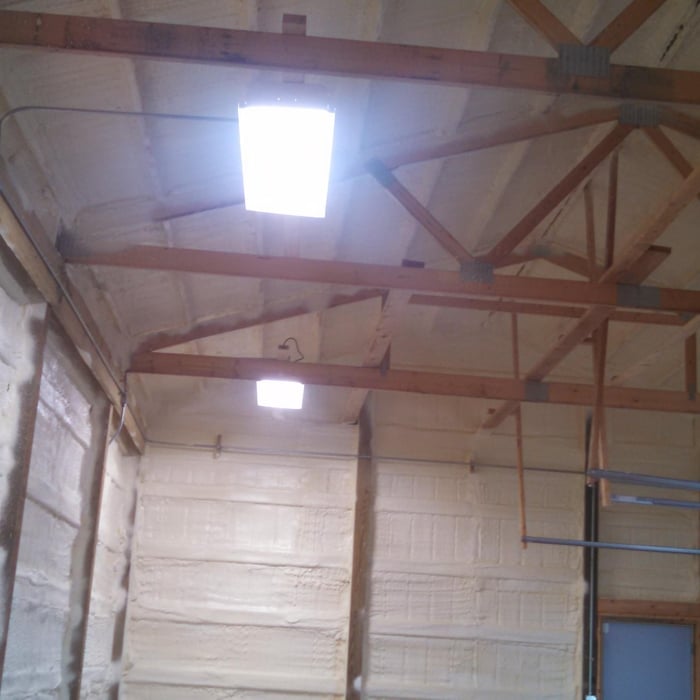








"Excellent, from start to finish. The company contacted me within moments of my request. Explained everything, quoted me a price and set up a day/time that worked with my schedule. The insulation crew were friendly and professional. I paid when the job was done, shown pics of before and after. When they left you wouldn't even know they were there. No mess at all. Would recommend this company!!!!"
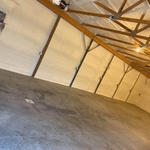
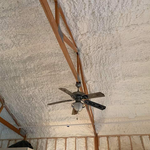
"they did an excellent job spray foaming my outside walls. my utility bills have dropped significantly and they do a good job with cleanup. going to have them sprayfoam my crawlspace soon. highly recommend them and also at a great price."
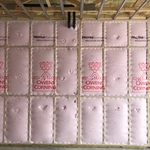
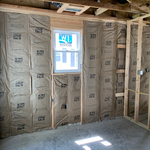
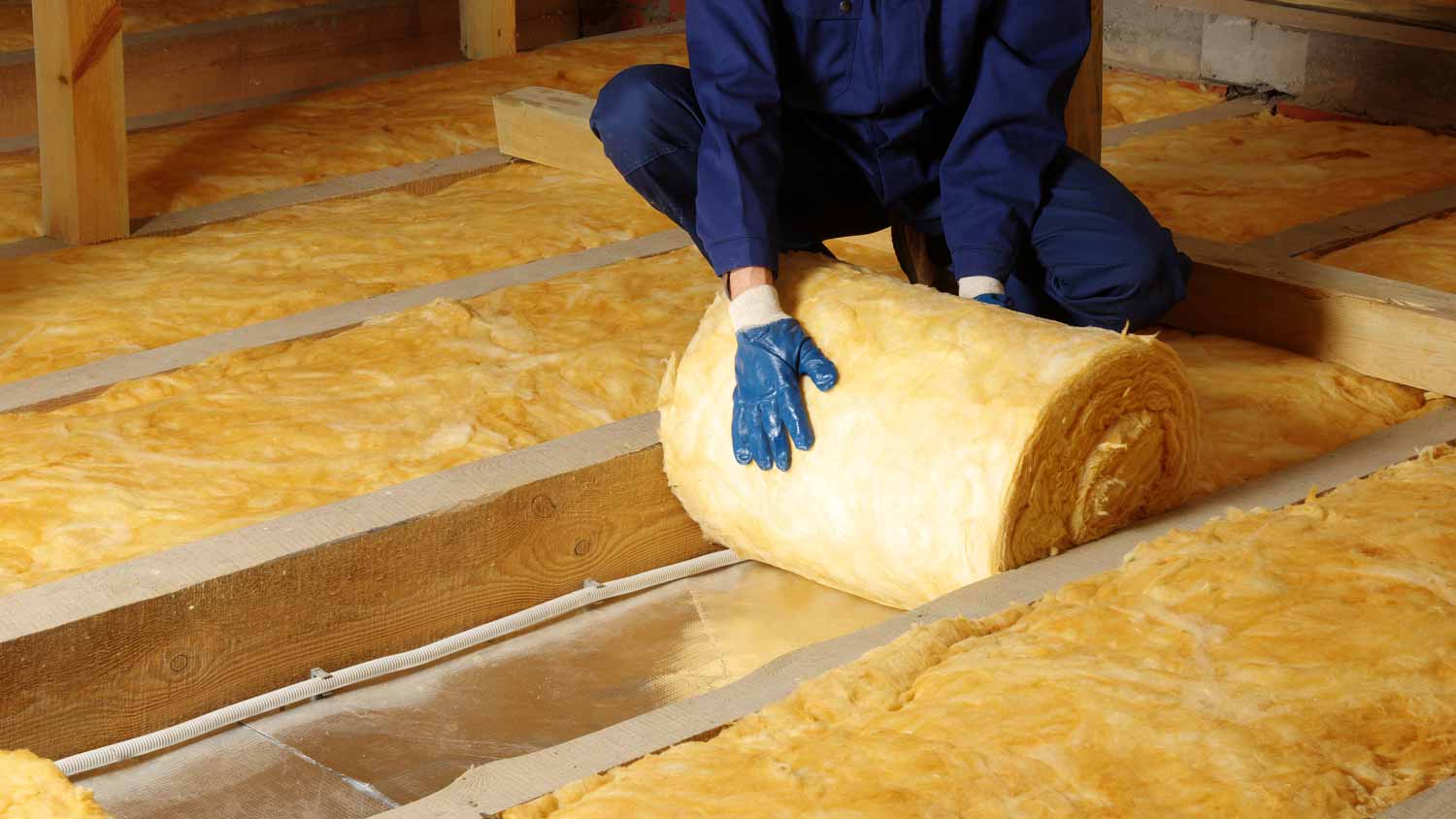
"John the project manager was VERY helpful and knowledgeable in getting things lined up for my basement batt insulation project, the guys did an excellent job and it was complete in less that 2 days."
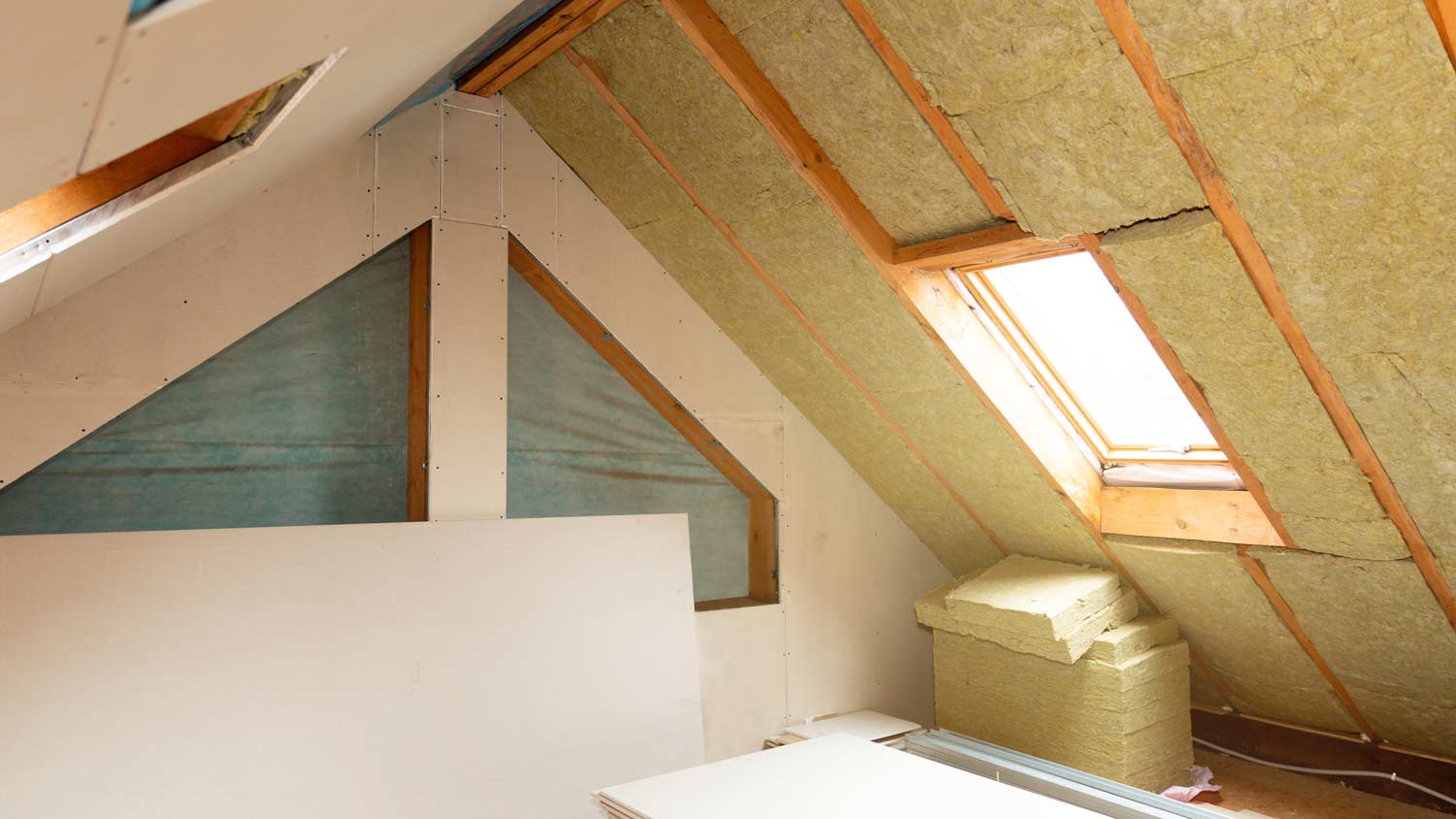
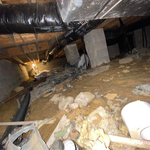
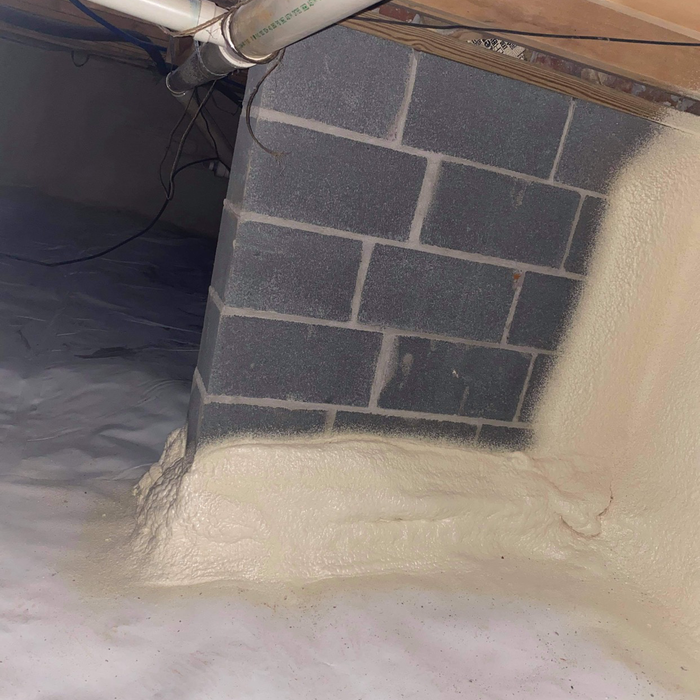
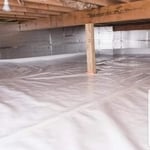
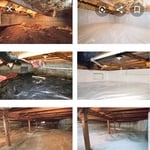
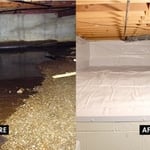
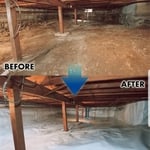
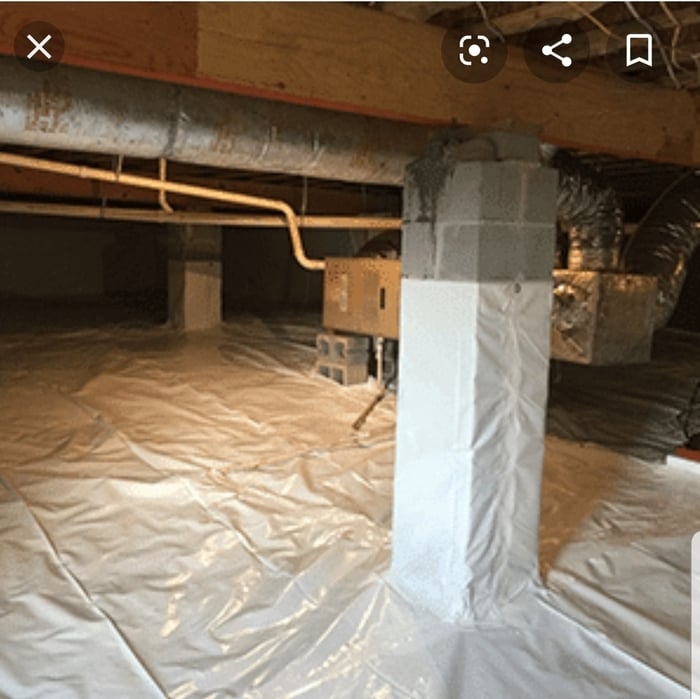
Are you tired of looking at a damp and dirty crawlspace, do you have cold floors do you want to be able to use your crawlspace, well you can with a crawlspace encapsulation and spray foam insulation, we use a waterproof vapor barrier on the wall and floor drainage mat also cover with a waterproof liner we spray foam top of floor boards to help keep air from coming in ,when we are done you will have a clean and dry useable crawlspace, check us out on www.drycrawls.com or call for more details
"I love American Shield. I love American Shield. I love them. We have 2 homes; this home is 30 years old, our home in California is twenty years old and we have used them in both places. A, number 1, plus, plus!"
Yes, insulating your pipes can reduce plumbing noises because it dampens vibrations and reduces the transmission of sound, making your home a quieter place. So if you've ever been annoyed by the sounds of water rushing through your pipes or the clanging noises when someone turns on the faucet, insulation can help.
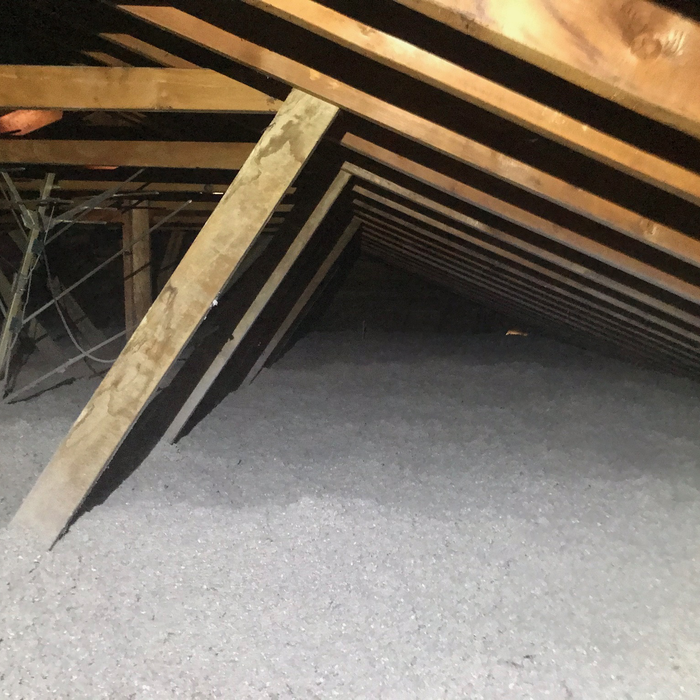
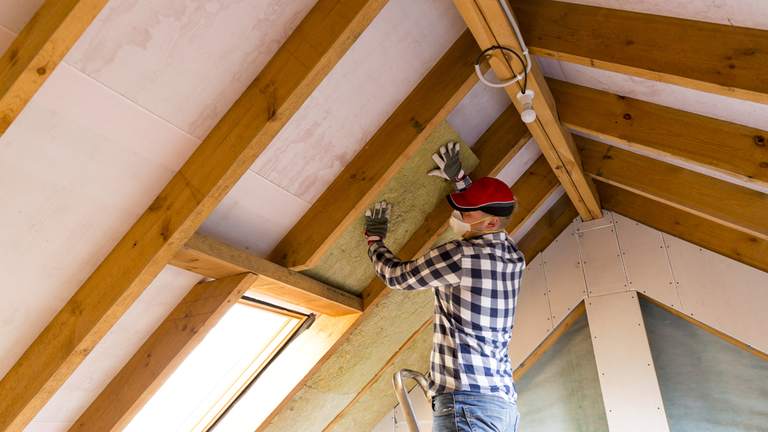
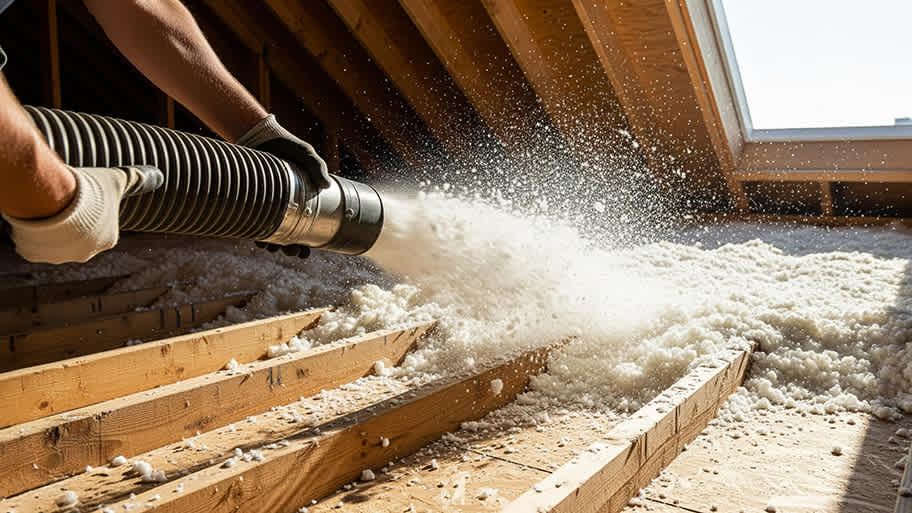
Your home's location, budget, and the type of insulation you’re using are just a few of the factors that can help you choose the right insulation. For example, blown-in insulation is typically used in attic spaces, while batts and rolls are ideal for floors and walls. Blown-in insulation is usually a good option if you're adding more insulation to an area that already has some, but not enough.
Structural insulated panels and rigid foam boards have the highest R-value of any insulation that contractors commonly use, with R-values reaching up to around 8.0. These types of insulation are best in extremely cold climates, but they’re generally preferred for new construction, as they can be challenging to retrofit. Blown-in and loose fill insulation provide the next best insulative value, provided the installation is done properly. It’s important to choose an insulation type that meets your needs based on climate, as maximizing R-value may not always be financially worthwhile if you live in a moderate climate.
Insulation can be made of cellulose, fiberglass, polyurethane, polystyrene, or mineral wool. Radiant barriers are often made of aluminum or other similarly reflective materials, but they will need to be paired with something else because they don’t provide heating benefits. Cellulose is among the most eco-friendly options and may be recycled when it’s past its shelf-life, whereas polyurethane and polystyrene both emit harmful compounds and will need to be handled with care during installation.
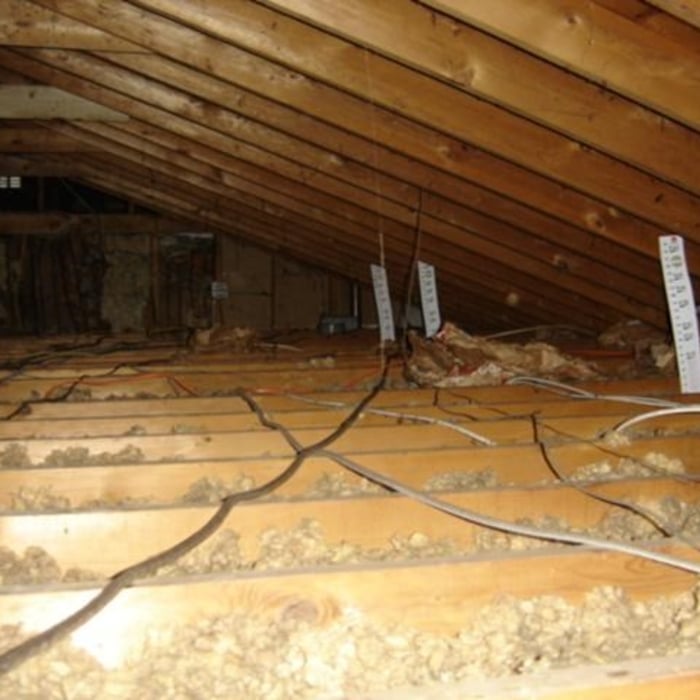
Whether you should remove old insulation before blowing in new insulation depends on your particular situation. Fiberglass insulation attracts insects and mold over time, so if it has been decades since your last insulation upgrade, consider removing the old materials before placing the new ones. However, most types resist mold, insects, and mildew, so once you get the go-ahead from your contractor that your space is free from all three, feel free to install the new insulation directly on top of the pre-existing materials.
The Hillsboro, OH homeowners’ guide to insulation services
From average costs to expert advice, get all the answers you need to get your job done.
Learn how to decide if your home needs dryer vent insulation to protect your vent from drafts and moisture that can make your energy usage less efficient. Poorly ventilated dryer vents also increase mold risks!
Removing old insulation may be necessary for upgrading your insulation. Keep reading to see if you should remove old insulation before adding new insulation.
If your home’s temperature is uncomfortable or your energy bill is spiking, you should check your insulation. We'll help you find out if you should replace it.