








Top-rated septic tank pros.

Get matched with top septic tank pros in Forest, OH

Enter your zip and get matched with up to 5 pros

Need a pro for your septic tank service project in Forest, OH?

Select your specific project to find the pro for you.

Find Septic tank pros in Forest

Elsasser Contracting
New to Angi
Septic System - Install or ReplaceSeptic System - Repair

Serving Forest, OH and surrounding areas

In business since 1988

Free estimates

Credit card accepted

With over 30 years of experience, Elsasser Contracting is your solution for all your excavation and septic needs. We take great pride in our extreme professionalism, timeliness and superior customer service on every job. We make sure to develop a lasting relationship so that the next time service is needed there will be no question on who to call. Satisfaction guaranteed!

Ricky Cordle
0.0(
2
)
Septic System - Install or ReplaceSeptic System - Repair

Serving Forest, OH and surrounding areas

In business since 2000

Cordle's Electric specializes in all types of electrical, HVAC and plumbing for commercial and residential clients. We have years of experience, so we know our business from faucet to outlet. We are detailed and quality oriented providing outstanding services to each and every project that we handle. Cordle's Electric provides superior service at a reasonable price, let us show you why consumers prefer our services above the rest. Call us today for scheduling and more information on our services.

Showing 1-10 of 13
Septic Tanks questions, answered by experts

Yes, shower water goes into the septic tank. Shower water is a type of greywater, and in fact, all water used in a home with a septic system—including water from sinks, toilets, the dishwasher, and the washing machine—drains into the tank. When shower water enters the tank, debris like soap and hair travels with it. The solid debris sinks to the bottom to become sludge, while soap residue joins the scum layer at the top. The remaining water is treated in the tank before moving to the drain field for further treatment and dispersal. It is important to avoid putting oil or harsh chemicals down any drain, as they can cause clogs or disrupt the beneficial bacteria required for proper wastewater management in the septic system.

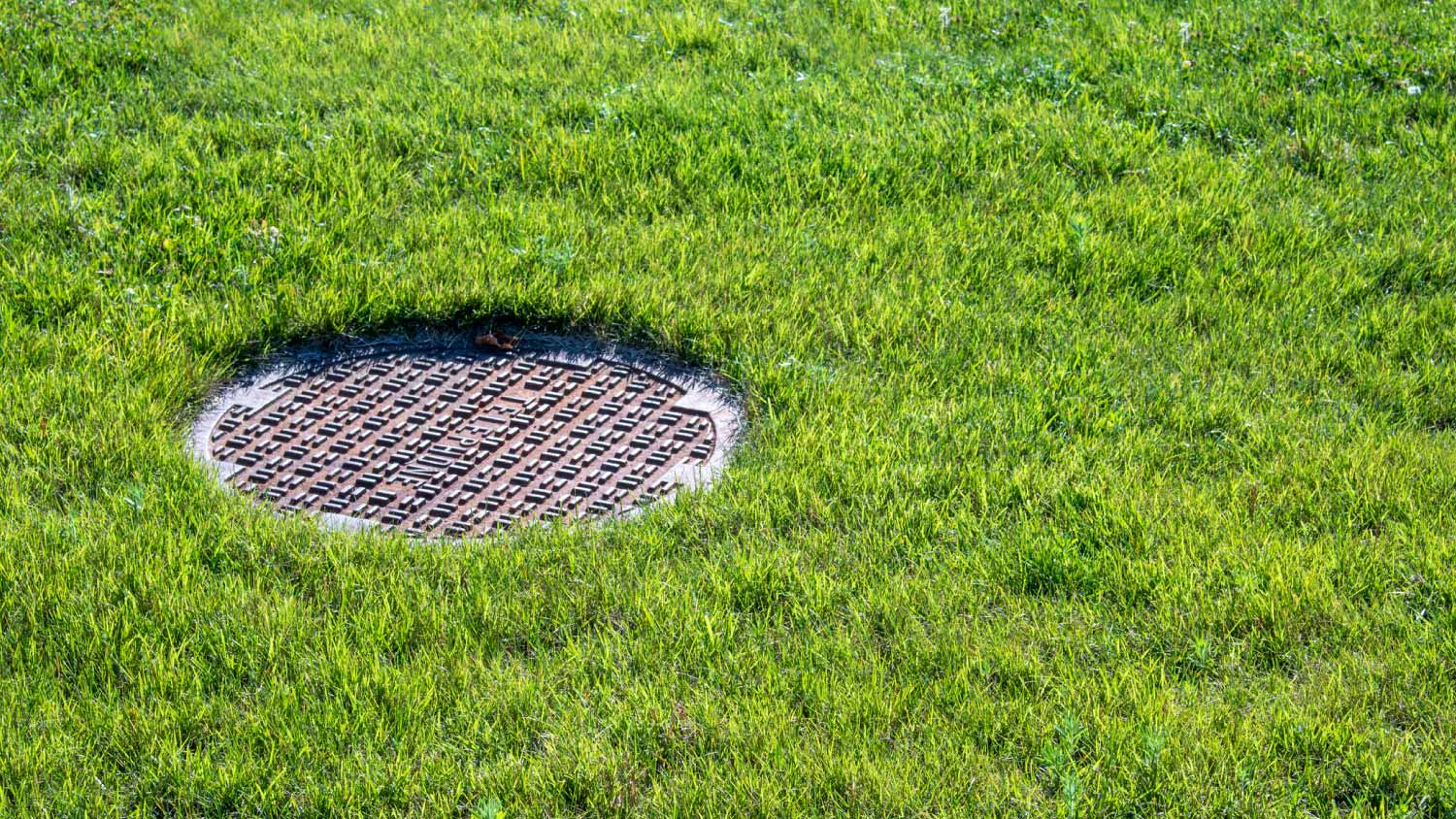
You can check your own septic tank, but take precautions. Locate the access lid, usually buried a few inches underground, and remove it carefully. Look for the sludge and scum levels, and if they’re high, that means pumping may be necessary. Check for odors, slow drains, or pooling water around the drain field, which could indicate issues. Never enter the tank, as toxic gases can be fatal. All of that being said, a professional inspection is safer and more thorough.

A septic system's lifespan typically ranges from 15 to 40 years, with a common average of 20 to 30 years. The longevity heavily depends on the tank's material, maintenance diligence, and usage habits. With proper care, lifespans can reach the upper end of this range.

Lifespan by Tank Material:

  • Concrete: 20 to 40 years

  • Plastic or Fiberglass: 30 to 40 years

  • Steel: 15 to 20 years

To maximize your system's lifespan, follow these maintenance best practices:

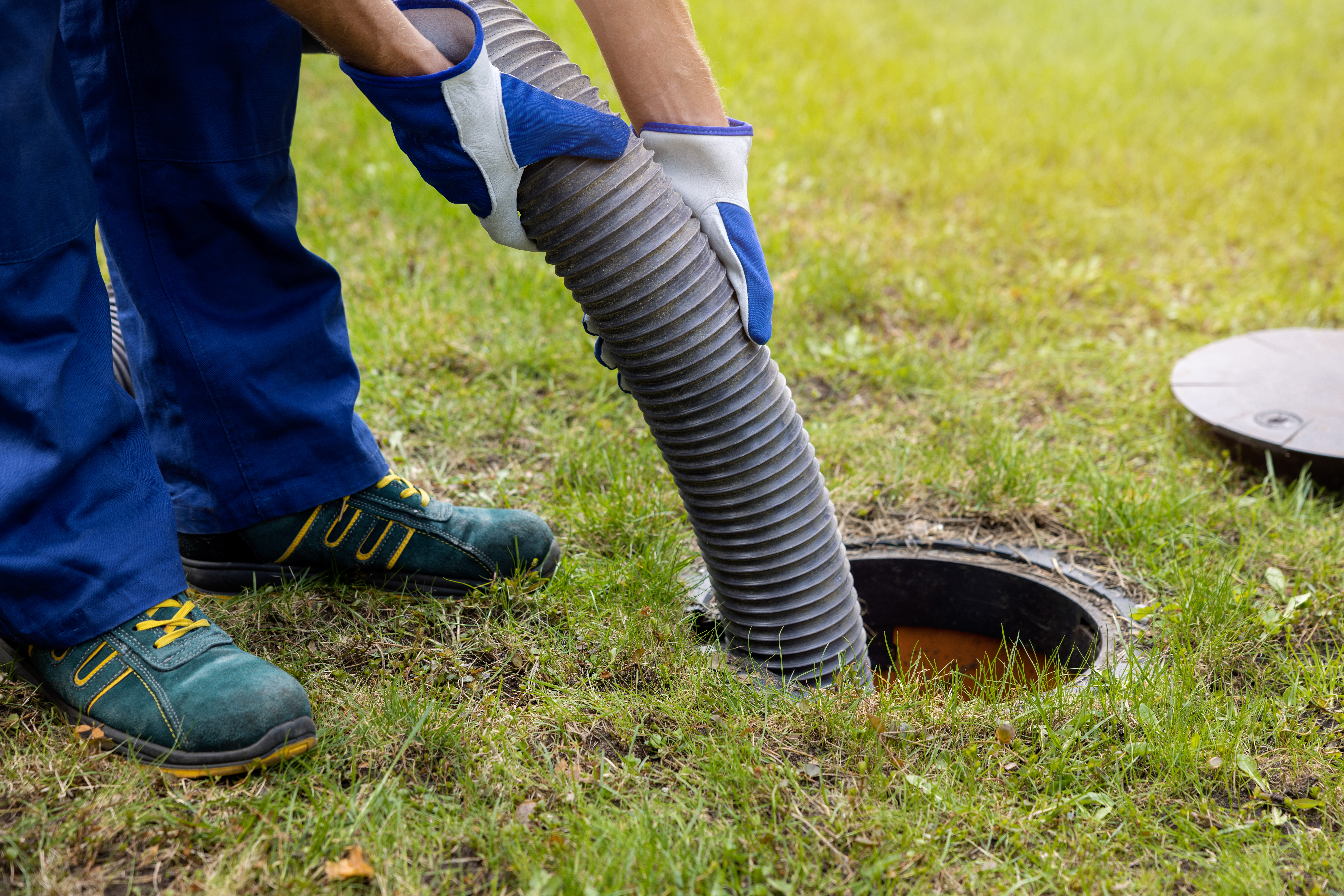
  • Regular Pumping and Inspections: Have the tank pumped every three to five years and schedule professional inspections regularly.

  • Mindful Usage: Only flush human waste and toilet paper. Avoid putting items like cat litter, paper towels, cigarette butts, fats, grease, oils, or coffee grounds down your drains.

  • Avoid Chemicals: Do not pour harsh chemicals into the system.

  • Water Conservation: Reduce the amount of wastewater your system has to process.

  • Protect the Drain Field: Avoid driving or building heavy structures over the drain field area.

Most deep wells can be expected to last somewhere between 30 and 50 years. This assumes that the well and all of its components are properly maintained on a regular basis. During this time, it is unlikely that modern deep wells will run dry over the course of their typical lifespan. That is one of the biggest benefits of digging a deeper well. 

If you notice that your well pump runs continuously, it’s important to take action quickly to avoid further damage. A few common issues may be to blame for a continuously running well pump, such as mechanical damage, a faulty pressure control switch, low water level, prime loss, and leaking pipes and fixtures.

The Forest, OH homeowners’ guide to septic tank services

From average costs to expert advice, get all the answers you need to get your job done.