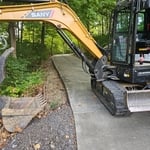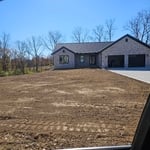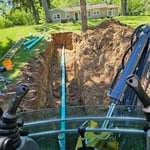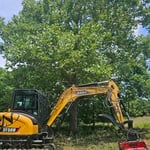
Top-rated excavation pros.

Best excavation pros near Clarksville, OH

Enter your zip and get matched with up to 5 pros

Need a pro for your excavation project in Clarksville, OH?

Select your specific project to find the pro for you.

TRUSTED BY CLARKSVILLE, OH HOMEOWNERS

  • Average homeowner rating star icon4.7
    Average homeowner rating
  • Verified reviews icon29
    Verified excavation services reviews

Top-Rated Excavation pros in Clarksville - Updated Nov 2026

Avatar for AJB Excavation, LLC
AJB Excavation, LLC
5.0(
8
)
Landscape - Minor Grading or ReslopingExcavation - Major Grading or Resloping

Serving Clarksville, OH and surrounding areas

Approved

In business since 2020

Free estimates

Credit card accepted

"Andrew and his crew were very professional, came out and got to work immediately. I saw immediate results before they even completed the project. Would definitely recommend him for all things excavating, drainage (french drain &, sump pit installation) and landscaping issues."
Home site development
Driveway build
Home site development

+23

Response time5 hrs
Response rate98%
12 neighbors recently requested a quote
Avatar for Dig One Excavating, LLC
Dig One Excavating, LLC
5.0(
6
)
Excavation - Major Grading or ReslopingExcavation - Major Grading or Resloping - For Business

Serving Clarksville, OH and surrounding areas

Approved

In business since 2024

Free estimates

Emergency services offered

"We got ourselves in a real problem with a driveway washing out and the area being overtaken with honeysuckle. Rob came in, developed a plan, prepared the site, schedule the material and got the job done! He worked so efficiently and the price was excellent. Rob really does great work and can be totally trusted to get the job done."
Response time1 day
Response rate96%
2 neighbors recently requested a quote
Avatar for Martin Services
Martin Services
5.0(
28
)
Landscape - Minor Grading or Resloping

Serving Clarksville, OH and surrounding areas

Approved

In business since 2021

Free estimates

Small jobs welcome

"I didn't speak with my delivery guy for roughly two weeks, still called night before to confirm delivery and was early. Sweet truck nice dump trailer. Five start service"
Preparing the ground
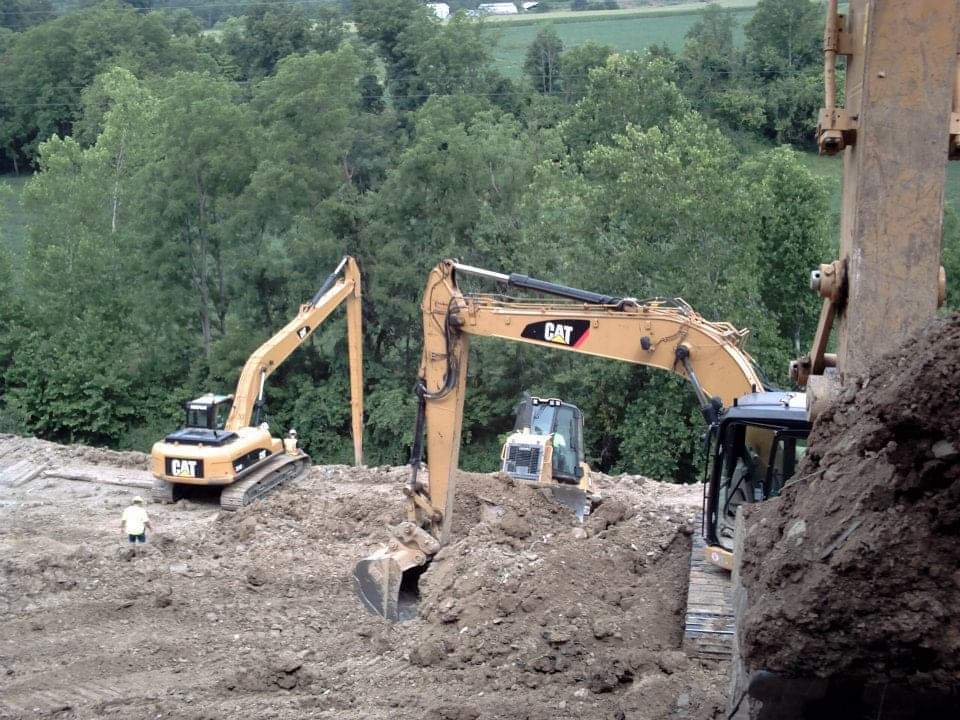
Some of our equipment
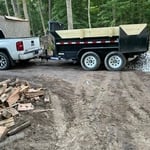
Delivering stone
Barn pad installation
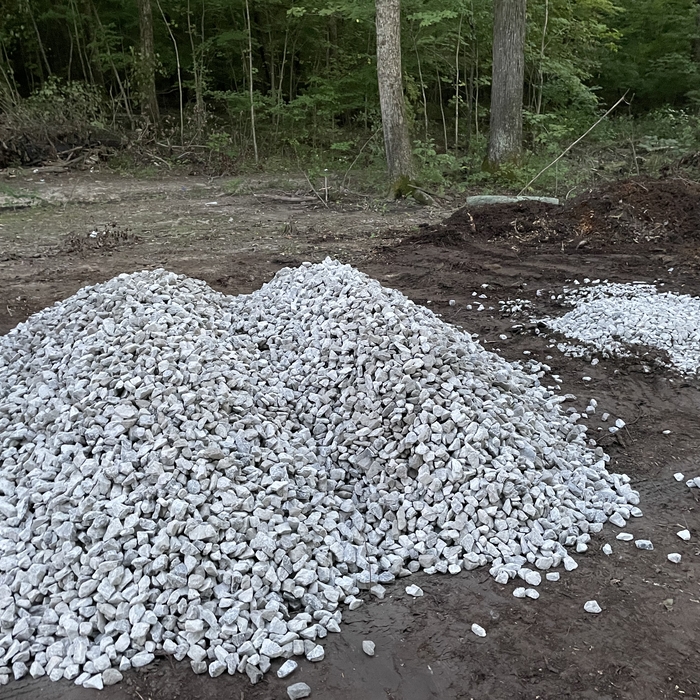
Adding #57 lime stone

+13

Response time1 day
1 neighbors recently requested a quote
Recommended by89%of homeowners
...
Showing 1-10 of 151
Excavating FAQs, answered by experts

There is no standard depth for burying a septic tank; they are typically buried anywhere from 4 inches to 4 feet underground. The final depth depends on several factors, including the depth of your main sewer line, the height of the bedrock, soil type, local regulations, and the property's landscape. If you plan to grow grass or plants over the tank, a depth of at least 4 to 6 inches is recommended. Deeper tanks can be more difficult to locate, but a septic professional can help find it for you.

A trench that is less than 5 feet deep often doesn't require a protective system. Most residential trenches will not go this deep (the typical residential drainage trench is just 18 inches deep). In the event that an excavator needs to dig more than 5 feet beneath the surface, a protective system is required unless the excavation is in entirely stable rock.

Your contractor should handle dust control during the project. It's best to speak with your contractor beforehand to check if they plan to cover your furniture, protect your vents, or use fans to redirect dust. Eliminating drywall dust is a particularly large challenge during construction, so always take this into account during your planning phase.

No, a ditch isn’t a trench. A ditch is an open, relatively shallow channel that’s carved out of the ground and used for drainage purposes. In contrast, a trench is a deeper excavation that’s entirely underground. Trenches have many uses, including gas lines, sewage systems, and electrical wiring. Unlike trenches, ditches don’t get filled back in with dirt after they’re dug.

As a general rule, the protected area should be about 1½ times as wide as the canopy of the tree’s leaves. This digging measurement can vary by tree species and the age of the tree. Of course, that can be a lot of fencing for larger trees, which is why our first step is about making difficult decisions on which trees to save.

The Clarksville, OH homeowners’ guide to excavation services

From average costs to expert advice, get all the answers you need to get your job done.