
Top-rated excavation pros.

Best excavation pros near Montgomery, OH

Enter your zip and get matched with up to 5 pros

Need a pro for your excavation project in Montgomery, OH?

Select your specific project to find the pro for you.

TRUSTED BY MONTGOMERY, OH HOMEOWNERS

  • Average homeowner rating star icon4.5
    Average homeowner rating
  • Verified reviews icon123
    Verified excavation services reviews

Top-Rated Excavation pros in Montgomery - Updated Nov 2026

Mario's Landscaping of Cincy, LLC
4.9(
76
)
Landscape - Minor Grading or Resloping

Serving Montgomery, OH and surrounding areas

Approved

In business since 1997

Free estimates

Customers say: True professional

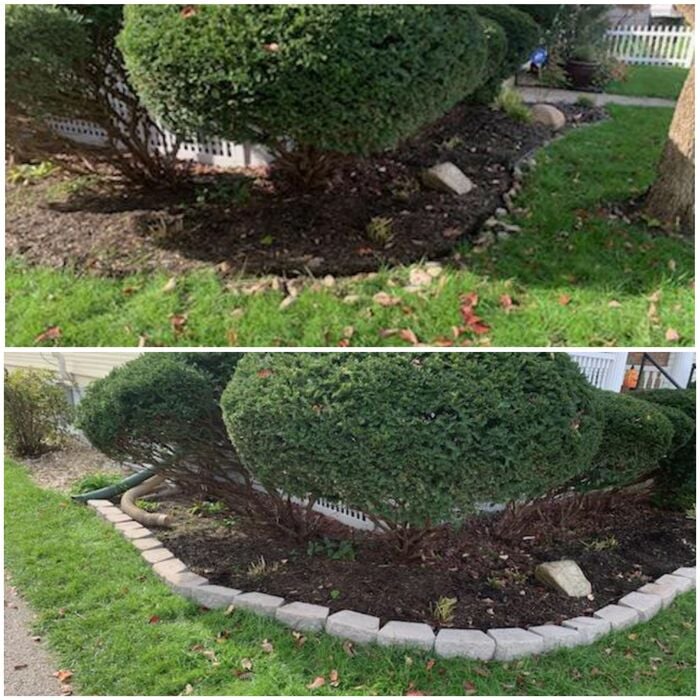
"Wonderful! They did a great job leveling the yard where the heavy equipment left deep gouges. They added topsoil, seed and straw. They also put our flower bed back together. They added mulch and put the stones back in place that were displaced. I would hire this company again in a heartbeat."
12 neighbors recently requested a quote
Recommended by95%of homeowners
...
Showing 1-10 of 328
Excavating FAQs, answered by experts

Because decomposed granite is a durable material, a crushed rock or gravel base is optional as long as the DG is properly installed and compacted. However, installing a base is a good idea because it will ensure proper drainage and stability and act as a weed suppressant (although you may still occasionally have to pull weeds). Installing an adequate base can also increase the durability of driveways and walkways. If you forego the paver base or gravel underneath, line the area with landscaping fabric to avoid weeds.

Excavation is priced in cubic yards, so you’ll need to find the volume of the area in order to calculate costs. Multiply the length, width, and proposed depth of your excavation site, then convert it into yards to get the volume. Multiply this figure by the price per cubic yard.

Most homeowners can measure by hand to get a rough estimate, even if it’s tedious. You may want to pull out a tape measure or use a string to help mark the area.

Sewer lines can be buried anywhere from 18 inches to 8 feet deep, with a common average depth between 18 and 30 inches. The exact depth depends on local factors like climate and soil type. In colder regions, pipes must be buried deeper (below the frost line) to prevent freezing, sometimes as deep as 8 feet. The digging depth can also impact the cost of sewer line replacement. To find the specific depth for your property, you can check the building plans for your system, which should be on file with your city or local sanitation department since permits are required for installation.

A trench that is less than 5 feet deep often doesn't require a protective system. Most residential trenches will not go this deep (the typical residential drainage trench is just 18 inches deep). In the event that an excavator needs to dig more than 5 feet beneath the surface, a protective system is required unless the excavation is in entirely stable rock.

Preparation involves site assessment, clearing debris, grading surfaces, and compacting soil to support stable construction.

The Montgomery, OH homeowners’ guide to excavation services

From average costs to expert advice, get all the answers you need to get your job done.