







Top-rated excavation pros.

Get matched with top excavation pros in Sabina, OH

Enter your zip and get matched with up to 5 pros

Need a pro for your excavation project in Sabina, OH?

Select your specific project to find the pro for you.

Find Excavation pros in Sabina

Avatar for Dig One Excavating
Dig One Excavating
5.0(
8
)
Building Site - Preparation and ClearingExcavation - Major Grading or ReslopingLandscape - Minor Grading or Resloping+2 more

Serving Sabina, OH and surrounding areas

Approved

Super Service Award Winner

In business since 2024

Free estimates

Emergency services offered

"He worked hard clearing out the honeysuckle and small trees in our backyard. He carried limbs to a dumpster. He pulled out the roots and graded the ground. He was very diligent in meeting my needs and making sure all my requests were met. I appreciate how he spent time walking the property with me to ensure I was satisfied."
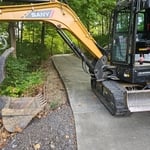
Edging driveway
Additional Photos
Additional Photos
Additional Photos
Additional Photos

+3

19 neighbors recently requested a quote
Recommended by100%of homeowners

Avatar for AJB Excavation, LLC
AJB Excavation, LLC
5.0(
8
)
Landscape - Minor Grading or ReslopingExcavation - Major Grading or Resloping

Serving Sabina, OH and surrounding areas

Approved

In business since 2020

Free estimates

Credit card accepted

"Andrew and his crew were very professional, came out and got to work immediately. I saw immediate results before they even completed the project. Would definitely recommend him for all things excavating, drainage (french drain &, sump pit installation) and landscaping issues."
Home site development
Driveway build
Home site development

+23

Response time5 hrs
Response rate98%
10 neighbors recently requested a quote
...
Showing 1-10 of 121
Excavating questions, answered by experts

Septic drain lines (or leach lines) are typically buried between 18 and 36 inches underground, and should be at least 6 inches below the surface. These pipes are perforated and surrounded by filtering materials like sand or gravel. Burying the lines at this depth helps minimize odors and allows bacteria and other biological processes in the soil to effectively treat the wastewater. Burying lines too close to the surface can cause issues unless the soil is very compact and stable.

Digging a bush up by the roots is the most natural DIY method for removing a bush stump. Start by identifying the shrub type and revealing its roots. Cut the shrub to its base and loosen the soil, ensuring no utility lines are nearby. Optionally, treat the base with herbicide, then dig around the roots and cut a circle around the shrub using various tools. Dig a trench, cut the base of the root ball, and finally fill the hole to prevent regrowth. This thorough process ensures complete removal without damaging surrounding areas.

The average cost of excavation is approximately $3,200, with typical projects ranging from $500 to $15,000. Depending on the contractor, you may be charged between $50 and $200 per cubic yard or an hourly rate of $40 to $180 for an excavation specialist. The total cost is influenced by several factors, including the project size, the amount of soil to be removed, and the soil's condition. Hard soil, tree roots, or excessive rocks and clay can increase the price, potentially adding $200 to $1,200 to the final bill. Other factors that can drive up costs include the presence of nearby structures that complicate the work or tight spaces that require manual excavation instead of heavy machinery.

There is no standard depth for burying a septic tank; they are typically buried anywhere from 4 inches to 4 feet underground. The final depth depends on several factors, including the depth of your main sewer line, the height of the bedrock, soil type, local regulations, and the property's landscape. If you plan to grow grass or plants over the tank, a depth of at least 4 to 6 inches is recommended. Deeper tanks can be more difficult to locate, but a septic professional can help find it for you.

Call 811 to locate and mark the gas lines at least three days before digging. In many areas, you can dig within 18 inches of the lines, though in some locations, the distance may be further. Check local regulations, as you may need a utility company representative onsite when digging. Document your calls to 811 and precautions taken to avoid gas lines. A homeowner can be held liable for hitting a gas line in some cases, but contacting the proper authorities and following all guidelines can offer protection.

The Sabina, OH homeowners’ guide to excavation services

From average costs to expert advice, get all the answers you need to get your job done.